THE ADVENTURE COLLECTIVE® · Independent discovery and booking for outdoor travel

Three days on Camiguin condense big geology and easy adventure: volcano viewpoints, mineral springs, and a shifting white sandbar that vanishes with the tide. This short island loop pairs mild hikes with boat trips and refreshing swims.
Three days on Camiguin condense big geology and easy adventure: volcano viewpoints, mineral springs, and a shifting white sandbar that vanishes with the tide. This short island loop pairs mild hikes with boat trips and refreshing swims.
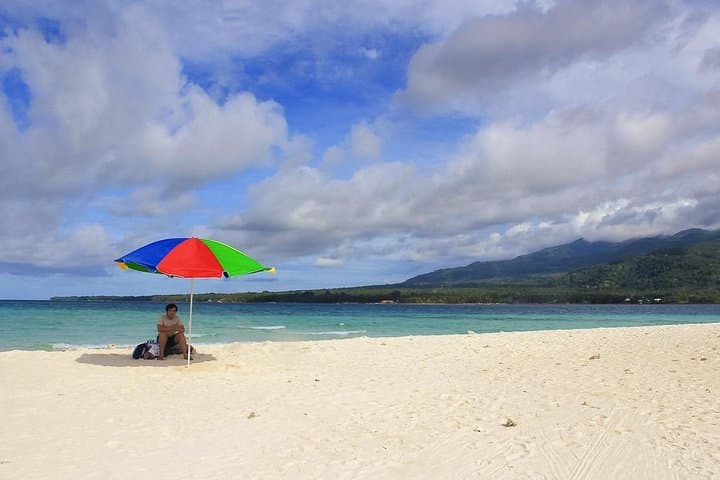
You step off a small outrigger and the sandbar spreads white beneath your feet, a living canvas that disappears with the high tide. Mount Hibok‑Hibok looms inland, a green cone that still remembers its eruptions, while fishermen thread narrow boats between coral heads and the sandbank called White Island.
Verified experiences and guided adventures in the surrounding area.
Operated by Rio Travel and Tour · Mambajao, Camiguin
You step off a small outrigger and the sandbar spreads white beneath your feet, a living canvas that disappears with the high tide. Mount Hibok‑Hibok looms inland, a green cone that still remembers its eruptions, while fishermen thread narrow boats between coral heads and the sandbank called White Island.
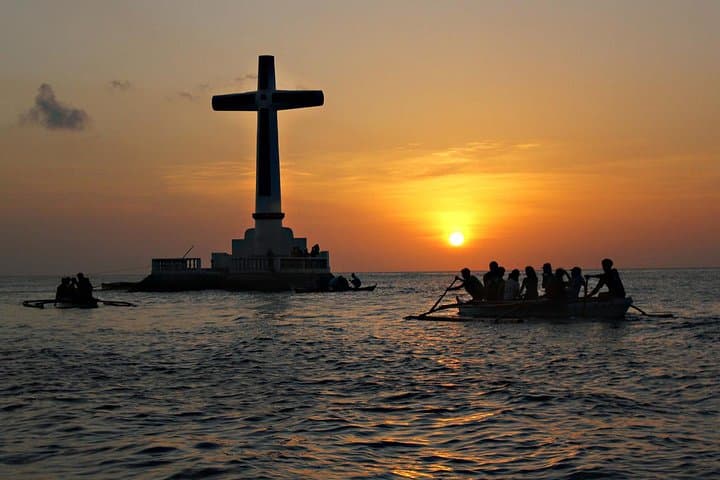
Geology here is loud and recent: seven volcanoes carved the island, the most prominent being Hibok‑Hibok (rising to just over 1,200 meters). Volcanic activity reshaped coastlines and submerged the old cemetery; today a giant cross marks the Sunken Cemetery, now a snorkeling site ringed by coral. Local culture folds faith into the land — Mount Vulcan’s steps are lined with Stations of the Cross and fill with pilgrims each Holy Week.
Over three days you’ll mix short, steep walks (Mount Vulcan’s stair climb with roughly 100–300 vertical meters of effort) with calm beach time, boat transfers (White Island a roughly 10–20 minute ride from Agoho when seas are calm), and dips in mineral springs and cold-water pools. Terrain shifts fast: fine sand, jagged lava rock, shaded forest tracks, and paved lanes between villages. Expect tropical heat, sudden rain squalls, and strong sun reflecting off white sand.
Practical edge: plan the White Island visit around low tide and morning calm seas; carry cash for small vendors; wear closed-toe shoes for volcanic trails and reef-safe sunscreen for snorkeling; allow travel time to Balbagon port (regular ferries connect to Jagna/Bohol and to Mindanao gateways). With basic fitness and sun-smart routines, this short island loop feels accessible and richly varied.
moderate.
2–3 days.
Suitable for travelers with basic fitness; expect short steep stair climbs, standing boat transfers, and walking on sand and uneven lava rock.
Most visitors fly into Laguindingan (near Cagayan de Oro) then take a 2–3 hour land transfer and a short ferry, or travel via ferries from Bohol (Jagna) to Balbagon port on Camiguin.
Yes when sea conditions are calm; the sandbar is exposed at low tide and reached by short boat rides — operators monitor tides and won’t go out in rough seas.
High season and weekends can fill hotels; book ahead if you have tight dates, though small guesthouses often accept walk-ins off-peak.
Yes — it’s a popular shallow snorkeling spot marked by a large cross; visibility varies with tide and weather, so mornings are usually best.
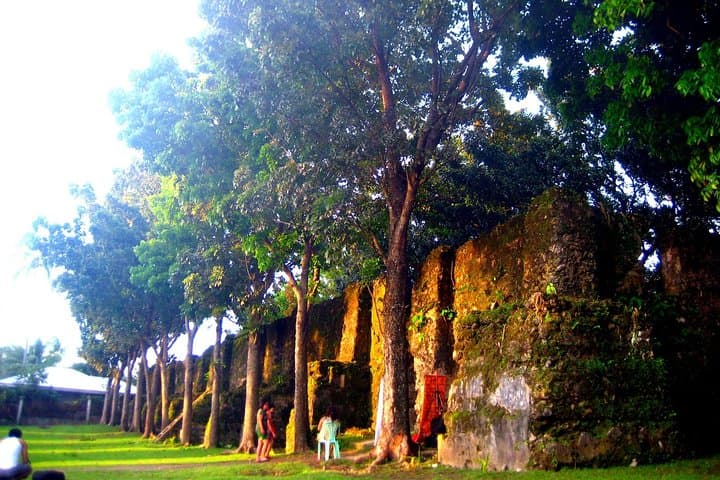
Volcanic eruptions in the 19th and 20th centuries reshaped settlements and sank the old cemetery; surviving ruins like the Old Spanish Church recall those upheavals.
Tourism pressures and reef damage are concerns; support local operators who limit visitor numbers, use reef‑safe products, and follow no‑touch snorkeling etiquette.
Rio Travel and Tour operates guided outdoor trips and adventures with an emphasis on safety, stewardship, and memorable experiences.
You step off a small outrigger and the sandbar spreads white beneath your feet, a living canvas that disappears with the high tide. Mount Hibok‑Hibok looms inland, a green cone that still remembers its eruptions, while fishermen thread narrow boats between coral heads and the sandbank called White Island.
You step off a small outrigger and the sandbar spreads white beneath your feet, a living canvas that disappears with the high tide. Mount Hibok‑Hibok looms inland, a green cone that still remembers its eruptions, while fishermen thread narrow boats between coral heads and the sandbank called White Island.
Geology here is loud and recent: seven volcanoes carved the island, the most prominent being Hibok‑Hibok (rising to just over 1,200 meters). Volcanic activity reshaped coastlines and submerged the old cemetery; today a giant cross marks the Sunken Cemetery, now a snorkeling site ringed by coral. Local culture folds faith into the land — Mount Vulcan’s steps are lined with Stations of the Cross and fill with pilgrims each Holy Week.
Over three days you’ll mix short, steep walks (Mount Vulcan’s stair climb with roughly 100–300 vertical meters of effort) with calm beach time, boat transfers (White Island a roughly 10–20 minute ride from Agoho when seas are calm), and dips in mineral springs and cold-water pools. Terrain shifts fast: fine sand, jagged lava rock, shaded forest tracks, and paved lanes between villages. Expect tropical heat, sudden rain squalls, and strong sun reflecting off white sand.
Practical edge: plan the White Island visit around low tide and morning calm seas; carry cash for small vendors; wear closed-toe shoes for volcanic trails and reef-safe sunscreen for snorkeling; allow travel time to Balbagon port (regular ferries connect to Jagna/Bohol and to Mindanao gateways). With basic fitness and sun-smart routines, this short island loop feels accessible and richly varied.