THE ADVENTURE COLLECTIVE® · Independent discovery and booking for outdoor travel

A private full-day drive from Kuala Lumpur to Cameron Highlands takes you through tea terraces, waterfalls and working farms. Expect accessible walks, market stops and strawberry picking with plenty of photo opportunities.
A private full-day drive from Kuala Lumpur to Cameron Highlands takes you through tea terraces, waterfalls and working farms. Expect accessible walks, market stops and strawberry picking with plenty of photo opportunities.
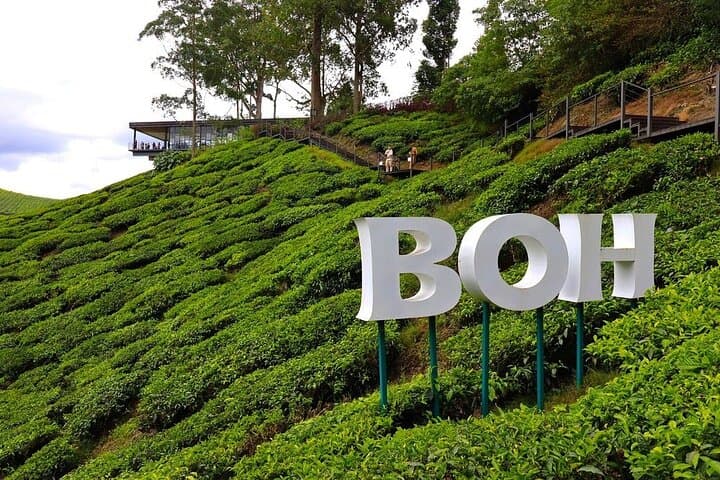
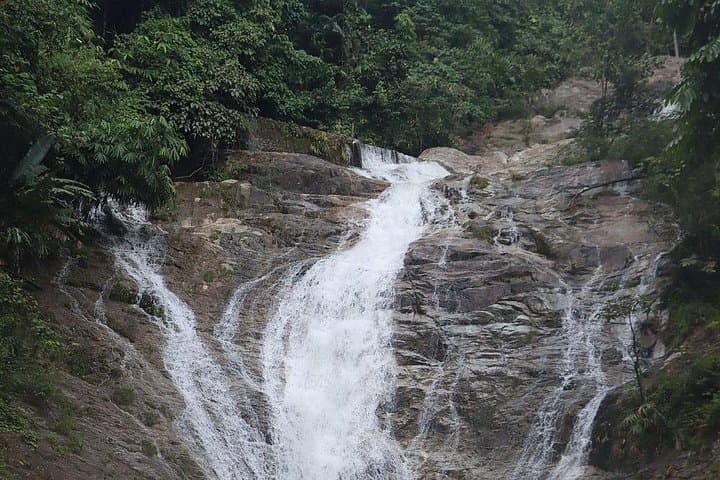
The van eases onto the North–South Highway before the hills arrive: a wall of green that cools the air and bends the light. Within two hours the pavement narrows and the landscapes change — tea terraces slope like folded cloth, small farms spill vegetables to roadside stalls, and a waterfall dares the traveler to step closer.
Verified experiences and guided adventures in the surrounding area.
Operated by Sastikaa Travel · Tanah Rata, Pahang
The van eases onto the North–South Highway before the hills arrive: a wall of green that cools the air and bends the light. Within two hours the pavement narrows and the landscapes change — tea terraces slope like folded cloth, small farms spill vegetables to roadside stalls, and a waterfall dares the traveler to step closer.
Cameron Highlands grew as a British hill station in the early 20th century; its cooler elevation (around 1,200–1,600 m) made it ideal for tea and vegetable cultivation. The geology is weathered granite and acidic soils that support the iconic BOH tea rows and a patchwork of market gardens. Local culture blends Malay highland communities with migrant workers from other Malaysian states and neighboring countries — the markets and farms are a good place to see that mix firsthand.
On a full-day private tour from Kuala Lumpur you can expect a 3+ hour drive each way, photo stops at Lata Iskandar waterfall, guided visits to BOH and Bharat tea viewpoints, a walk through vegetable markets, and self-picked strawberries at a farm. Butterfly and bee farms offer short, accessible exhibits rather than rugged trails.
Practical guidance: wear sturdy walking shoes for uneven farm paths, bring a light rain jacket (weather is changeable), and plan for long stretches in a comfortable vehicle. Carry local cash for market buys and strawberry picking fees. Aim for an early departure to avoid afternoon mist and to make the most of clear viewpoints.
easy.
12 hours.
Minimal fitness required; mostly short walks and standing with long periods of seated travel
Expect about 3 to 3.5 hours one way depending on traffic; the tour schedules long transfers with breaks for photo stops.
Strawberry picking is a visit-stop and typically self-pay; farmers often charge per basket or by weight.
No sustained hikes are required—most stops involve short walks on farm tracks, market browsing, and viewpoint photos.
Yes — the tour is rated easy with stroller access in some areas, but note long vehicle time and uneven surfaces at farms.
Cameron Highlands was developed as a British hill station in the 1920s; many tea estates date to that colonial era and remain commercially important.
The highlands are environmentally sensitive — stay on paths, avoid buying wild-collected plants, and minimize plastic waste to reduce impact.
Sastikaa Travel operates guided outdoor trips and adventures with an emphasis on safety, stewardship, and memorable experiences.

The van eases onto the North–South Highway before the hills arrive: a wall of green that cools the air and bends the light. Within two hours the pavement narrows and the landscapes change — tea terraces slope like folded cloth, small farms spill vegetables to roadside stalls, and a waterfall dares the traveler to step closer.
The van eases onto the North–South Highway before the hills arrive: a wall of green that cools the air and bends the light. Within two hours the pavement narrows and the landscapes change — tea terraces slope like folded cloth, small farms spill vegetables to roadside stalls, and a waterfall dares the traveler to step closer.
Cameron Highlands grew as a British hill station in the early 20th century; its cooler elevation (around 1,200–1,600 m) made it ideal for tea and vegetable cultivation. The geology is weathered granite and acidic soils that support the iconic BOH tea rows and a patchwork of market gardens. Local culture blends Malay highland communities with migrant workers from other Malaysian states and neighboring countries — the markets and farms are a good place to see that mix firsthand.
On a full-day private tour from Kuala Lumpur you can expect a 3+ hour drive each way, photo stops at Lata Iskandar waterfall, guided visits to BOH and Bharat tea viewpoints, a walk through vegetable markets, and self-picked strawberries at a farm. Butterfly and bee farms offer short, accessible exhibits rather than rugged trails.
Practical guidance: wear sturdy walking shoes for uneven farm paths, bring a light rain jacket (weather is changeable), and plan for long stretches in a comfortable vehicle. Carry local cash for market buys and strawberry picking fees. Aim for an early departure to avoid afternoon mist and to make the most of clear viewpoints.