THE ADVENTURE COLLECTIVE® · Independent discovery and booking for outdoor travel

Ride a camel over meter-high dunes, visit Bedouin villages, and sleep under star-filled desert skies. This Wahiba Sands safari pairs active travel with cultural exchange and practical desert know-how.
Ride a camel over meter-high dunes, visit Bedouin villages, and sleep under star-filled desert skies. This Wahiba Sands safari pairs active travel with cultural exchange and practical desert know-how.
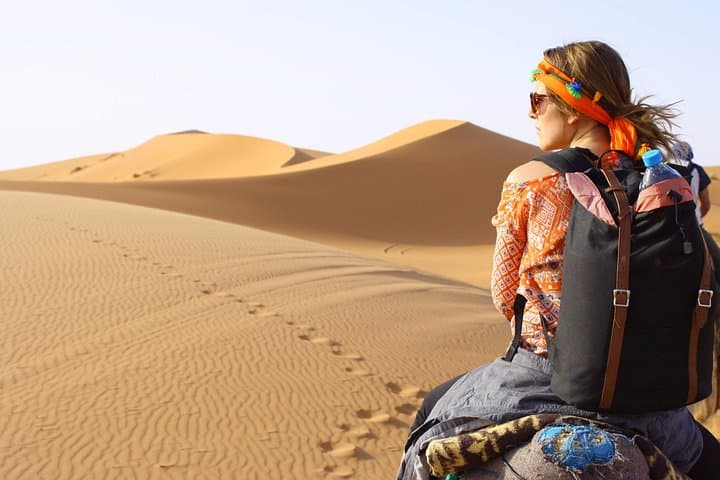
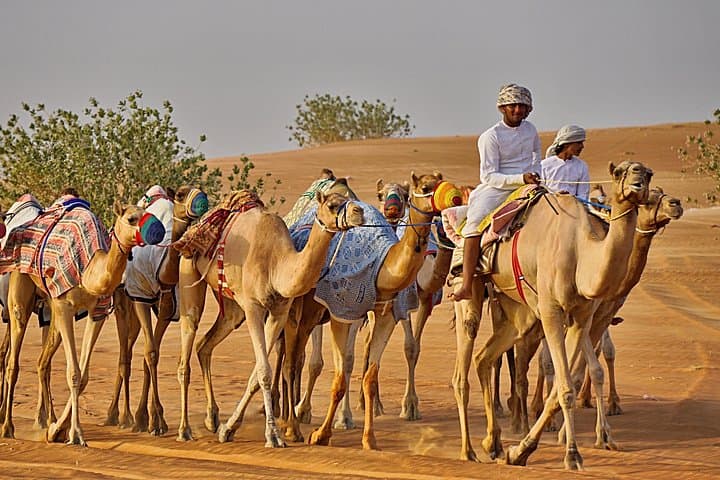
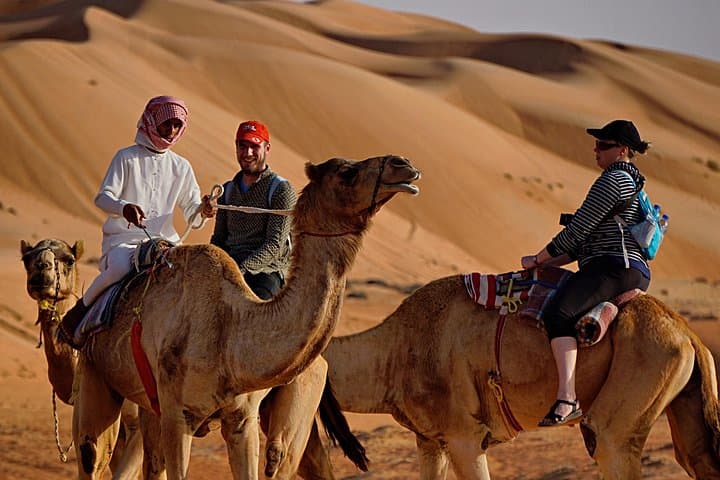
The first light slants across orange ridges as camels step into the quiet of the Wahiba Sands. The ride is unhurried: the animal’s gait rocks you forward while wind scours the dune faces and the horizon opens into waves of sand. Guides point out narrow tracks where Bedouin caravans once traveled and pause at a dune crest so the group can drink in the scale of the desert.
Verified experiences and guided adventures in the surrounding area.
Operated by Secret Arabia · Bediyah, Ash Sharqiyah North
The first light slants across orange ridges as camels step into the quiet of the Wahiba Sands. The ride is unhurried: the animal’s gait rocks you forward while wind scours the dune faces and the horizon opens into waves of sand. Guides point out narrow tracks where Bedouin caravans once traveled and pause at a dune crest so the group can drink in the scale of the desert.
Geology here is recent—wind-sculpted dunes up to 200 meters long that shift seasonally—sitting atop gravel plains that record ancient river flows. Culturally the area is tied to the Bani Wahiba (Wahiba) tribes and traditional Bedouin life; you’ll likely visit a small village, taste Arabic coffee, dates and halwa, and hear stories about livestock and pearl-trade routes that once linked Oman to the Gulf.
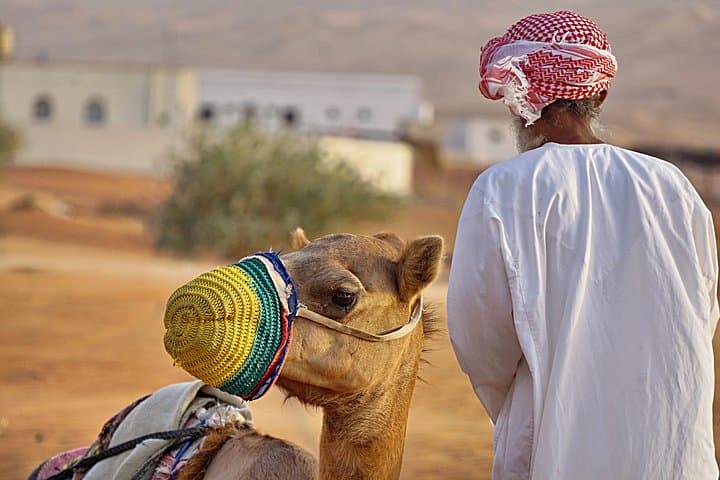
Expect simplicity and sensory detail: granular wind, the creak of camel tack, star-bright nights if you stay and sleep in an authentic camp. Practicalities matter—heat, loose sand, and limited shade shape the day. Wear breathable layers, protect skin and eyes, and carry ample water. Rides are offered from one hour to multi-day, with longer trips including a prepared desert camp and cooked local meals.
This safari is more than a photo stop; it’s active travel across soft, moving ground and social exchange with local hosts. Plan arrival from Muscat or Sur, allow time for transfer, and book guided trips that prioritize animal welfare and community support.
challenging.
1 hour–2 days.
Requires good balance and cardiovascular fitness for long or multi-day rides and walking on soft sand.
Operators offer options from 1-hour rides to half-day, full-day and multi-day safaris; the advertised basic option is often one hour.
Yes—guides provide basic instructions and camels are used to tourists, but riders should be comfortable with balance and follow guide directions.
Yes—multi-day trips include authentic desert camps with local meals; facilities are rustic and weather-dependent.
Trips aren’t recommended for those with spinal, heart or pregnancy-related conditions; operators usually ask for weight and health information at booking.
The Wahiba Sands (Ramlat al-Wahiba) are associated with the Bani Wahiba tribes and have long been inhabited by Bedouin communities whose livelihoods historically combined camel herding and trade.
The dunes are ecologically fragile; minimize impacts by staying on established routes, avoiding litter, and supporting operators who practice low-impact camping and respect Bedouin lands.
Secret Arabia operates guided outdoor trips and adventures with an emphasis on safety, stewardship, and memorable experiences.
The first light slants across orange ridges as camels step into the quiet of the Wahiba Sands. The ride is unhurried: the animal’s gait rocks you forward while wind scours the dune faces and the horizon opens into waves of sand. Guides point out narrow tracks where Bedouin caravans once traveled and pause at a dune crest so the group can drink in the scale of the desert.
The first light slants across orange ridges as camels step into the quiet of the Wahiba Sands. The ride is unhurried: the animal’s gait rocks you forward while wind scours the dune faces and the horizon opens into waves of sand. Guides point out narrow tracks where Bedouin caravans once traveled and pause at a dune crest so the group can drink in the scale of the desert.
Geology here is recent—wind-sculpted dunes up to 200 meters long that shift seasonally—sitting atop gravel plains that record ancient river flows. Culturally the area is tied to the Bani Wahiba (Wahiba) tribes and traditional Bedouin life; you’ll likely visit a small village, taste Arabic coffee, dates and halwa, and hear stories about livestock and pearl-trade routes that once linked Oman to the Gulf.
Expect simplicity and sensory detail: granular wind, the creak of camel tack, star-bright nights if you stay and sleep in an authentic camp. Practicalities matter—heat, loose sand, and limited shade shape the day. Wear breathable layers, protect skin and eyes, and carry ample water. Rides are offered from one hour to multi-day, with longer trips including a prepared desert camp and cooked local meals.
This safari is more than a photo stop; it’s active travel across soft, moving ground and social exchange with local hosts. Plan arrival from Muscat or Sur, allow time for transfer, and book guided trips that prioritize animal welfare and community support.