THE ADVENTURE COLLECTIVE® · Independent discovery and booking for outdoor travel

Ride a camel across the Giza Plateau and stand beneath the Great Pyramid, the Sphinx, and the Valley Temple on a private half-day tour. Expect guided history, limestone vistas, and practical tips for timing, sun protection, and photography.
Ride a camel across the Giza Plateau and stand beneath the Great Pyramid, the Sphinx, and the Valley Temple on a private half-day tour. Expect guided history, limestone vistas, and practical tips for timing, sun protection, and photography.
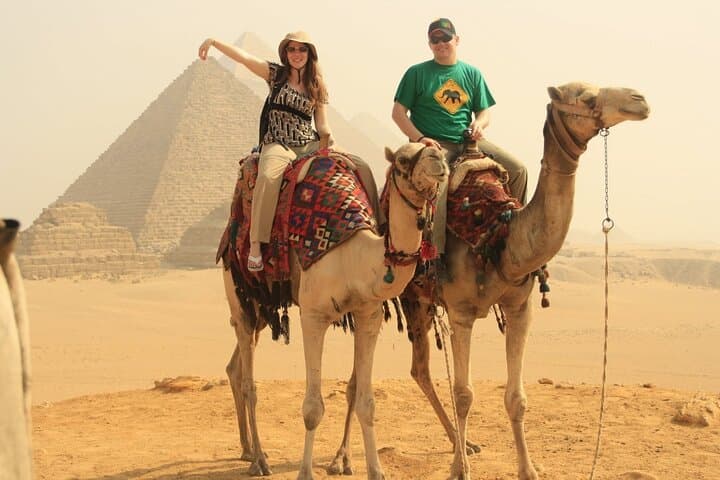
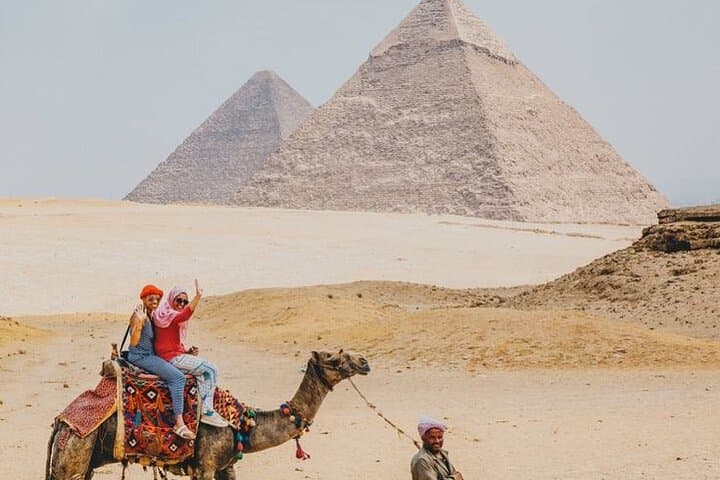
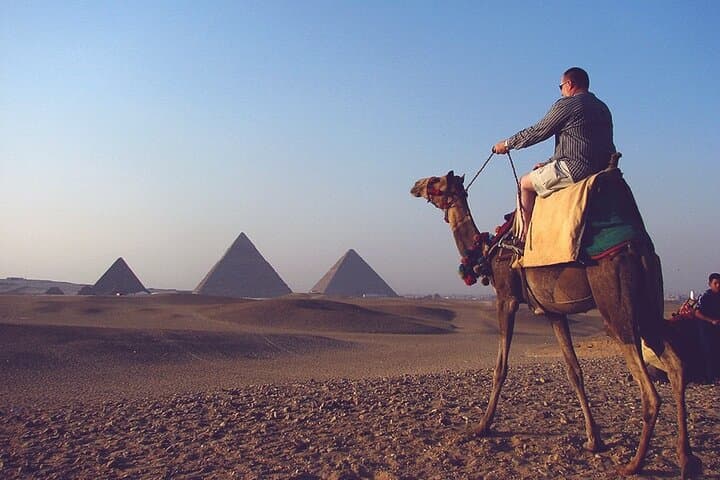
The sun lifts slowly over the limestone desert as a lone camel pads across the plateau, each step kicking up a fine, ochre dust that clings to boots and camera straps. From the saddle you get a first, staggered view: the bulk of Cheops, the stepped profile of Chephren, and the smaller Mykerinus lined like elders against the sky — and, to the west, the hollow-eyed stare of the Great Sphinx.
Verified experiences and guided adventures in the surrounding area.
Operated by Magic Life Tours · Giza, Giza Governorate
The sun lifts slowly over the limestone desert as a lone camel pads across the plateau, each step kicking up a fine, ochre dust that clings to boots and camera straps. From the saddle you get a first, staggered view: the bulk of Cheops, the stepped profile of Chephren, and the smaller Mykerinus lined like elders against the sky — and, to the west, the hollow-eyed stare of the Great Sphinx.
This private half-day tour traces more than 4,500 years of Egyptian statecraft and funerary practice. The Giza Plateau is a geological shelf of Eocene limestone; quarried blocks here formed royal tombs that reflect precise surveying and massive labor organization from the Old Kingdom. The Valley Temple near Chephren offers a close look at red granite doorways and the working spaces used for purification and mummification.
Expect a guided circuit that blends riding and walking: a 2–2.5 hour camel excursion across flatter stretches of the plateau, interleaved with stops at the pyramid bases, the Sphinx, and the Valley Temple for photos and context from a private Egyptologist. The light is best early morning or late afternoon when shadows reveal the blocks’ faces and Cairo’s heat eases.
Practical notes: wear closed shoes for rocky ground, protect skin from sun and dust, bring a hat and refillable water bottle, and keep camera gear secure on camels. The tour typically includes hotel pickup, bottled water, and entrance fees — ideal for travelers who want a short, focused encounter with one of the world’s oldest monumental landscapes.
easy.
3–4 hours.
Suitable for most fitness levels; able to mount a camel and walk short uneven sections
Yes — this private tour includes entrance fees to the Giza Plateau sites mentioned, per the tour description.
The camel portion is about 2 to 2.5 hours within a roughly 3–4 hour private tour that also includes walking stops.
The tour is marked suitable for all fitness levels; mounting a camel is required, and staff often provide assistance for those who need it.
Early morning or late afternoon is recommended to avoid heat, reduce haze for photos, and enjoy softer light on the monuments.
The Giza complex dates to Egypt’s Fourth Dynasty (c. 2600–2500 BCE); the Valley Temple functioned in royal funerary rites including purification and mummification preparations.
Visitor management aims to limit climbing on monuments and concentrate circulation on designated paths; carry out waste and follow guide instructions to minimize impact.
Magic Life Tours operates guided outdoor trips and adventures with an emphasis on safety, stewardship, and memorable experiences.

The sun lifts slowly over the limestone desert as a lone camel pads across the plateau, each step kicking up a fine, ochre dust that clings to boots and camera straps. From the saddle you get a first, staggered view: the bulk of Cheops, the stepped profile of Chephren, and the smaller Mykerinus lined like elders against the sky — and, to the west, the hollow-eyed stare of the Great Sphinx.
The sun lifts slowly over the limestone desert as a lone camel pads across the plateau, each step kicking up a fine, ochre dust that clings to boots and camera straps. From the saddle you get a first, staggered view: the bulk of Cheops, the stepped profile of Chephren, and the smaller Mykerinus lined like elders against the sky — and, to the west, the hollow-eyed stare of the Great Sphinx.
This private half-day tour traces more than 4,500 years of Egyptian statecraft and funerary practice. The Giza Plateau is a geological shelf of Eocene limestone; quarried blocks here formed royal tombs that reflect precise surveying and massive labor organization from the Old Kingdom. The Valley Temple near Chephren offers a close look at red granite doorways and the working spaces used for purification and mummification.
Expect a guided circuit that blends riding and walking: a 2–2.5 hour camel excursion across flatter stretches of the plateau, interleaved with stops at the pyramid bases, the Sphinx, and the Valley Temple for photos and context from a private Egyptologist. The light is best early morning or late afternoon when shadows reveal the blocks’ faces and Cairo’s heat eases.
Practical notes: wear closed shoes for rocky ground, protect skin from sun and dust, bring a hat and refillable water bottle, and keep camera gear secure on camels. The tour typically includes hotel pickup, bottled water, and entrance fees — ideal for travelers who want a short, focused encounter with one of the world’s oldest monumental landscapes.