THE ADVENTURE COLLECTIVE® · Independent discovery and booking for outdoor travel

Ride a camel through Marrakech’s Palmeraie for a one-hour loop among palms, past small villages, and a traditional Moroccan tea break. Perfect if you want an easy, atmospheric introduction to the region’s landscape and culture.
Ride a camel through Marrakech’s Palmeraie for a one-hour loop among palms, past small villages, and a traditional Moroccan tea break. Perfect if you want an easy, atmospheric introduction to the region’s landscape and culture.
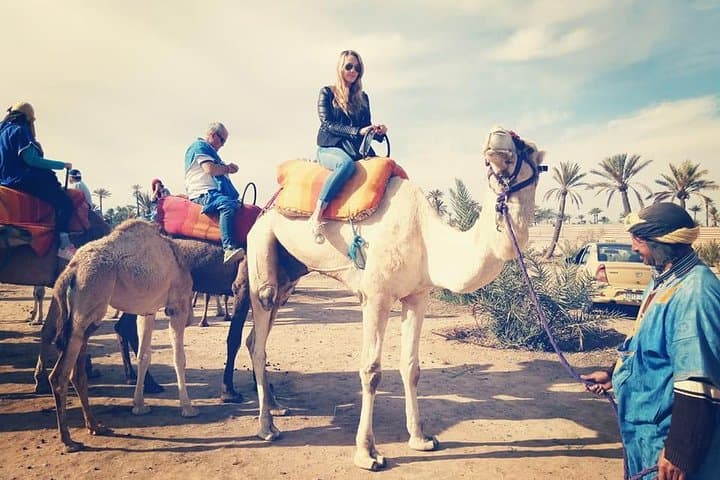
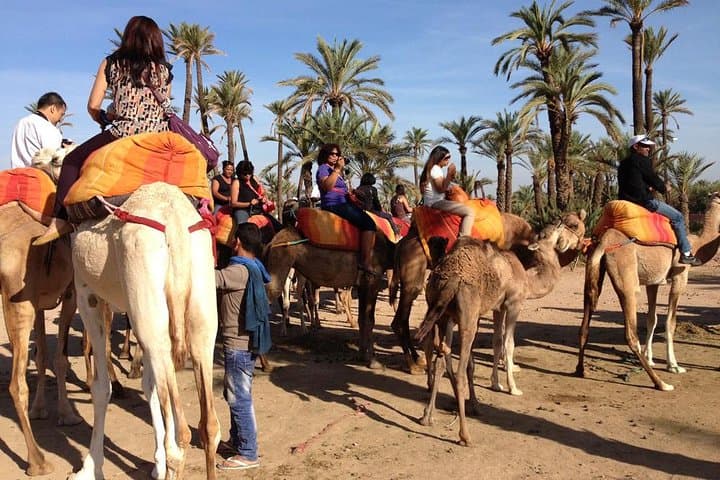
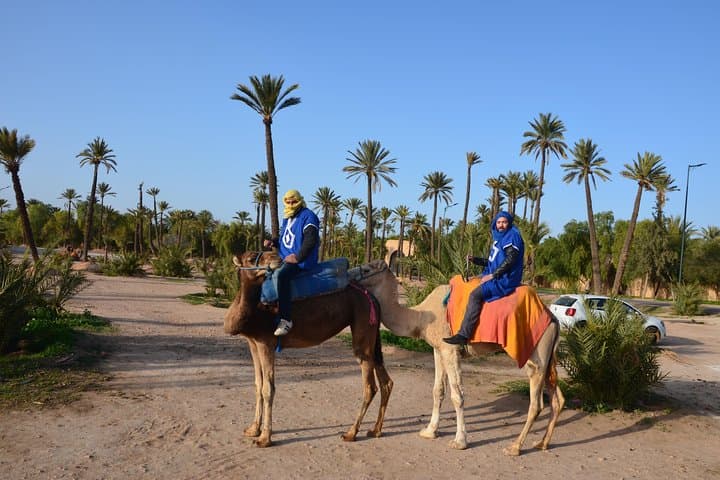
Early light breaks across the Palmeraie and the camels lift their legs like practiced dancers, stepping out along shaded sandy tracks that edge the palm grove. You feel the slow, deliberate sway beneath you as palms lean over irrigation channels and the distant silhouette of the Atlas Mountains sharpens the horizon.
Verified experiences and guided adventures in the surrounding area.
Operated by Around Marrakech Tours · Marrakech, Marrakech-Safi
Early light breaks across the Palmeraie and the camels lift their legs like practiced dancers, stepping out along shaded sandy tracks that edge the palm grove. You feel the slow, deliberate sway beneath you as palms lean over irrigation channels and the distant silhouette of the Atlas Mountains sharpens the horizon.
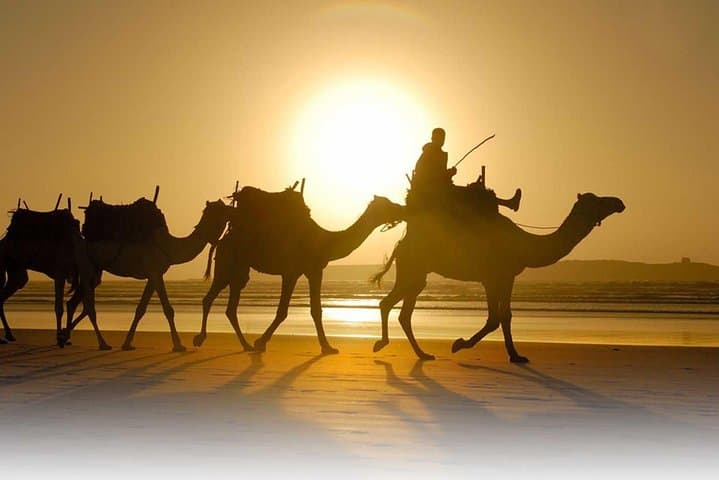
The Palmeraie is a human-shaped oasis: centuries of irrigation and date cultivation converted this edge of the Haouz plain into a working palm grove that supplied water and shade to local villages. Camels—once essential to Saharan transport and trade—now carry visitors through a landscape where arid geology meets cultivated green, and where villages and riads keep old craft traditions alive.
Cultural highlights arrive in small rituals: your guide pauses at a shaded stop for Moroccan mint tea, poured from a height to cool and aerate it, and you pass villagers tending small plots or riding donkeys along the lane. The ground underfoot alternates between packed sand and fine dune, with low shrubs and a few date palms punctuating the flat plain.
Practical details are straightforward: the advertised tour runs about two hours with hotel pickup, a one-hour camel loop and a rest stop for tea. Terrain is flat and nontechnical but the ride can jolt older spines—this activity is best for travelers without serious back problems. Wear closed shoes and sun protection, bring water and a light layer for morning or evening breezes. Respect the animals—follow the handler’s instructions, keep movements calm, and tip locally if the service is good. The Palmeraie ride is short on exertion and long on atmosphere—a clear, accessible way to connect with Marrakech’s landscape and living culture.
easy.
2 hours.
Suitable for most fitness levels; requires ability to mount and sit for an hour without severe back issues.
The guided camel loop is approximately one hour; the total experience, including transfer and a tea break, is about two hours.
Yes—most departures include hotel or riad pickup from the Marrakech medina as part of the tour.
Yes—children can join but must be accompanied by an adult; infants are generally required to sit on a lap or use specialised infant seats if provided.
Handlers on reputable tours follow local animal care practices; watch for signs of good care (rest periods, shaded holding areas) and ask guides about feeding and rest routines.
The Palmeraie’s palms and irrigation date back generations as part of the Haouz plain’s oasis agriculture, with camels long used for trade routes connecting Marrakech to wider Saharan networks.
Keep to designated trails, avoid littering and limit single-use plastics; local guides rely on the Palmeraie’s health for tourism and farming livelihoods.
Around Marrakech Tours operates guided outdoor trips and adventures with an emphasis on safety, stewardship, and memorable experiences.
Early light breaks across the Palmeraie and the camels lift their legs like practiced dancers, stepping out along shaded sandy tracks that edge the palm grove. You feel the slow, deliberate sway beneath you as palms lean over irrigation channels and the distant silhouette of the Atlas Mountains sharpens the horizon.
Early light breaks across the Palmeraie and the camels lift their legs like practiced dancers, stepping out along shaded sandy tracks that edge the palm grove. You feel the slow, deliberate sway beneath you as palms lean over irrigation channels and the distant silhouette of the Atlas Mountains sharpens the horizon.
The Palmeraie is a human-shaped oasis: centuries of irrigation and date cultivation converted this edge of the Haouz plain into a working palm grove that supplied water and shade to local villages. Camels—once essential to Saharan transport and trade—now carry visitors through a landscape where arid geology meets cultivated green, and where villages and riads keep old craft traditions alive.
Cultural highlights arrive in small rituals: your guide pauses at a shaded stop for Moroccan mint tea, poured from a height to cool and aerate it, and you pass villagers tending small plots or riding donkeys along the lane. The ground underfoot alternates between packed sand and fine dune, with low shrubs and a few date palms punctuating the flat plain.
Practical details are straightforward: the advertised tour runs about two hours with hotel pickup, a one-hour camel loop and a rest stop for tea. Terrain is flat and nontechnical but the ride can jolt older spines—this activity is best for travelers without serious back problems. Wear closed shoes and sun protection, bring water and a light layer for morning or evening breezes. Respect the animals—follow the handler’s instructions, keep movements calm, and tip locally if the service is good. The Palmeraie ride is short on exertion and long on atmosphere—a clear, accessible way to connect with Marrakech’s landscape and living culture.