THE ADVENTURE COLLECTIVE® · Independent discovery and booking for outdoor travel

Ride a camel through Marrakech’s Palmeraie for two hours of shaded palm tracks, village glimpses, and a traditional mint tea pause. This easy, scenic outing combines gentle terrain with cultural contact—ideal for travelers seeking a low-effort outdoor experience near the city.
Ride a camel through Marrakech’s Palmeraie for two hours of shaded palm tracks, village glimpses, and a traditional mint tea pause. This easy, scenic outing combines gentle terrain with cultural contact—ideal for travelers seeking a low-effort outdoor experience near the city.
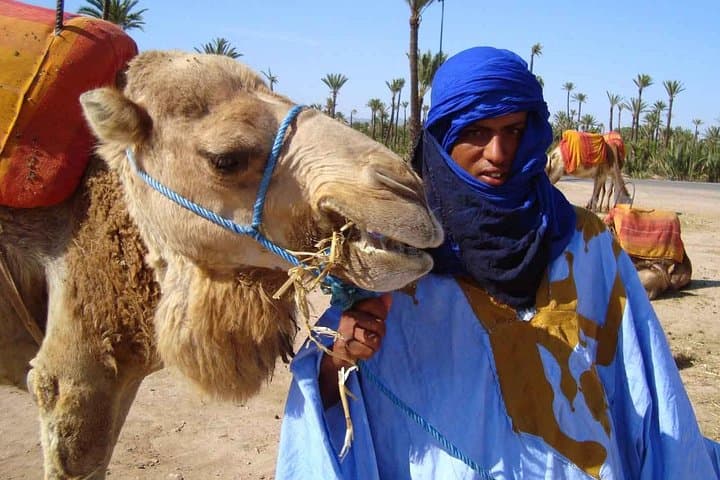
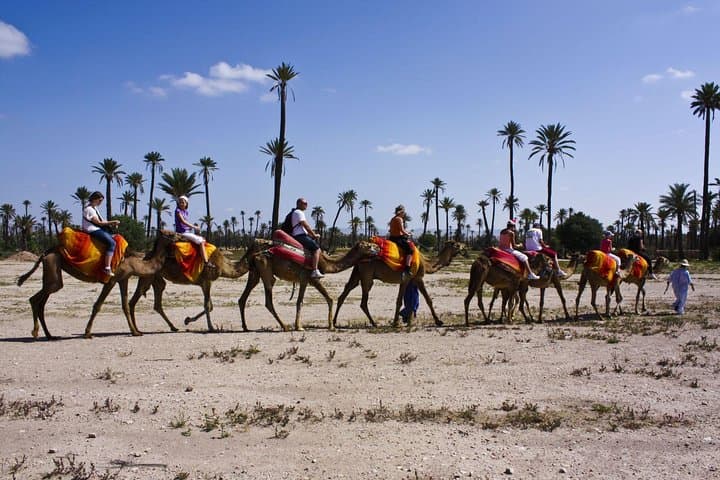
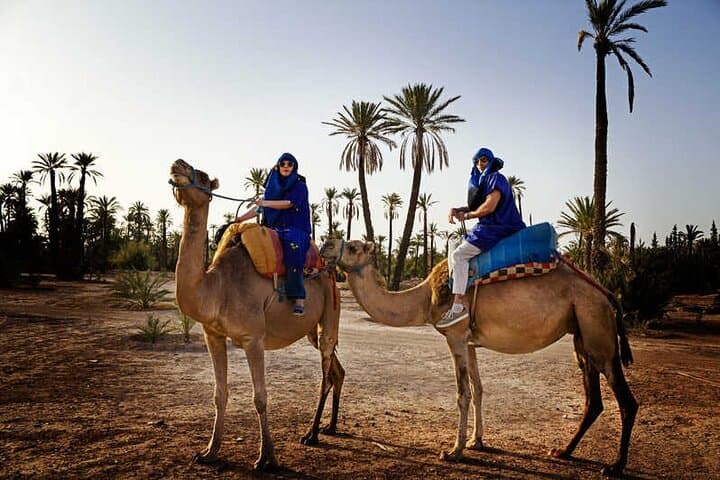
You climb into the saddle as palms lean like quiet sentries, the Red City shrinking behind you while the flat, sun-warmed plain stretches ahead. Camels step with a slow, patient rhythm; their sway sets the pace for the light and shadow of the palmeraie. Villages drift past—mud-brick walls, children waving—and a pause under a shaded tent offers mint tea and a view that flattens distance into color.
Verified experiences and guided adventures in the surrounding area.
Operated by Chez Ali Marrakech · Marrakech, Marrakech-Safi
You climb into the saddle as palms lean like quiet sentries, the Red City shrinking behind you while the flat, sun-warmed plain stretches ahead. Camels step with a slow, patient rhythm; their sway sets the pace for the light and shadow of the palmeraie. Villages drift past—mud-brick walls, children waving—and a pause under a shaded tent offers mint tea and a view that flattens distance into color.
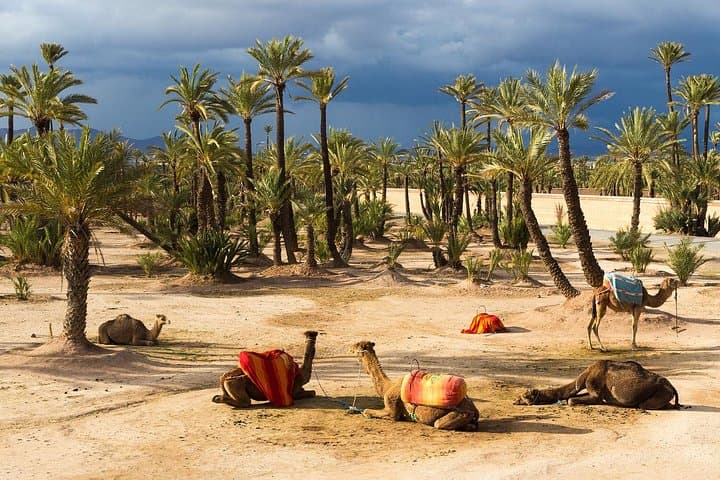
The Palmeraie lies on the Haouz plain north of Marrakech, an irrigated palm oasis that has supported agriculture and settlement for centuries. The grove’s date palms and irrigated plots sit atop alluvial soils deposited from the High Atlas foothills; tracks are sandy with compacted earth and occasional shallow ruts. Riding here mixes natural scenery with living culture—the paths thread between farms, family plots and small village lanes where traditional life continues.
Practically: the tour runs about two hours including pickup, camel time, and a tea stop. Terrain is easy—flat trails, low dunes and compact tracks—so the trip requires no technical skill, only steady balance. Weather dominates the experience: mornings and late afternoons are cooler, mid-day harsh in summer. Bring sun protection, a reusable water bottle, and a light layer for desert breezes. Cameras are welcome but secure straps are sensible; camels and small village roads mean slow shutter speeds and quick moments.
This ride is as much about moving through place as seeing it—an accessible, sensory way to connect with Marrakech’s agricultural landscape and local rhythms without strenuous hiking or technical gear.
easy.
2 hours.
Minimal fitness required; able to mount a camel and stay seated for about an hour.
Yes—operators typically allow children and provide infant seats or guidance; check age limits when booking and mention any special requirements.
The full activity is about two hours including transfer and a tea stop; camel time is usually around 45–60 minutes.
Most tours include hotel pickup and drop-off within Marrakech; confirm pickup point and time when you book.
Light, breathable clothing in summer, closed-toe shoes, and a hat; bring a light jacket for cooler mornings or evenings.
The Palmeraie developed as an irrigated oasis system on the Haouz plain, supporting agriculture and settlements for centuries; today it balances local farming with tourism.
Water use and development pressure are ongoing issues—choose operators that respect palms, avoid littering, and support community benefits.
Chez Ali Marrakech operates guided outdoor trips and adventures with an emphasis on safety, stewardship, and memorable experiences.
You climb into the saddle as palms lean like quiet sentries, the Red City shrinking behind you while the flat, sun-warmed plain stretches ahead. Camels step with a slow, patient rhythm; their sway sets the pace for the light and shadow of the palmeraie. Villages drift past—mud-brick walls, children waving—and a pause under a shaded tent offers mint tea and a view that flattens distance into color.
You climb into the saddle as palms lean like quiet sentries, the Red City shrinking behind you while the flat, sun-warmed plain stretches ahead. Camels step with a slow, patient rhythm; their sway sets the pace for the light and shadow of the palmeraie. Villages drift past—mud-brick walls, children waving—and a pause under a shaded tent offers mint tea and a view that flattens distance into color.
The Palmeraie lies on the Haouz plain north of Marrakech, an irrigated palm oasis that has supported agriculture and settlement for centuries. The grove’s date palms and irrigated plots sit atop alluvial soils deposited from the High Atlas foothills; tracks are sandy with compacted earth and occasional shallow ruts. Riding here mixes natural scenery with living culture—the paths thread between farms, family plots and small village lanes where traditional life continues.
Practically: the tour runs about two hours including pickup, camel time, and a tea stop. Terrain is easy—flat trails, low dunes and compact tracks—so the trip requires no technical skill, only steady balance. Weather dominates the experience: mornings and late afternoons are cooler, mid-day harsh in summer. Bring sun protection, a reusable water bottle, and a light layer for desert breezes. Cameras are welcome but secure straps are sensible; camels and small village roads mean slow shutter speeds and quick moments.
This ride is as much about moving through place as seeing it—an accessible, sensory way to connect with Marrakech’s agricultural landscape and local rhythms without strenuous hiking or technical gear.