THE ADVENTURE COLLECTIVE® · Independent discovery and booking for outdoor travel

Ride a camel across the Giza Plateau at sunset, skimming the base of the Great Pyramids while guides narrate 4,500 years of history. This easy-paced safari blends blunt desert geology, close-up pyramid views, and local snacks—perfect for photographers and first-time visitors.
Ride a camel across the Giza Plateau at sunset, skimming the base of the Great Pyramids while guides narrate 4,500 years of history. This easy-paced safari blends blunt desert geology, close-up pyramid views, and local snacks—perfect for photographers and first-time visitors.
The sun leans low over the Giza Plateau, painting the limestone faces of Khufu, Khafre and Menkaure in a hard, golden light. Camels step across wind-scoured sand, their slow rhythm matching the plateau’s ancient cadence as riders glide past monumental silhouettes. The Sphinx watches the procession; dust lifts briefly, daring travelers to look closer.
Verified experiences and guided adventures in the surrounding area.
Operated by Three Pyramids Tours · Giza, Giza Governorate
The sun leans low over the Giza Plateau, painting the limestone faces of Khufu, Khafre and Menkaure in a hard, golden light. Camels step across wind-scoured sand, their slow rhythm matching the plateau’s ancient cadence as riders glide past monumental silhouettes. The Sphinx watches the procession; dust lifts briefly, daring travelers to look closer.
The pyramids date to Egypt’s Fourth Dynasty—Khufu’s Great Pyramid was completed around 2560 BCE—and the plateau is as much archaeological archive as open desert. Geology here is compacted Nile silt and chert-bearing limestone; erosion and centuries of human traffic have softened edges but not the presence. Local culture folds into the visit: Bedouin-led camel teams, snack stalls selling tea and falafel, and guides who translate pharaonic history into present tense.
Expect an easy-paced ride that focuses on exterior views and photo opportunities rather than interior entry. The tour typically runs around 3–5 hours including pickup and transfers, timed to catch sunset light. Terrain is sandy with occasional hard-packed track; footwear with traction helps. Bring water, sun protection, and a light layer for breezy evenings—temperatures fall quickly after dusk.
Practical notes: confirm whether interior pyramid tickets are included (most sunset rides do not include internal access), budget for tips to handlers, and plan transport time to and from Cairo or Giza. The experience is part cultural visit, part short desert safari—rich in history, low on technical challenge, and high in photographic payoff.
easy.
3–5 hours.
Suitable for most fitness levels; requires ability to mount a camel and sit unevenly for short periods.
Most sunset camel rides provide exterior views only; interior pyramid entry is usually a separate ticket—confirm with the operator before booking.
Rides are generally suitable for a wide range of ages, but those with spinal problems or limited mobility should avoid mounting camels; handlers can often assist with boarding.
Private tours commonly include hotel pickup and drop-off in Cairo and Giza—confirm exact pickup point and time when reserving.
Yes; small tips to handlers and guides are customary and appreciated—bring small bills in local currency.
The Great Pyramid of Khufu was completed around 2560 BCE and remained the tallest man-made structure for nearly 3,800 years; the plateau has continuous human use from ancient burials to modern tourism.
Visitor pressure and sand erosion are ongoing concerns—stick to designated paths, avoid climbing monuments, and minimize single-use plastics to reduce impact.
Three Pyramids Tours operates guided outdoor trips and adventures with an emphasis on safety, stewardship, and memorable experiences.
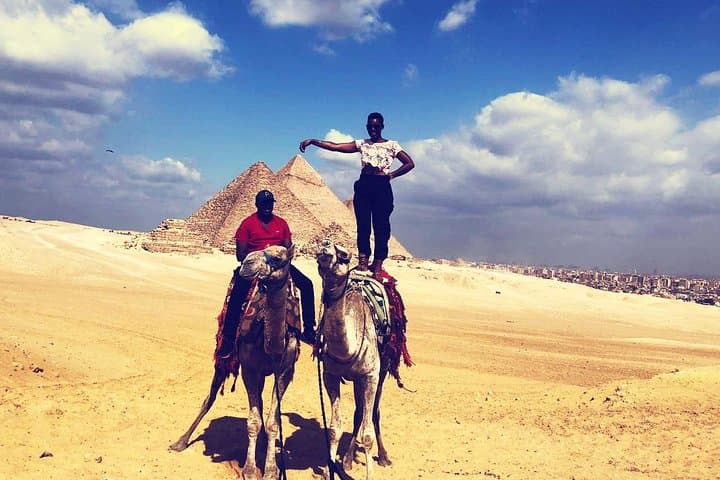
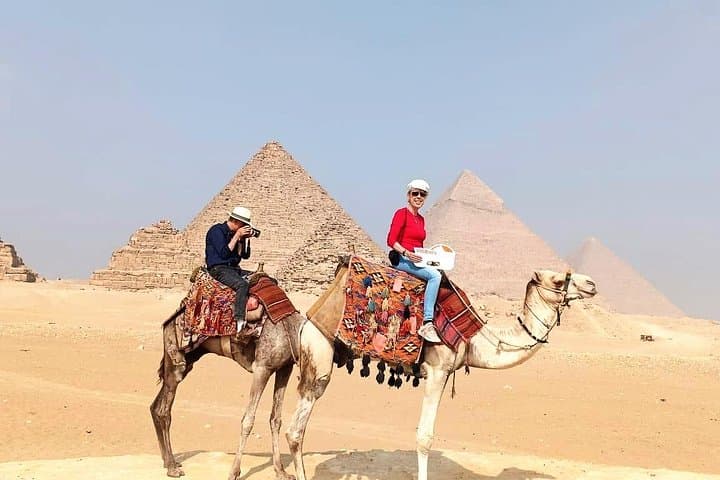

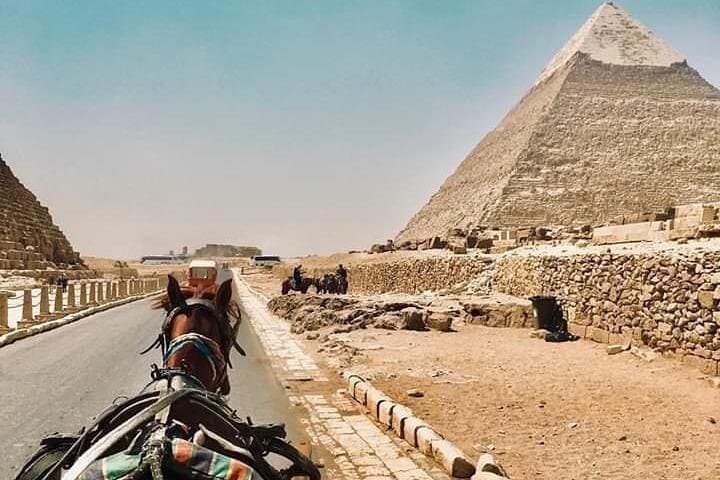
The sun leans low over the Giza Plateau, painting the limestone faces of Khufu, Khafre and Menkaure in a hard, golden light. Camels step across wind-scoured sand, their slow rhythm matching the plateau’s ancient cadence as riders glide past monumental silhouettes. The Sphinx watches the procession; dust lifts briefly, daring travelers to look closer.
The sun leans low over the Giza Plateau, painting the limestone faces of Khufu, Khafre and Menkaure in a hard, golden light. Camels step across wind-scoured sand, their slow rhythm matching the plateau’s ancient cadence as riders glide past monumental silhouettes. The Sphinx watches the procession; dust lifts briefly, daring travelers to look closer.
The pyramids date to Egypt’s Fourth Dynasty—Khufu’s Great Pyramid was completed around 2560 BCE—and the plateau is as much archaeological archive as open desert. Geology here is compacted Nile silt and chert-bearing limestone; erosion and centuries of human traffic have softened edges but not the presence. Local culture folds into the visit: Bedouin-led camel teams, snack stalls selling tea and falafel, and guides who translate pharaonic history into present tense.
Expect an easy-paced ride that focuses on exterior views and photo opportunities rather than interior entry. The tour typically runs around 3–5 hours including pickup and transfers, timed to catch sunset light. Terrain is sandy with occasional hard-packed track; footwear with traction helps. Bring water, sun protection, and a light layer for breezy evenings—temperatures fall quickly after dusk.
Practical notes: confirm whether interior pyramid tickets are included (most sunset rides do not include internal access), budget for tips to handlers, and plan transport time to and from Cairo or Giza. The experience is part cultural visit, part short desert safari—rich in history, low on technical challenge, and high in photographic payoff.