THE ADVENTURE COLLECTIVE® · Independent discovery and booking for outdoor travel

Ride a camel through the Palmeraie’s palm groves, where irrigated orchards and village life unfold just outside Marrakech. This one-hour tour pairs a gentle camel trek with a traditional mint tea finish and accessible pickup.
Ride a camel through the Palmeraie’s palm groves, where irrigated orchards and village life unfold just outside Marrakech. This one-hour tour pairs a gentle camel trek with a traditional mint tea finish and accessible pickup.
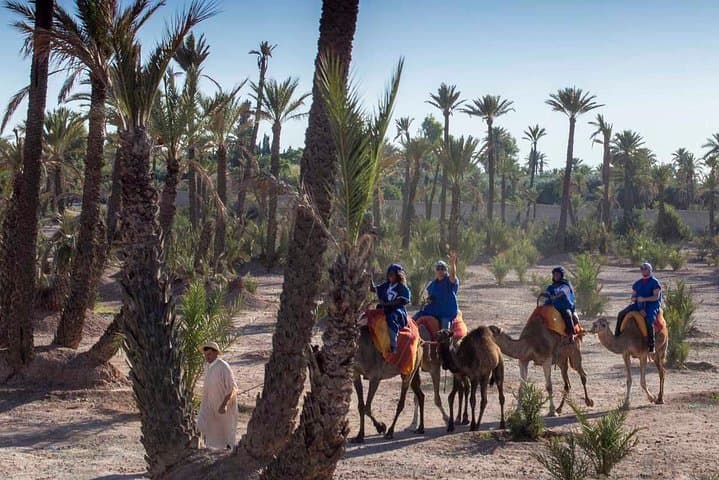
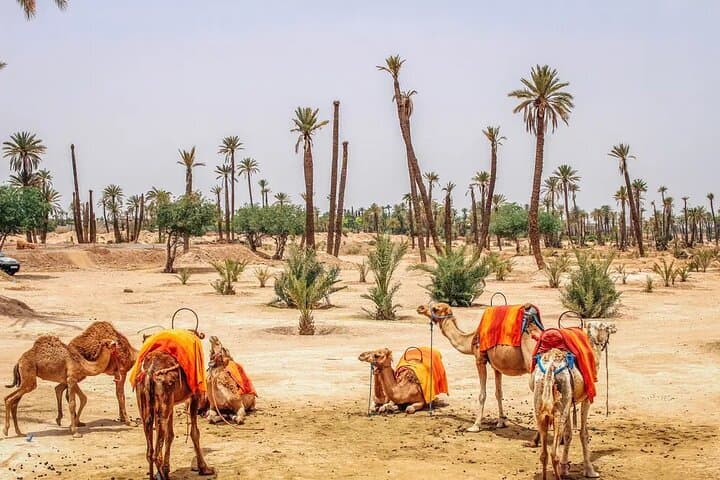
The morning light slides between rows of date palms as a patient camel lowers to the sandy trail. You rise with it, seat settling into a broad leather saddle, and the city’s noise thins into palms and wind. The Palmeraie, a 20-minute drive north of Marrakech, lays out like an irrigated patchwork of orchards and palms, a deliberate green pocket against the ochre plain.
Verified experiences and guided adventures in the surrounding area.
Operated by Moroccan Mahi Trip · Marrakech, Marrakech-Safi
The morning light slides between rows of date palms as a patient camel lowers to the sandy trail. You rise with it, seat settling into a broad leather saddle, and the city’s noise thins into palms and wind. The Palmeraie, a 20-minute drive north of Marrakech, lays out like an irrigated patchwork of orchards and palms, a deliberate green pocket against the ochre plain.
The grove grew where groundwater meets human care: centuries of simple irrigation and later 20th-century plantation work expanded the palms and citrus. The landscape is geometric in places—planting lines and irrigation channels—yet alive with migrant birds and small village life. Local guides link the ride to Berber and nomadic traditions; the tour often ends in a low, nomadic-style tent for poured mint tea and conversation about village life beyond the medina.
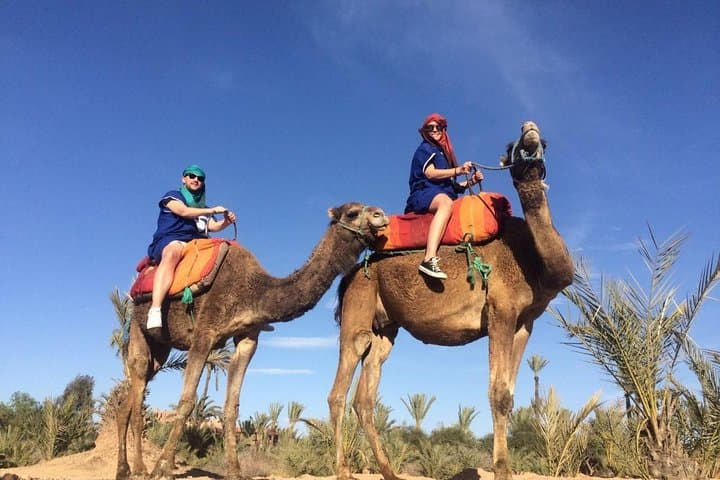
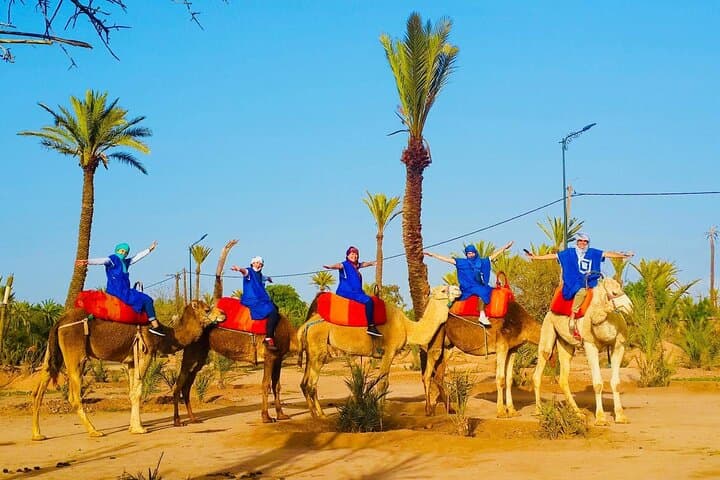
Expect mostly flat sandy tracks and short spans of loose soil. The ride is moderate in motion but easy in effort—suitable for most travelers though not recommended for those with spinal or cardiovascular issues. Operators typically provide traditional robes and a short safety briefing; camels are trained for short tourist rides, but humane handling varies, so choose vendors who rest animals and limit load.
Practical tips: book early or late in the day to avoid heat, bring sun protection and water, and wear closed-toe shoes for dune edges. Allow time for the return transfer to Marrakech and a few minutes to photograph the palms once you dismount. The Palmeraie ride is brief but sensory: palms leaning like an audience, the camel’s steady rhythm pushing you forward, and a small slice of rural life just beyond the city’s pulse.
easy.
1 hour.
Suitable for most travelers who can mount and sit for short periods; not recommended for people with serious back or heart conditions.
The scheduled ride is about 60 minutes, typically including transfer time to and from central Marrakech.
Children can ride but infants must sit on an adult's lap; the experience is not recommended for pregnant people or those with spinal or serious cardiovascular issues.
Yes—most operators include a traditional mint tea served in a nomadic-style tent as part of the tour finish.
Yes; operators usually permit photography—ask your guide for the safest moments to dismount or step aside for pictures.
The Palmeraie grew from traditional irrigation pockets and expanded during the 20th century into a managed palm and orchard zone that supported local agriculture and shade cultivation.
Water is a scarce resource in the region—favor operators who limit group size, rotate animals, and support local communities to reduce pressure on the oasis.
Moroccan Mahi Trip operates guided outdoor trips and adventures with an emphasis on safety, stewardship, and memorable experiences.
The morning light slides between rows of date palms as a patient camel lowers to the sandy trail. You rise with it, seat settling into a broad leather saddle, and the city’s noise thins into palms and wind. The Palmeraie, a 20-minute drive north of Marrakech, lays out like an irrigated patchwork of orchards and palms, a deliberate green pocket against the ochre plain.
The morning light slides between rows of date palms as a patient camel lowers to the sandy trail. You rise with it, seat settling into a broad leather saddle, and the city’s noise thins into palms and wind. The Palmeraie, a 20-minute drive north of Marrakech, lays out like an irrigated patchwork of orchards and palms, a deliberate green pocket against the ochre plain.
The grove grew where groundwater meets human care: centuries of simple irrigation and later 20th-century plantation work expanded the palms and citrus. The landscape is geometric in places—planting lines and irrigation channels—yet alive with migrant birds and small village life. Local guides link the ride to Berber and nomadic traditions; the tour often ends in a low, nomadic-style tent for poured mint tea and conversation about village life beyond the medina.
Expect mostly flat sandy tracks and short spans of loose soil. The ride is moderate in motion but easy in effort—suitable for most travelers though not recommended for those with spinal or cardiovascular issues. Operators typically provide traditional robes and a short safety briefing; camels are trained for short tourist rides, but humane handling varies, so choose vendors who rest animals and limit load.
Practical tips: book early or late in the day to avoid heat, bring sun protection and water, and wear closed-toe shoes for dune edges. Allow time for the return transfer to Marrakech and a few minutes to photograph the palms once you dismount. The Palmeraie ride is brief but sensory: palms leaning like an audience, the camel’s steady rhythm pushing you forward, and a small slice of rural life just beyond the city’s pulse.