THE ADVENTURE COLLECTIVE® · Independent discovery and booking for outdoor travel

Ride across the changing surfaces of Chott Djerid, sleep in a desert camp and learn local stories from cameleers. This Tozeur-based overnight combines gentle camel treks with starlit hospitality and simple comforts.
Ride across the changing surfaces of Chott Djerid, sleep in a desert camp and learn local stories from cameleers. This Tozeur-based overnight combines gentle camel treks with starlit hospitality and simple comforts.
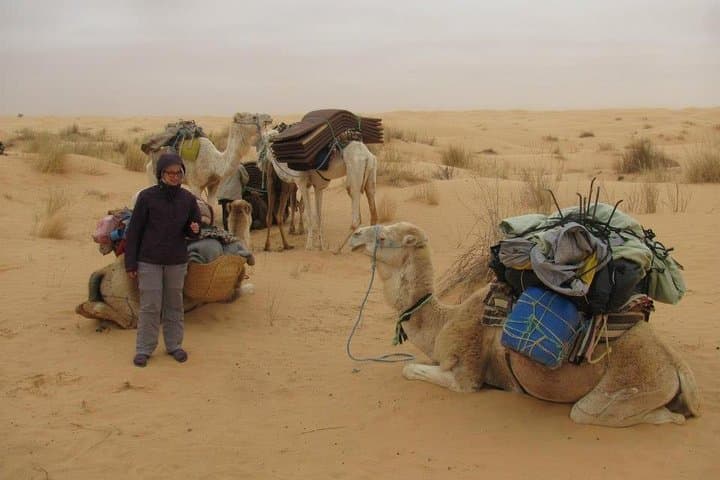
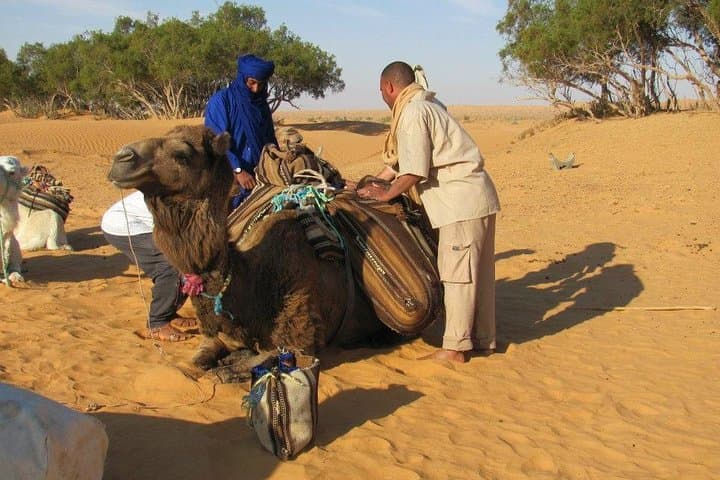
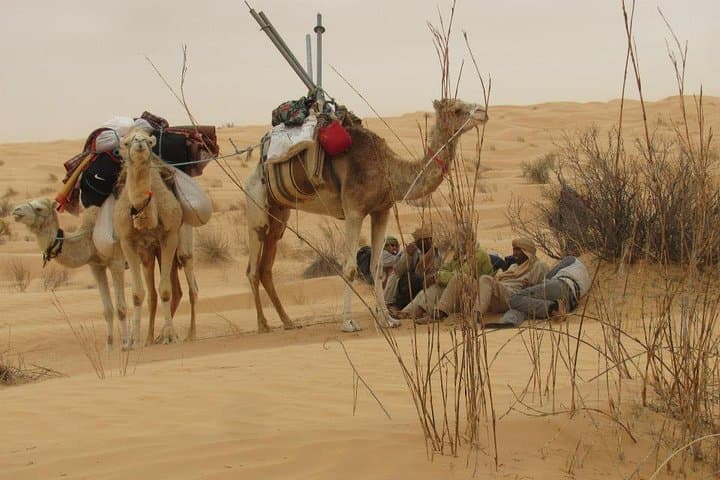
The sun sits low and flat over Chott Djerid, the salt pan’s crust flashing white while dunes nearby warm to gold. Guests meet cameleers on the scrubby edge of the salt lake, swing up onto docile camels and follow a slow, rocking line into a landscape that shifts from hard, cracked flats to wind-sculpted sand.
Verified experiences and guided adventures in the surrounding area.
Operated by Tunisie Rêves Day Tours · Tozeur, Tozeur Governorate
The sun sits low and flat over Chott Djerid, the salt pan’s crust flashing white while dunes nearby warm to gold. Guests meet cameleers on the scrubby edge of the salt lake, swing up onto docile camels and follow a slow, rocking line into a landscape that shifts from hard, cracked flats to wind-sculpted sand.
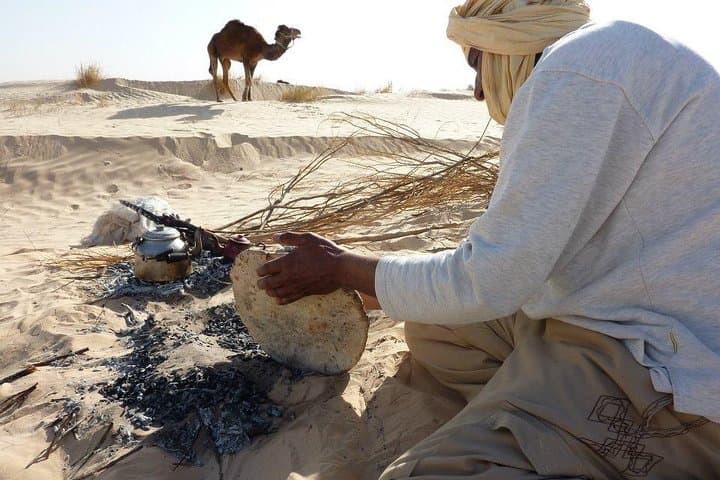
This route threads recent geological history—an ancient seabed transformed by evaporation—into human stories: nomadic trade routes, oasis towns like Tozeur, and modern Bedouin hospitality. The camp is simple: low tents, shared supper around a small fire, and a night sky that seems unusually close thanks to the flat horizon. Morning brings a short walk, breakfast, and the return ride.
Expect uneven terrain: pack-sand interspersed with compact salt crust and occasional rocky patches. Temperatures swing dramatically between day and night; breezes off the chott can be cool. Cultural notes: cameleers often come from local oasis communities and can explain salt-harvesting history and regional plant uses.
Practical guidance: arrive in Tozeur with layered clothing, sturdy shoes, sun protection and a small overnight pack—all large bags typically remain in vehicle transport. Hydrate before and during the ride; camel saddles are stable but allow time to adjust. Note the operator provides mineral water, transport, dinner and breakfast. If you have back issues avoid camel riding—guides can help with alternatives at the camp.
This experience suits travelers who want a short, low-impact overnight under raw desert skies with local-led guidance and minimal infrastructure.
easy.
Approximately 48 hours (overnight).
Suitable for most fitness levels; ability to mount a camel and walk short distances recommended
Rides vary but typically are a few hours spread across late afternoon into the evening and the return the next morning, with time at camp in between.
Camps offer program tents or simple sleeping mats, with dinner and breakfast provided—expect basic, clean facilities rather than full-service lodging.
Facilities are basic; operators usually provide simple camp toilets or locate stops near natural cover—bring hand sanitizer and biodegradable wipes.
Yes, the tour includes private transportation from Tozeur pickup points; confirm your preferred pickup location when booking.
Chott Djerid is an evaporated Pleistocene seabed that has long been a transit zone for caravans and local salt harvesting; nearby towns like Tozeur grew as oasis hubs.
Respect fragile vegetation and avoid breaking salt crusts; local operators often limit camp impact and use existing camp sites to reduce disturbance.
Tunisie Rêves Day Tours operates guided outdoor trips and adventures with an emphasis on safety, stewardship, and memorable experiences.
The sun sits low and flat over Chott Djerid, the salt pan’s crust flashing white while dunes nearby warm to gold. Guests meet cameleers on the scrubby edge of the salt lake, swing up onto docile camels and follow a slow, rocking line into a landscape that shifts from hard, cracked flats to wind-sculpted sand.
The sun sits low and flat over Chott Djerid, the salt pan’s crust flashing white while dunes nearby warm to gold. Guests meet cameleers on the scrubby edge of the salt lake, swing up onto docile camels and follow a slow, rocking line into a landscape that shifts from hard, cracked flats to wind-sculpted sand.
This route threads recent geological history—an ancient seabed transformed by evaporation—into human stories: nomadic trade routes, oasis towns like Tozeur, and modern Bedouin hospitality. The camp is simple: low tents, shared supper around a small fire, and a night sky that seems unusually close thanks to the flat horizon. Morning brings a short walk, breakfast, and the return ride.
Expect uneven terrain: pack-sand interspersed with compact salt crust and occasional rocky patches. Temperatures swing dramatically between day and night; breezes off the chott can be cool. Cultural notes: cameleers often come from local oasis communities and can explain salt-harvesting history and regional plant uses.
Practical guidance: arrive in Tozeur with layered clothing, sturdy shoes, sun protection and a small overnight pack—all large bags typically remain in vehicle transport. Hydrate before and during the ride; camel saddles are stable but allow time to adjust. Note the operator provides mineral water, transport, dinner and breakfast. If you have back issues avoid camel riding—guides can help with alternatives at the camp.
This experience suits travelers who want a short, low-impact overnight under raw desert skies with local-led guidance and minimal infrastructure.