THE ADVENTURE COLLECTIVE® · Independent discovery and booking for outdoor travel

Ride through Marrakech’s Palmeraie on camels and step into an oasis shaped by irrigation, dates and local village life. This short, guided loop includes tea under a tent and hotel pickup—ideal for travelers wanting an easy, sensory escape from the medina.
Ride through Marrakech’s Palmeraie on camels and step into an oasis shaped by irrigation, dates and local village life. This short, guided loop includes tea under a tent and hotel pickup—ideal for travelers wanting an easy, sensory escape from the medina.
You start on a low track where palms rise like columns, each frond flicking heat into shade as the camel handler lifts you into the saddle. The Palmeraie spreads out immediate and human — a working palm oasis on the edge of Marrakech where irrigation channels still whisper through fields and the city hum fades to bird calls and the rhythmic swaying of camels.
Verified experiences and guided adventures in the surrounding area.
Operated by Palacio da Bahia · Marrakech, Marrakesh-Safi
You start on a low track where palms rise like columns, each frond flicking heat into shade as the camel handler lifts you into the saddle. The Palmeraie spreads out immediate and human — a working palm oasis on the edge of Marrakech where irrigation channels still whisper through fields and the city hum fades to bird calls and the rhythmic swaying of camels.
The grove reflects centuries of agricultural practice in the Haouz plain: date palms planted and tended to supply fiber, fruit and shelter, fed by traditional irrigation that shaped local villages and lifestyles. The palms give way to small hamlets and almond trees; handlers often come from families steeped in oasis culture and tea ritual. Expect a slow, patient pace — camels will set the cadence and you’ll move with it, passing farm plots, ochre walls and the occasional market stall.
Practically, the experience is short and accessible: most operators include a tea break under a tent, a guided 45–60 minute camel loop and hotel pickup. Wear closed-toe shoes, bring sun protection and a filled water bottle; mornings or late afternoons are cooler and photographically better. Handlers are used to tourists but treat animals and local customs with respect: follow instructions for mounting, stay seated when the camel kneels, and carry small bills for tips.
This is an easy, sensory way to step out of Marrakech’s medina and into living agricultural history — quiet, tactile, and surprisingly restorative.
easy.
2 hours (approx. palm grove experience; 45–60 min camel ride).
Suitable for most fitness levels — able to mount a camel with assistance and sit upright for an hour.
The guided camel loop typically lasts 45–60 minutes within a 1.5–2 hour palm-grove visit that includes tea and transfers.
Yes — most operators include round-trip hotel pickup and drop-off from central Marrakech.
Children are usually allowed; infant seats are often available and handlers will advise based on age and weight—check booking requirements.
Tipping handlers is customary; small local-currency notes are appreciated for good service and animal care.
The Palmeraie began as managed oasis groves in the Haouz plain, supplying dates, shade and building materials for Marrakech’s outskirts for centuries.
The grove depends on groundwater and traditional irrigation; choose small-group operators and avoid feeding or disturbing wildlife to reduce local impact.
Palacio da Bahia operates guided outdoor trips and adventures with an emphasis on safety, stewardship, and memorable experiences.
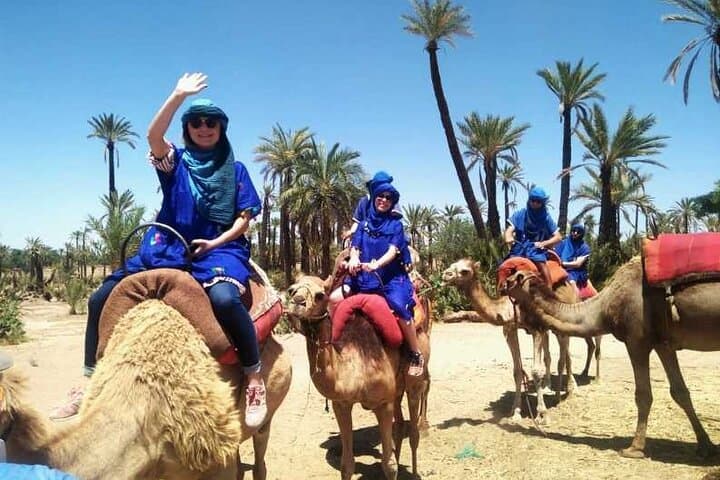
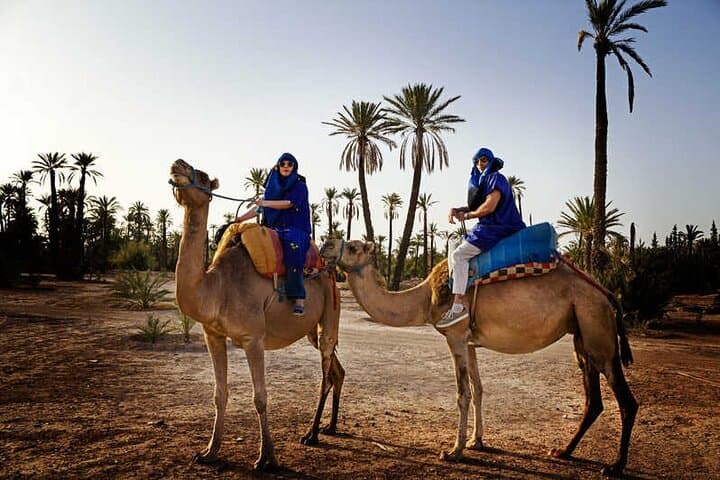
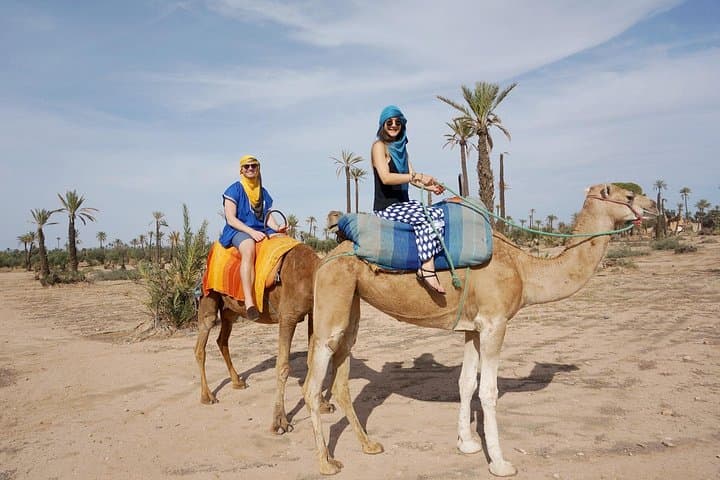
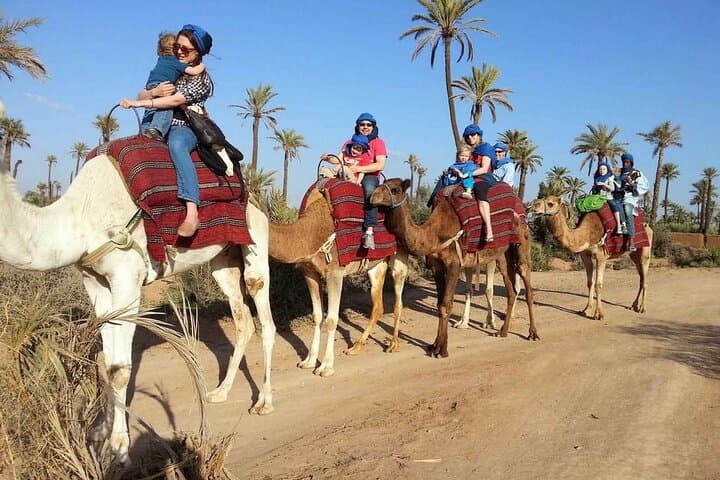
You start on a low track where palms rise like columns, each frond flicking heat into shade as the camel handler lifts you into the saddle. The Palmeraie spreads out immediate and human — a working palm oasis on the edge of Marrakech where irrigation channels still whisper through fields and the city hum fades to bird calls and the rhythmic swaying of camels.
You start on a low track where palms rise like columns, each frond flicking heat into shade as the camel handler lifts you into the saddle. The Palmeraie spreads out immediate and human — a working palm oasis on the edge of Marrakech where irrigation channels still whisper through fields and the city hum fades to bird calls and the rhythmic swaying of camels.
The grove reflects centuries of agricultural practice in the Haouz plain: date palms planted and tended to supply fiber, fruit and shelter, fed by traditional irrigation that shaped local villages and lifestyles. The palms give way to small hamlets and almond trees; handlers often come from families steeped in oasis culture and tea ritual. Expect a slow, patient pace — camels will set the cadence and you’ll move with it, passing farm plots, ochre walls and the occasional market stall.
Practically, the experience is short and accessible: most operators include a tea break under a tent, a guided 45–60 minute camel loop and hotel pickup. Wear closed-toe shoes, bring sun protection and a filled water bottle; mornings or late afternoons are cooler and photographically better. Handlers are used to tourists but treat animals and local customs with respect: follow instructions for mounting, stay seated when the camel kneels, and carry small bills for tips.
This is an easy, sensory way to step out of Marrakech’s medina and into living agricultural history — quiet, tactile, and surprisingly restorative.