THE ADVENTURE COLLECTIVE® · Independent discovery and booking for outdoor travel

Settle into a slow, one-hour camel ride through Marrakech’s Palmeraie, where irrigated palms, Berber villages and a mint-tea stop frame an accessible cultural outing. This shared tour includes hotel pickup and a short traditional-tea break.
Settle into a slow, one-hour camel ride through Marrakech’s Palmeraie, where irrigated palms, Berber villages and a mint-tea stop frame an accessible cultural outing. This shared tour includes hotel pickup and a short traditional-tea break.
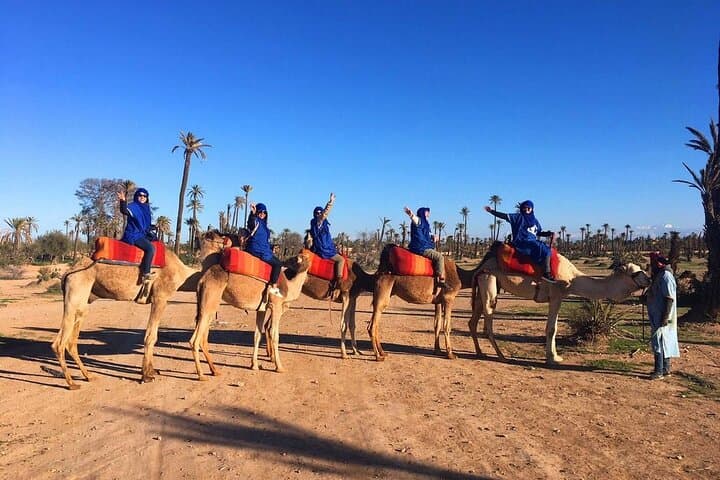
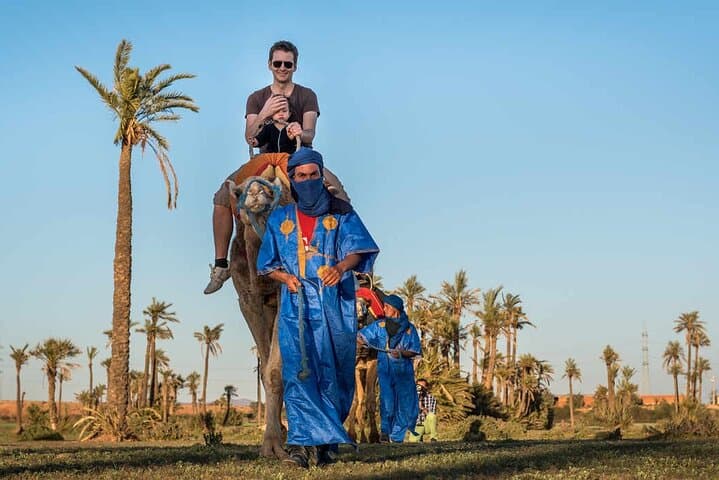
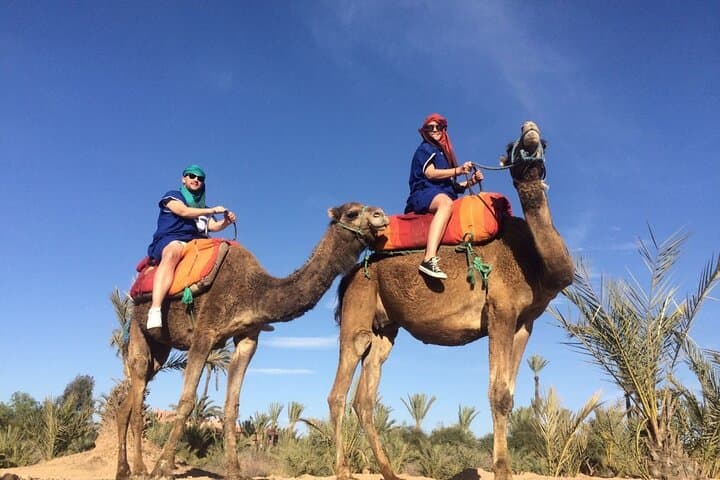
The camel pads creak under you as palms lean overhead and dust motes spin in the warm Marrakech light. In the Palmeraie, a green ring of date palms on the city's outskirts, a one-hour shared camel ride feels like a deliberate pause—rhythmic, slow, and gently forward-moving. You clip in, settle into the swaying gait, and the city skyline recedes behind a fringe of trunks and irrigated fields.
Verified experiences and guided adventures in the surrounding area.
Operated by Morocco Meeting tours · Marrakech, Marrakech-Safi
The camel pads creak under you as palms lean overhead and dust motes spin in the warm Marrakech light. In the Palmeraie, a green ring of date palms on the city's outskirts, a one-hour shared camel ride feels like a deliberate pause—rhythmic, slow, and gently forward-moving. You clip in, settle into the swaying gait, and the city skyline recedes behind a fringe of trunks and irrigated fields.
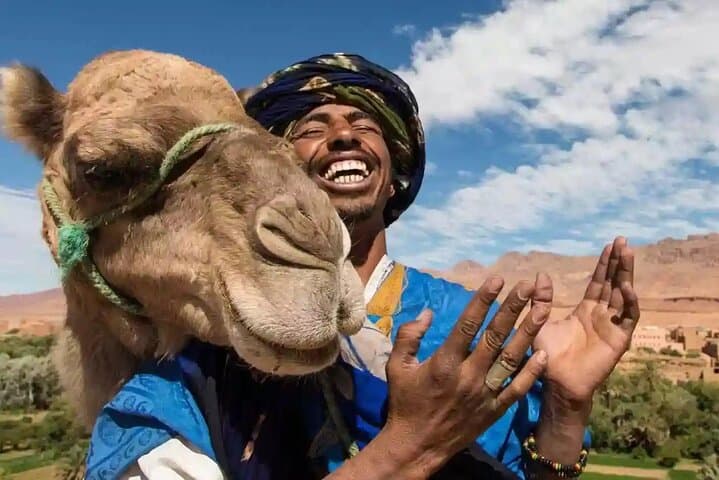
The Palmeraie dates back centuries as an irrigated oasis that supported agriculture and caravan traffic; it grew into the cultivated palm belt seen today, shaped by traditional khettara irrigation and later 19th–20th century estate development. Geologically, the area sits on alluvial soils fed by the Tensift basin; the palms indicate subterranean water and human-managed channels. Culturally, the ride is as much about meeting local handlers, seeing nearby Berber villages, and sharing a glass of mint tea as it is about the animals. Guides often offer traditional dress and staged photos—respectful participation rewards both memory and local micro-economies.
Practically: the experience is family-friendly and low-impact but requires steady footing when mounting and dismounting the camel. Bring sun protection, closed shoes, and a small bottle of water; rides move slowly but the sun is direct. Photography is easy, but ask before photographing people. Expect a short stop for Moroccan mint tea and a chance to browse simple handicrafts. The operator provides hotel pickup in an air-conditioned vehicle. For a compact, accessible taste of Moroccan landscape and culture, the Palmeraie camel ride pairs scenic calm with straightforward logistics.
easy.
1 hour.
Suitable for most fitness levels; must be able to climb onto the camel with assistance
Yes—this shared activity typically includes hotel pickup and drop-off in an air-conditioned vehicle; confirm your pickup point when booking.
Operators generally accommodate families and most adults, but inform the provider of any mobility issues or exact weights when booking for safety.
Wear modest, comfortable clothes that cover shoulders and knees for village stops, closed shoes for stability, and a hat for sun protection.
Yes—the one-hour itinerary includes a short traditional Moroccan mint-tea break and an opportunity to try local dress and take photos.
The Palmeraie is an irrigated palm oasis whose agricultural role dates back centuries; later development in the 19th–20th century added villas and organized tours.
The grove depends on managed irrigation and responsible tourism; stick to marked paths, avoid litter, and support local guides to minimize pressure on water and habitat.
Morocco Meeting tours operates guided outdoor trips and adventures with an emphasis on safety, stewardship, and memorable experiences.
The camel pads creak under you as palms lean overhead and dust motes spin in the warm Marrakech light. In the Palmeraie, a green ring of date palms on the city's outskirts, a one-hour shared camel ride feels like a deliberate pause—rhythmic, slow, and gently forward-moving. You clip in, settle into the swaying gait, and the city skyline recedes behind a fringe of trunks and irrigated fields.
The camel pads creak under you as palms lean overhead and dust motes spin in the warm Marrakech light. In the Palmeraie, a green ring of date palms on the city's outskirts, a one-hour shared camel ride feels like a deliberate pause—rhythmic, slow, and gently forward-moving. You clip in, settle into the swaying gait, and the city skyline recedes behind a fringe of trunks and irrigated fields.
The Palmeraie dates back centuries as an irrigated oasis that supported agriculture and caravan traffic; it grew into the cultivated palm belt seen today, shaped by traditional khettara irrigation and later 19th–20th century estate development. Geologically, the area sits on alluvial soils fed by the Tensift basin; the palms indicate subterranean water and human-managed channels. Culturally, the ride is as much about meeting local handlers, seeing nearby Berber villages, and sharing a glass of mint tea as it is about the animals. Guides often offer traditional dress and staged photos—respectful participation rewards both memory and local micro-economies.
Practically: the experience is family-friendly and low-impact but requires steady footing when mounting and dismounting the camel. Bring sun protection, closed shoes, and a small bottle of water; rides move slowly but the sun is direct. Photography is easy, but ask before photographing people. Expect a short stop for Moroccan mint tea and a chance to browse simple handicrafts. The operator provides hotel pickup in an air-conditioned vehicle. For a compact, accessible taste of Moroccan landscape and culture, the Palmeraie camel ride pairs scenic calm with straightforward logistics.