THE ADVENTURE COLLECTIVE® · Independent discovery and booking for outdoor travel

Spend three hours riding camels through Marrakech’s historic Palmeraie, where 11th-century palms, low sand tracks and local tea tents offer a calm, culturally textured escape from the city. Ideal for first-time riders and families, this accessible outing emphasizes steady pace, shade and hands-on local hospitality.
Spend three hours riding camels through Marrakech’s historic Palmeraie, where 11th-century palms, low sand tracks and local tea tents offer a calm, culturally textured escape from the city. Ideal for first-time riders and families, this accessible outing emphasizes steady pace, shade and hands-on local hospitality.
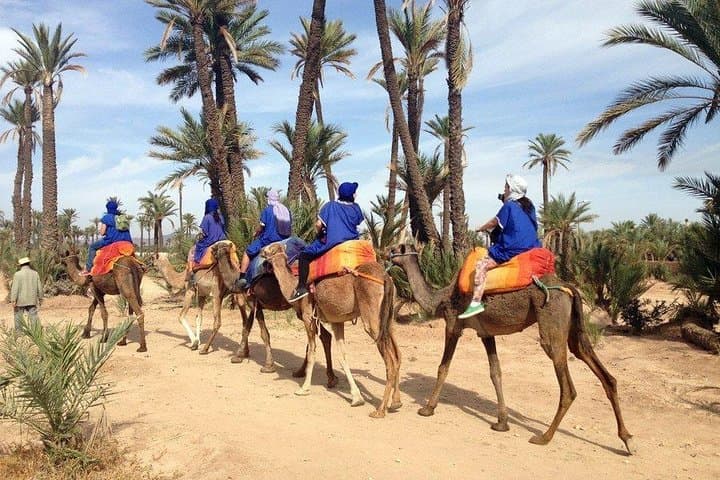
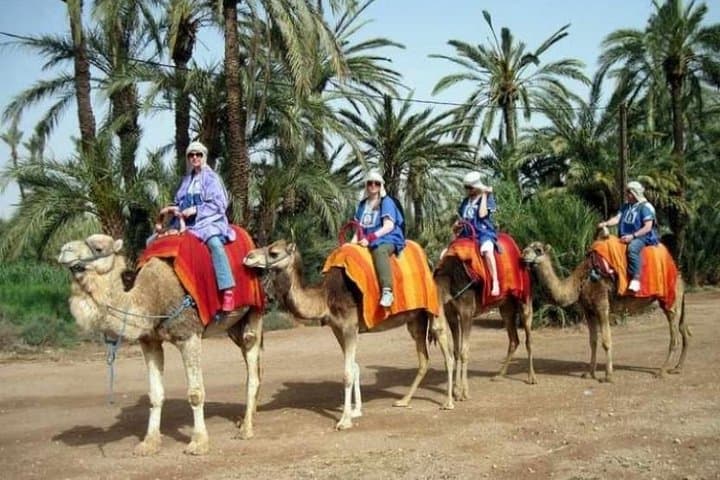
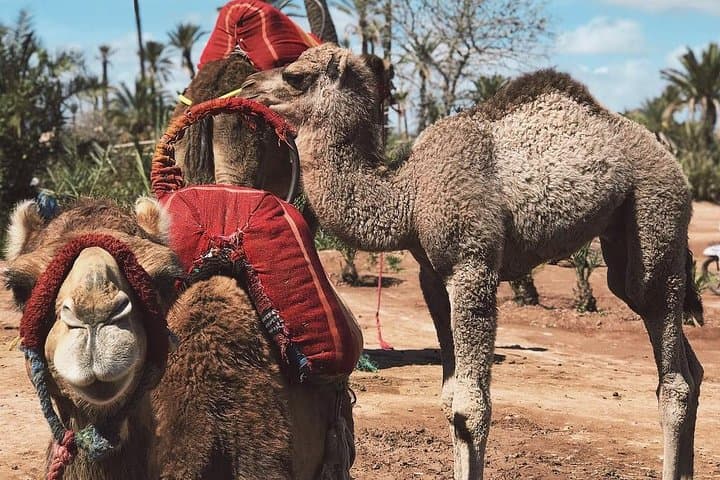
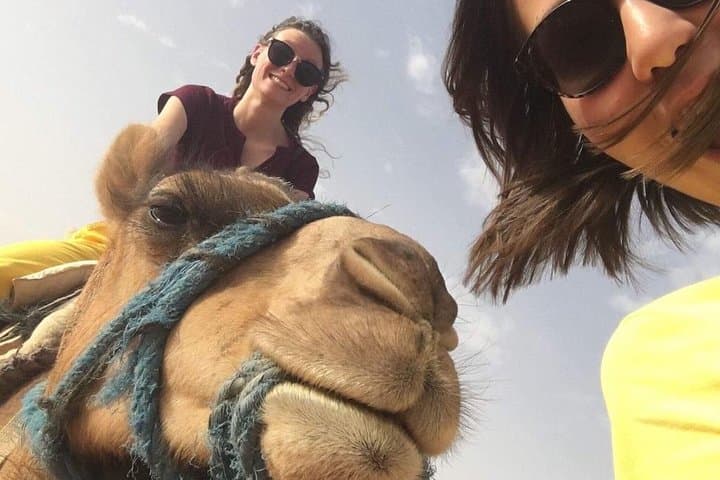
The sun slides low over rows of tall date palms as your camel rises with a gentle, swaying gait — the Palmeraie of Marrakech stretches out, green and deliberate against the ochre city.
Verified experiences and guided adventures in the surrounding area.
Operated by The Moroccan Trip Planner · Marrakech, Marrakesh-Safi
The sun slides low over rows of tall date palms as your camel rises with a gentle, swaying gait — the Palmeraie of Marrakech stretches out, green and deliberate against the ochre city.
This three-hour excursion takes you into a historic palm plantation that dates back to the 11th century, originally planted to shade caravan routes and supply dates to the city. Geologically the grove sits on the Haouz plain, a flat alluvial basin that contrasts with the nearby red-rock ridgelines of the Atlas foothills. Locals still tend plots among the palms; you’ll often pass small tea tents where mint tea is poured and Berber gandora robes flap in the breeze.
Expect quiet tracks, soft sand underfoot and the steady rhythm of camel travel rather than fast-paced hiking. The palms create pockets of cool shade; birds call from the fronds and the occasional lizard slips between sunlit roots. Cultural touches — the offered cheich (headscarf) and gandora — connect the ride to Moroccan traditions and provide practical sun protection.
Practical guidance: arrive hydrated and with sun protection; closed-toe shoes and a low pack keep sand out of footwear. The ride is suitable for first-time camel riders and families; handlers lead camels and offer basic instruction. Photography is easy but be mindful of portraits — always ask before photographing people.
Timing a late-afternoon departure yields the best light and cooler temperatures. The route is short and accessible, a calm way to experience the palms, local hospitality, and a different pace of travel just outside Marrakech.
easy.
3 hours.
Suitable for most fitness levels; requires only the ability to mount and sit comfortably on a camel for short stretches.
Yes — most operators allow children and offer guidance; infants may be required to sit on a guardian’s lap.
The full activity is about three hours total, including transfer and tea stops; the mounted portion is shorter and at a steady pace.
No prior experience is required; handlers lead camels and give simple mounting and safety instructions.
Most bookings include air-conditioned transfer from central Marrakech pickup points — confirm your pickup location when booking.
The Palmeraie was developed from the 11th century onward to shade caravan routes and supply dates to Marrakech; it remains an important cultural landscape.
Urban expansion and water use have stressed the grove; choose operators that support low-impact routes and local communities to reduce pressure.
The Moroccan Trip Planner operates guided outdoor trips and adventures with an emphasis on safety, stewardship, and memorable experiences.
The sun slides low over rows of tall date palms as your camel rises with a gentle, swaying gait — the Palmeraie of Marrakech stretches out, green and deliberate against the ochre city.
The sun slides low over rows of tall date palms as your camel rises with a gentle, swaying gait — the Palmeraie of Marrakech stretches out, green and deliberate against the ochre city.
This three-hour excursion takes you into a historic palm plantation that dates back to the 11th century, originally planted to shade caravan routes and supply dates to the city. Geologically the grove sits on the Haouz plain, a flat alluvial basin that contrasts with the nearby red-rock ridgelines of the Atlas foothills. Locals still tend plots among the palms; you’ll often pass small tea tents where mint tea is poured and Berber gandora robes flap in the breeze.
Expect quiet tracks, soft sand underfoot and the steady rhythm of camel travel rather than fast-paced hiking. The palms create pockets of cool shade; birds call from the fronds and the occasional lizard slips between sunlit roots. Cultural touches — the offered cheich (headscarf) and gandora — connect the ride to Moroccan traditions and provide practical sun protection.
Practical guidance: arrive hydrated and with sun protection; closed-toe shoes and a low pack keep sand out of footwear. The ride is suitable for first-time camel riders and families; handlers lead camels and offer basic instruction. Photography is easy but be mindful of portraits — always ask before photographing people.
Timing a late-afternoon departure yields the best light and cooler temperatures. The route is short and accessible, a calm way to experience the palms, local hospitality, and a different pace of travel just outside Marrakech.