THE ADVENTURE COLLECTIVE® · Independent discovery and booking for outdoor travel

Spend an hour riding camels through Marrakech’s historic Palmeraie, passing small villages and stopping for traditional Moroccan tea. This easy, guided experience combines simple desert travel with local culture and hotel pickup.
Spend an hour riding camels through Marrakech’s historic Palmeraie, passing small villages and stopping for traditional Moroccan tea. This easy, guided experience combines simple desert travel with local culture and hotel pickup.
The sun tilts low over a spread of date palms as a line of camels pads through sandy lanes—warm air scented with dust and citrus, villagers pausing at courtyard gates to watch the procession. An hour in Marrakech's Palmeraie is a study in contrasts: engineered irrigation feeding an ancient oasis, the geometric trunks of palms giving way to corkscrew paths that guide each camel and rider.
Verified experiences and guided adventures in the surrounding area.
Operated by MARRAKECH CONCIERGE TOUR · Marrakech, Marrakech-Safi
The sun tilts low over a spread of date palms as a line of camels pads through sandy lanes—warm air scented with dust and citrus, villagers pausing at courtyard gates to watch the procession. An hour in Marrakech's Palmeraie is a study in contrasts: engineered irrigation feeding an ancient oasis, the geometric trunks of palms giving way to corkscrew paths that guide each camel and rider.
The palm grove dates back centuries as a working oasis, expanded through successive dynasties that shaped water channels and settlement patterns. Geologically the Palmeraie sits on alluvial soil at the edge of the Haouz plain; culturally the ride crosses Berber and Arabic farming plots and the outskirts of modern Marrakech, where small markets and kasbah-style homes still serve local life.
Practicalities are straightforward: expect a guided, hour-long camel experience with a tea break and hotel pickup and drop-off. Camels move slowly—this is observational travel as much as it is locomotion—so bring sun protection, a secure camera, and shoes that handle sand. Midday heat can be intense; early morning or late afternoon rides offer cooler light and softer temperatures.
Respect for animal welfare and local customs matters—ask your guide about tack and treatment, and accept invitations to taste mint tea as part of local hospitality. For first-time riders, the gentle sway becomes meditative; for photographers, the avenues of palms frame long shadows and reveal village life in small, evocative gestures. This is an easy, accessible way to touch a working Moroccan landscape without straying far from the city.
easy.
1 hour.
Suitable for most fitness levels; ability to mount a camel with assistance is required
No—this is a gentle camel ride suitable for first-timers; guides assist with mounting and positioning.
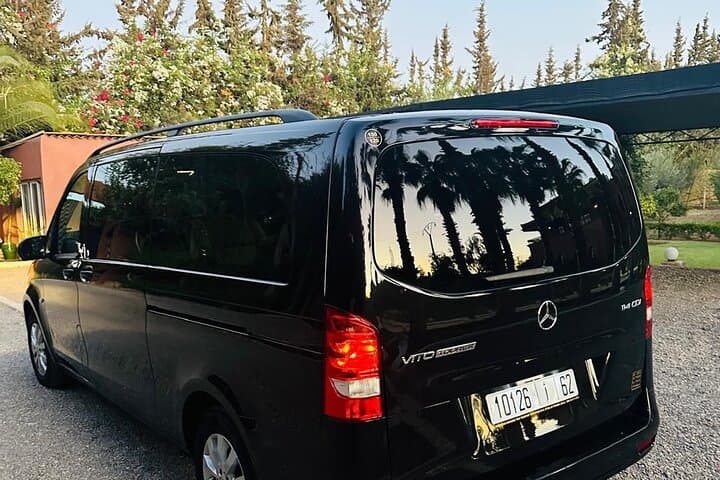
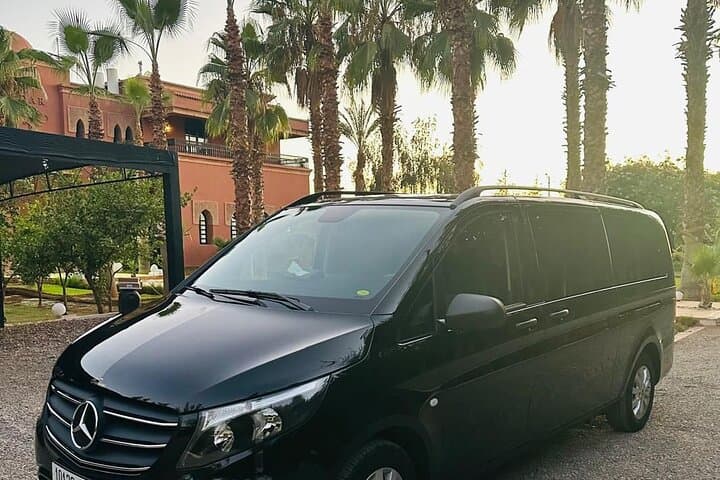
Yes—this private tour includes hotel pick up and drop off by air-conditioned vehicle.
Children are typically allowed; infant seats are available for vehicle transfers but check operator age/weight limits for camels.
Tipping is customary—small amounts of local currency (equivalent of a few dollars) are appreciated for good service.
The Palmeraie is a managed date palm oasis whose irrigation and plots evolved over centuries, serving Marrakech as both agricultural reserve and retreat.
Water management is critical in the oasis; choose operators that minimize disturbance to palms and practice humane treatment of camels to support long-term sustainability.
MARRAKECH CONCIERGE TOUR operates guided outdoor trips and adventures with an emphasis on safety, stewardship, and memorable experiences.

The sun tilts low over a spread of date palms as a line of camels pads through sandy lanes—warm air scented with dust and citrus, villagers pausing at courtyard gates to watch the procession. An hour in Marrakech's Palmeraie is a study in contrasts: engineered irrigation feeding an ancient oasis, the geometric trunks of palms giving way to corkscrew paths that guide each camel and rider.
The sun tilts low over a spread of date palms as a line of camels pads through sandy lanes—warm air scented with dust and citrus, villagers pausing at courtyard gates to watch the procession. An hour in Marrakech's Palmeraie is a study in contrasts: engineered irrigation feeding an ancient oasis, the geometric trunks of palms giving way to corkscrew paths that guide each camel and rider.
The palm grove dates back centuries as a working oasis, expanded through successive dynasties that shaped water channels and settlement patterns. Geologically the Palmeraie sits on alluvial soil at the edge of the Haouz plain; culturally the ride crosses Berber and Arabic farming plots and the outskirts of modern Marrakech, where small markets and kasbah-style homes still serve local life.
Practicalities are straightforward: expect a guided, hour-long camel experience with a tea break and hotel pickup and drop-off. Camels move slowly—this is observational travel as much as it is locomotion—so bring sun protection, a secure camera, and shoes that handle sand. Midday heat can be intense; early morning or late afternoon rides offer cooler light and softer temperatures.
Respect for animal welfare and local customs matters—ask your guide about tack and treatment, and accept invitations to taste mint tea as part of local hospitality. For first-time riders, the gentle sway becomes meditative; for photographers, the avenues of palms frame long shadows and reveal village life in small, evocative gestures. This is an easy, accessible way to touch a working Moroccan landscape without straying far from the city.