THE ADVENTURE COLLECTIVE® · Independent discovery and booking for outdoor travel

Ride a camel through Agadir’s coastal forests and riverbanks on a relaxed two‑hour excursion that pairs soft desert sand with riparian greenery. Ideal for families and first‑time riders, the tour mixes nature, local culture, and approachable terrain.
Ride a camel through Agadir’s coastal forests and riverbanks on a relaxed two‑hour excursion that pairs soft desert sand with riparian greenery. Ideal for families and first‑time riders, the tour mixes nature, local culture, and approachable terrain.
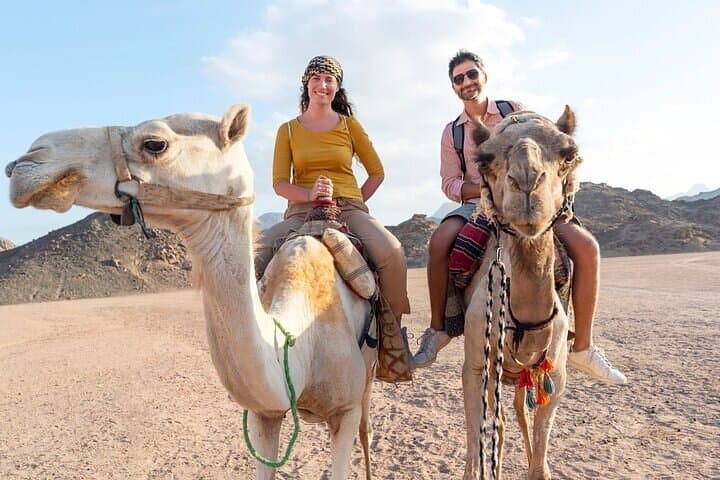
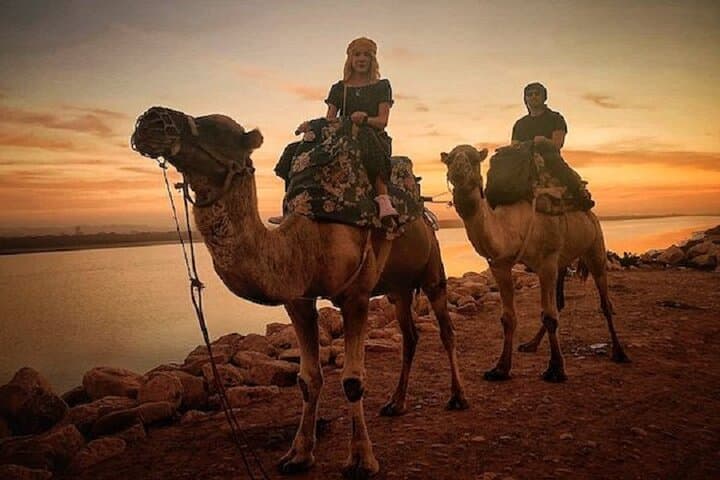
You climb into the saddle as the camel rocks forward with a slow, loping gait; the forest exhales, and the Souss river ahead seems to dare you toward its green bank. For two hours you move between stands of eucalyptus and low dunes where sand thins into riverine scrub. The cadence of the camel becomes a metronome—steady, forgiving—and the shoreline and trees alternate like chapters in a local story.
Verified experiences and guided adventures in the surrounding area.
Operated by Noun Travel · Agadir, Souss-Massa
You climb into the saddle as the camel rocks forward with a slow, loping gait; the forest exhales, and the Souss river ahead seems to dare you toward its green bank. For two hours you move between stands of eucalyptus and low dunes where sand thins into riverine scrub. The cadence of the camel becomes a metronome—steady, forgiving—and the shoreline and trees alternate like chapters in a local story.
This coastline near Agadir sits on ancient Atlantic terraces cut through with alluvial fans from the High Atlas. The area’s current landscape is shaped by seasonal rivers and wind-sculpted sand; human use ranges from traditional argan groves to modern coastal tourism. Local guides often share stories of Berber farming families and the historical role of traded salt and fish along this stretch of Morocco’s shore.
Expect intimate cultural exchanges: mint tea on a break, brief introductions to camel handling, and a guide who explains local customs and safety. The route is flat with compact sand and dirt tracks, minimal elevation, and easy footing for most riders. Helmets are provided; bring sturdy shoes, sun protection, and a reusable water bottle.
Practical points: vehicle pickup is usually included; rides accommodate families and beginners; the rhythm of the camel keeps the pace gentle but steady. Aim for morning or late afternoon to avoid heat, and keep a light windbreaker handy—coastal breezes can shift temperature quickly. Leave no trace: the banks and dunes here recover slowly, so stick to the route and respect grazing areas.
easy.
2–3 hours.
Suitable for most fitness levels; ability to mount and sit unassisted for ~2 hours required.
Yes; the tour accommodates families and infants may sit on an adult’s lap—check weight limits and safety rules with the operator in advance.
Yes, helmets and basic safety equipment are supplied and guides brief riders before departure.
Pickup and drop-off in an air-conditioned vehicle are typically included—confirm pickup point when you book.
The experience is labeled physically easy but is not wheelchair accessible; mounting may require a step and minimal mobility is needed.
This coastal corridor has long linked Berber agricultural communities and Atlantic fishing towns; camels were historically used for inland trade and short coastal work.
Riverside and dune habitats are sensitive; stick to established paths, avoid disturbing native shrubs, and follow guide instructions to reduce erosion and protect argan trees.
Noun Travel operates guided outdoor trips and adventures with an emphasis on safety, stewardship, and memorable experiences.
You climb into the saddle as the camel rocks forward with a slow, loping gait; the forest exhales, and the Souss river ahead seems to dare you toward its green bank. For two hours you move between stands of eucalyptus and low dunes where sand thins into riverine scrub. The cadence of the camel becomes a metronome—steady, forgiving—and the shoreline and trees alternate like chapters in a local story.
You climb into the saddle as the camel rocks forward with a slow, loping gait; the forest exhales, and the Souss river ahead seems to dare you toward its green bank. For two hours you move between stands of eucalyptus and low dunes where sand thins into riverine scrub. The cadence of the camel becomes a metronome—steady, forgiving—and the shoreline and trees alternate like chapters in a local story.
This coastline near Agadir sits on ancient Atlantic terraces cut through with alluvial fans from the High Atlas. The area’s current landscape is shaped by seasonal rivers and wind-sculpted sand; human use ranges from traditional argan groves to modern coastal tourism. Local guides often share stories of Berber farming families and the historical role of traded salt and fish along this stretch of Morocco’s shore.
Expect intimate cultural exchanges: mint tea on a break, brief introductions to camel handling, and a guide who explains local customs and safety. The route is flat with compact sand and dirt tracks, minimal elevation, and easy footing for most riders. Helmets are provided; bring sturdy shoes, sun protection, and a reusable water bottle.
Practical points: vehicle pickup is usually included; rides accommodate families and beginners; the rhythm of the camel keeps the pace gentle but steady. Aim for morning or late afternoon to avoid heat, and keep a light windbreaker handy—coastal breezes can shift temperature quickly. Leave no trace: the banks and dunes here recover slowly, so stick to the route and respect grazing areas.