THE ADVENTURE COLLECTIVE® · Independent discovery and booking for outdoor travel

Experience a two-hour camel caravan through Agadir’s eucalyptus fringes and coastal dunes at the mouth of the Oued Souss. Expect birdwatching, mild dunes and a hands-on glimpse of Berber camel culture — ideal for travelers seeking an accessible outdoor encounter.
Experience a two-hour camel caravan through Agadir’s eucalyptus fringes and coastal dunes at the mouth of the Oued Souss. Expect birdwatching, mild dunes and a hands-on glimpse of Berber camel culture — ideal for travelers seeking an accessible outdoor encounter.
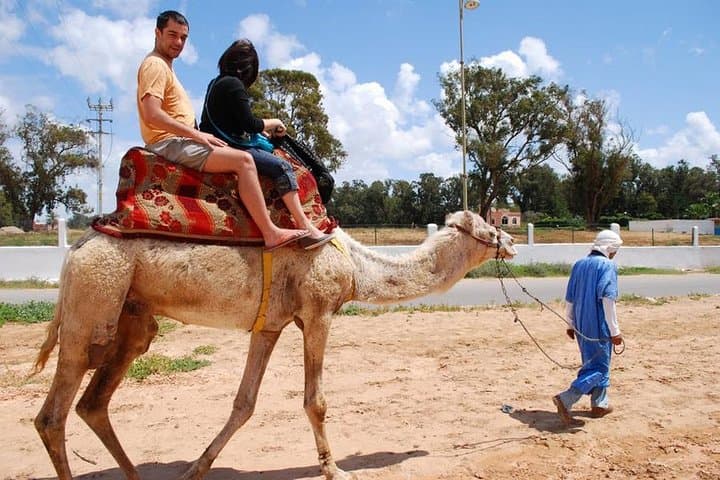
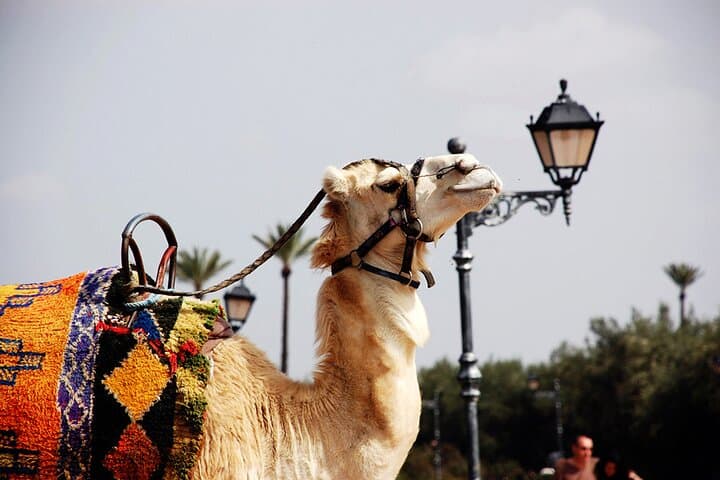
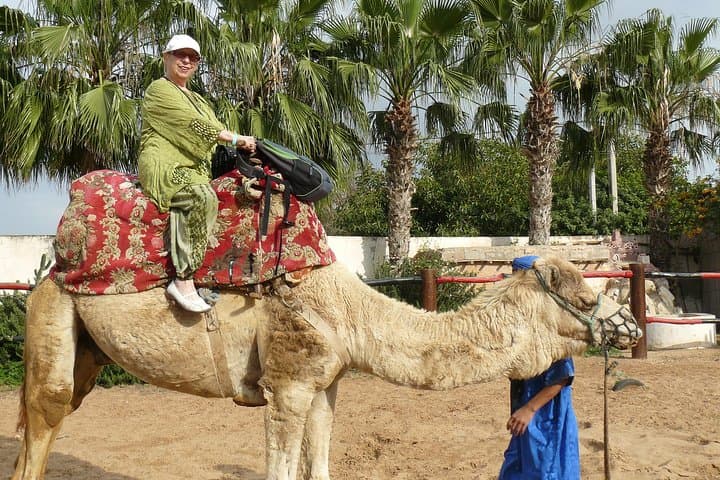
The caravan rocks into motion: camel hooves step soft over sand and needle-fall, eucalyptus scent sliding across the back of your neck as Agadir’s outskirts unfold. For two hours you move at a steady, ancient pace — a Sahara-style transit that feels more like a slow conversation with the land than a tour.
Verified experiences and guided adventures in the surrounding area.
Operated by IT'S 4 YOU TOURS · Agadir, Souss-Massa
The caravan rocks into motion: camel hooves step soft over sand and needle-fall, eucalyptus scent sliding across the back of your neck as Agadir’s outskirts unfold. For two hours you move at a steady, ancient pace — a Sahara-style transit that feels more like a slow conversation with the land than a tour.
This stretch sits where low coastal dunes meet the mouth of the Oued Souss. Geologically the area is recent coastal plain and river delta, shaped by seasonal floods and Atlantic swell. Culturally the dromedary is a living piece of Berber transport heritage; local drivers pass down handling techniques and simple desert lore as part of the ride. Birdlife makes the estuary lively: migratory pink flamingos and storks feed in shallow pools while freshwater turtles bask on the banks.
Expect a mix of packed sand, small dunes, and eucalyptus trails rather than extensive open desert; camels are kept off Agadir’s main beach, so the route follows protected dunes and river margins. Photographic moments are frequent — sunrise or late-afternoon light paints the grasses gold and the estuary glassy.
Practical guidance: wear closed-toe shoes and sun protection, bring water and motion-sickness awareness if you’re prone to it. Rides are typically private and include transport from Agadir; confirm pickup details. Respect wildlife by keeping noise low near the Oued Souss and follow your guide’s route to avoid fragile dune vegetation. The experience is moderate physically — mostly seated but with brief mounting/unmounting — and ideal for travelers wanting a compact introduction to coastal Morocco’s natural side.
moderate.
2 hours.
Moderate — able to sit on a camel for two hours, handle short stomps on sand, and mount/dismount with assistance
The activity is approximately two hours, including time at the ranch to meet handlers and mount the camels.
Travelers should have moderate fitness; mounting requires some mobility. Infants may be accommodated with prior notice — check with the operator for child seating and safety rules.
Yes; the tour usually includes air-conditioned transport from Agadir outskirts — confirm your pickup point and time when booking.
Yes — the Oued Souss mouth attracts migratory birds including pink flamingos and storks, though sightings depend on season and water levels.
Camels have been used in southern Morocco for centuries as cargo and travel animals; local handlers keep traditional knowledge of caravan management and desert etiquette.
The Oued Souss estuary is an important wetland for migratory birds; visitors should stay on designated routes, avoid disturbing feeding areas and follow guide instructions to minimize impact.
IT'S 4 YOU TOURS operates guided outdoor trips and adventures with an emphasis on safety, stewardship, and memorable experiences.

The caravan rocks into motion: camel hooves step soft over sand and needle-fall, eucalyptus scent sliding across the back of your neck as Agadir’s outskirts unfold. For two hours you move at a steady, ancient pace — a Sahara-style transit that feels more like a slow conversation with the land than a tour.
The caravan rocks into motion: camel hooves step soft over sand and needle-fall, eucalyptus scent sliding across the back of your neck as Agadir’s outskirts unfold. For two hours you move at a steady, ancient pace — a Sahara-style transit that feels more like a slow conversation with the land than a tour.
This stretch sits where low coastal dunes meet the mouth of the Oued Souss. Geologically the area is recent coastal plain and river delta, shaped by seasonal floods and Atlantic swell. Culturally the dromedary is a living piece of Berber transport heritage; local drivers pass down handling techniques and simple desert lore as part of the ride. Birdlife makes the estuary lively: migratory pink flamingos and storks feed in shallow pools while freshwater turtles bask on the banks.
Expect a mix of packed sand, small dunes, and eucalyptus trails rather than extensive open desert; camels are kept off Agadir’s main beach, so the route follows protected dunes and river margins. Photographic moments are frequent — sunrise or late-afternoon light paints the grasses gold and the estuary glassy.
Practical guidance: wear closed-toe shoes and sun protection, bring water and motion-sickness awareness if you’re prone to it. Rides are typically private and include transport from Agadir; confirm pickup details. Respect wildlife by keeping noise low near the Oued Souss and follow your guide’s route to avoid fragile dune vegetation. The experience is moderate physically — mostly seated but with brief mounting/unmounting — and ideal for travelers wanting a compact introduction to coastal Morocco’s natural side.