THE ADVENTURE COLLECTIVE® · Independent discovery and booking for outdoor travel

Ride a camel beneath the shadow of the Great Pyramid, then trace ancient histories through the Egyptian Museum on a private eight-hour tour. Ideal for travelers who want an active, compact introduction to Giza’s monuments and Cairo’s premier antiquities collection.
Ride a camel beneath the shadow of the Great Pyramid, then trace ancient histories through the Egyptian Museum on a private eight-hour tour. Ideal for travelers who want an active, compact introduction to Giza’s monuments and Cairo’s premier antiquities collection.
Morning light slices across the Giza Plateau and the pyramids loom like carved mountains; a camel’s gait rocks you forward while wind pushes warm dust across the stones. This private eight-hour loop pairs a forty-minute window on the plateau—about 20–30 minutes in the saddle at a slow walking pace—with an afternoon at the Egyptian Museum downtown, where vitrines hold millennia of carved ivory, gold and funerary gear.
Verified experiences and guided adventures in the surrounding area.
Operated by Book My Egypt Tours · Giza, Giza Governorate
Morning light slices across the Giza Plateau and the pyramids loom like carved mountains; a camel’s gait rocks you forward while wind pushes warm dust across the stones. This private eight-hour loop pairs a forty-minute window on the plateau—about 20–30 minutes in the saddle at a slow walking pace—with an afternoon at the Egyptian Museum downtown, where vitrines hold millennia of carved ivory, gold and funerary gear.
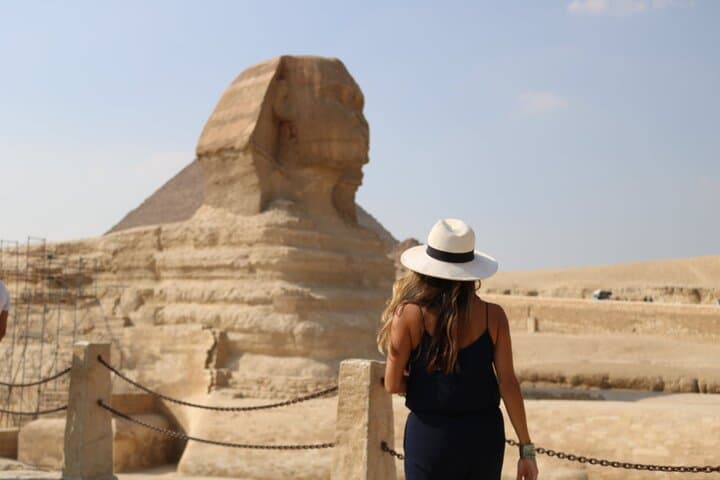
Geology here is simple and striking: the pyramids sit on Eocene limestone that was quarried locally to form their cores, and the plateau’s elevation gives uninterrupted sightlines to the three great monuments and the Great Sphinx. Culturally, the tour threads Pharaonic funerary practice to modern Cairo; the museum building itself dates to 1902 and houses objects from Predynastic through Greco-Roman Egypt.
Practical notes: hotel pickup in an air-conditioned vehicle starts the day; expect roughly 30 minutes riding time on camels with short walks on uneven, sandy ground. Bring cash for entrance fees and tips—some tickets may not be included. Wear closed-toe walking shoes, a hat and sunscreen; carry water even though bottled water is often provided. Respect handlers and animals: mount and dismount only under guide instruction. Photography is generally allowed at the plateau and in most museum rooms, but check for restricted exhibits.
Timing—early morning or late afternoon on the plateau avoids the hottest light and the busiest crowds. The route is suitable for most travelers without major mobility issues but involves getting on and off a camel and walking on rough stone and sand.
easy.
8 hours.
Suitable for most fitness levels; involves short walks on uneven terrain and mounting a camel.
Yes—handlers lead camels at a slow pace and will help mount and dismount; avoid if you have back, neck or pregnancy restrictions.
Some tour options include entrance fees, but verify at booking—many itineraries list admission as excluded and payable on site.
Small cameras are generally allowed; tripods or professional gear may be restricted—check museum rules or ask your guide in advance.
Tipping is customary for guides, drivers and camel handlers; carry small bills in local currency for convenience.
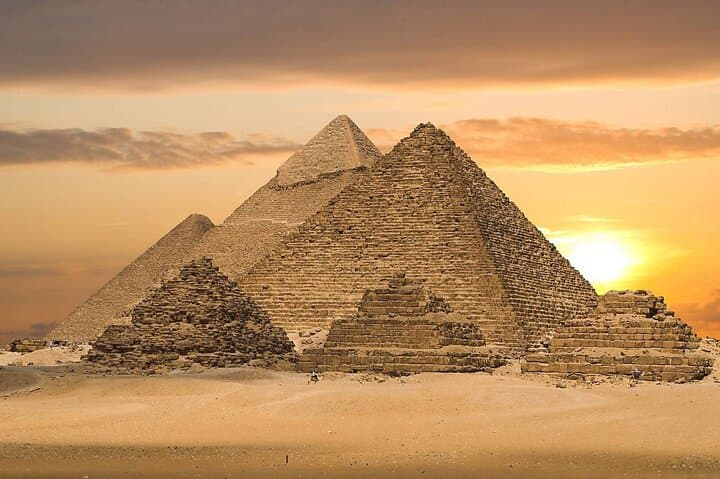
The plateau contains Fourth Dynasty tombs and the largest pyramids—Khufu, Khafre and Menkaure—built c.2613–2494 BC; the Egyptian Museum opened in 1902 to display pharaonic finds.
The Giza complex is part of the UNESCO World Heritage site; visitors should avoid climbing monuments, stick to marked paths and minimize litter to protect fragile archaeological surfaces.
Book My Egypt Tours operates guided outdoor trips and adventures with an emphasis on safety, stewardship, and memorable experiences.
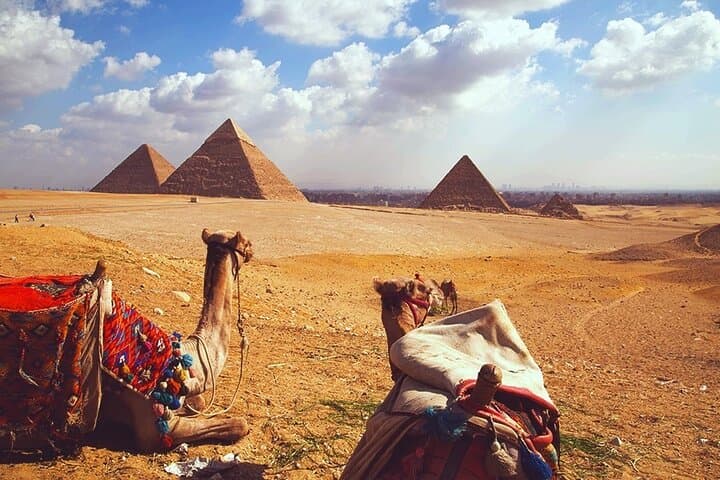
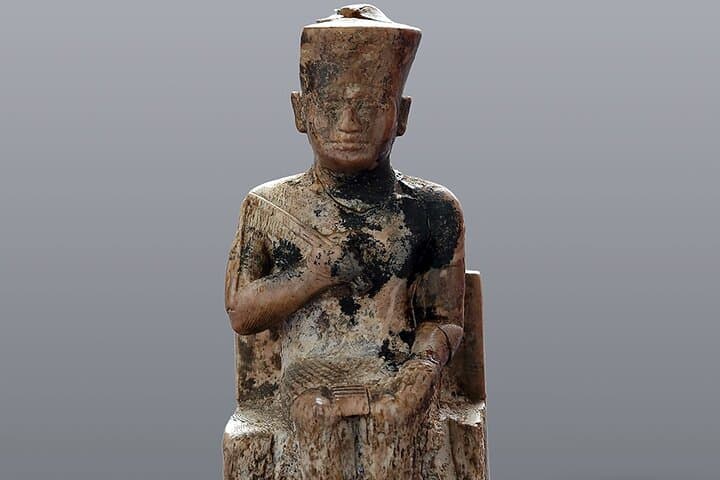
Morning light slices across the Giza Plateau and the pyramids loom like carved mountains; a camel’s gait rocks you forward while wind pushes warm dust across the stones. This private eight-hour loop pairs a forty-minute window on the plateau—about 20–30 minutes in the saddle at a slow walking pace—with an afternoon at the Egyptian Museum downtown, where vitrines hold millennia of carved ivory, gold and funerary gear.
Morning light slices across the Giza Plateau and the pyramids loom like carved mountains; a camel’s gait rocks you forward while wind pushes warm dust across the stones. This private eight-hour loop pairs a forty-minute window on the plateau—about 20–30 minutes in the saddle at a slow walking pace—with an afternoon at the Egyptian Museum downtown, where vitrines hold millennia of carved ivory, gold and funerary gear.
Geology here is simple and striking: the pyramids sit on Eocene limestone that was quarried locally to form their cores, and the plateau’s elevation gives uninterrupted sightlines to the three great monuments and the Great Sphinx. Culturally, the tour threads Pharaonic funerary practice to modern Cairo; the museum building itself dates to 1902 and houses objects from Predynastic through Greco-Roman Egypt.
Practical notes: hotel pickup in an air-conditioned vehicle starts the day; expect roughly 30 minutes riding time on camels with short walks on uneven, sandy ground. Bring cash for entrance fees and tips—some tickets may not be included. Wear closed-toe walking shoes, a hat and sunscreen; carry water even though bottled water is often provided. Respect handlers and animals: mount and dismount only under guide instruction. Photography is generally allowed at the plateau and in most museum rooms, but check for restricted exhibits.
Timing—early morning or late afternoon on the plateau avoids the hottest light and the busiest crowds. The route is suitable for most travelers without major mobility issues but involves getting on and off a camel and walking on rough stone and sand.