THE ADVENTURE COLLECTIVE® · Independent discovery and booking for outdoor travel

Mount a camel on the Giza Plateau and traverse the edge of the desert with the pyramids close at hand. This private, accessible ride pairs a short, steady journey with immediate access to one of the ancient world's most iconic sites.
Mount a camel on the Giza Plateau and traverse the edge of the desert with the pyramids close at hand. This private, accessible ride pairs a short, steady journey with immediate access to one of the ancient world's most iconic sites.
You step from an air‑conditioned car and the plateau opens: low limestone ridges, the Great Pyramid looming to the west, and a line of camels chewing quietly in the sun. A guide gestures, explains saddle fit and mounting, and the caravan eases forward — slow, rhythmic, like a living bridge to an older world.
Verified experiences and guided adventures in the surrounding area.
Operated by ToBadaa · Giza, Cairo Governorate
You step from an air‑conditioned car and the plateau opens: low limestone ridges, the Great Pyramid looming to the west, and a line of camels chewing quietly in the sun. A guide gestures, explains saddle fit and mounting, and the caravan eases forward — slow, rhythmic, like a living bridge to an older world.
The Giza Plateau sits on Pleistocene limestone and has been a focus of human craft for millennia; the pyramids date to roughly 4,500 years ago and were built as royal tombs. Camels arrived later as desert pack animals and now serve as a direct, tactile way to experience the desert margin next to Cairo. The Sphinx, quarry scars, and layers of burial architecture give the site a layered human geography that a short ride helps make immediate.
Expect a private guide, pickup and drop‑off in a private car, and a roughly 110‑minute activity window. The pace is gentle but uneven underfoot; mounts are calm but movement transmits through the spine, so anyone with back problems or who is pregnant should avoid the ride. Photography is constant — silhouettes of pyramids, close‑framed camel profiles — and the late morning light tends to flatten shadows, while golden hour offers stronger contrast.
Practically: wear sturdy closed shoes, bring sun protection and plenty of water, and plan extra time for negotiating tips and photos. The experience is short, sensory, and intensely place‑based: you are not just observing the pyramids, you are moving through the same desert margins that defined ancient movement and trade.
easy.
1–2 hours.
Suitable for most travelers in average health; be able to mount and dismount a camel and sit unaided for short periods.
The activity window is about 110 minutes including pickup and drop‑off; the on‑camel portion is shorter, typically 30–60 minutes depending on stops.
Transport and some surfaces are wheelchair accessible, but the camel mounting process is not; check accessibility needs with the operator in advance.
Infants can ride on laps and infant seats are available; operator policies vary by age and weight so confirm at booking.
Tipping is customary; prepare small cash for the guide and handlers based on service and group size.
The Pyramids of Giza were constructed during Egypt's Old Kingdom around 2600–2500 BCE and mark the site as a long‑standing ceremonial and funerary landscape.
The Giza Plateau faces pressure from tourism, urban expansion, and pollution; visitors should stick to designated paths, avoid climbing monuments, and minimize single‑use plastics.
ToBadaa operates guided outdoor trips and adventures with an emphasis on safety, stewardship, and memorable experiences.
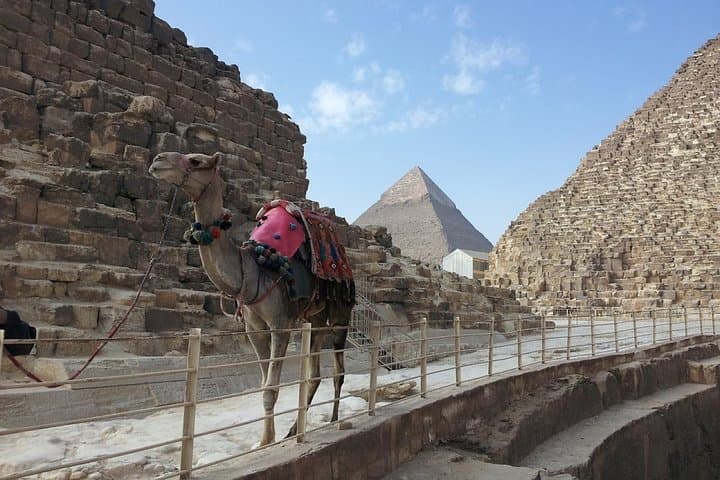
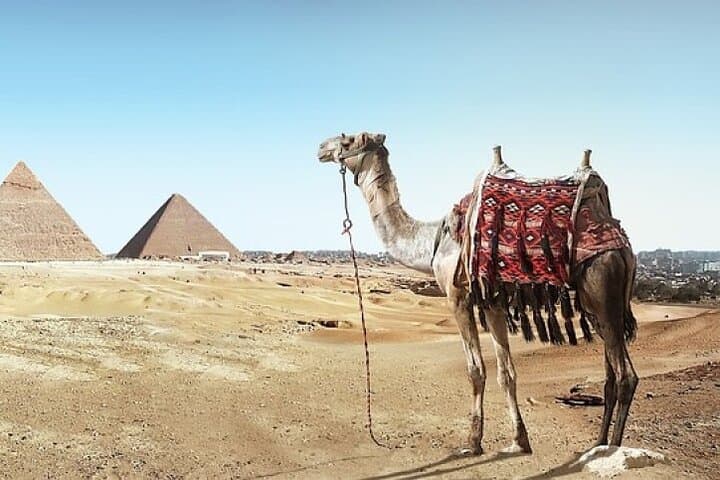
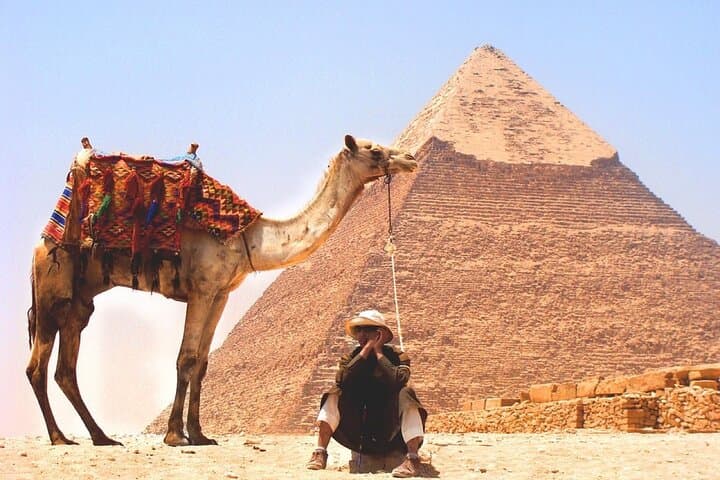
You step from an air‑conditioned car and the plateau opens: low limestone ridges, the Great Pyramid looming to the west, and a line of camels chewing quietly in the sun. A guide gestures, explains saddle fit and mounting, and the caravan eases forward — slow, rhythmic, like a living bridge to an older world.
You step from an air‑conditioned car and the plateau opens: low limestone ridges, the Great Pyramid looming to the west, and a line of camels chewing quietly in the sun. A guide gestures, explains saddle fit and mounting, and the caravan eases forward — slow, rhythmic, like a living bridge to an older world.
The Giza Plateau sits on Pleistocene limestone and has been a focus of human craft for millennia; the pyramids date to roughly 4,500 years ago and were built as royal tombs. Camels arrived later as desert pack animals and now serve as a direct, tactile way to experience the desert margin next to Cairo. The Sphinx, quarry scars, and layers of burial architecture give the site a layered human geography that a short ride helps make immediate.
Expect a private guide, pickup and drop‑off in a private car, and a roughly 110‑minute activity window. The pace is gentle but uneven underfoot; mounts are calm but movement transmits through the spine, so anyone with back problems or who is pregnant should avoid the ride. Photography is constant — silhouettes of pyramids, close‑framed camel profiles — and the late morning light tends to flatten shadows, while golden hour offers stronger contrast.
Practically: wear sturdy closed shoes, bring sun protection and plenty of water, and plan extra time for negotiating tips and photos. The experience is short, sensory, and intensely place‑based: you are not just observing the pyramids, you are moving through the same desert margins that defined ancient movement and trade.