THE ADVENTURE COLLECTIVE® · Independent discovery and booking for outdoor travel

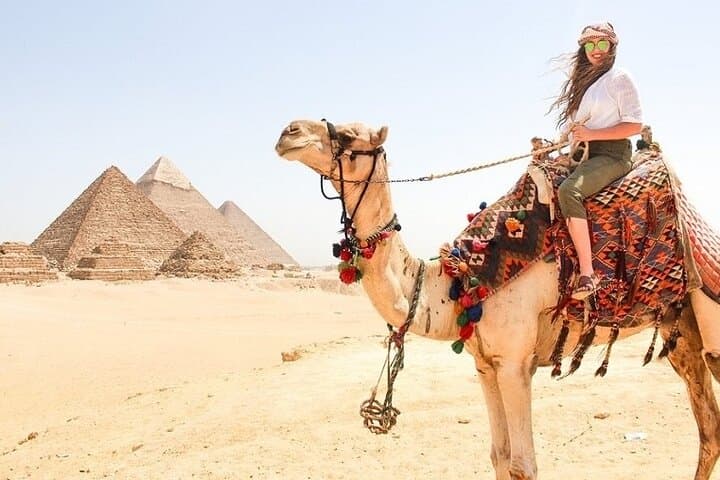
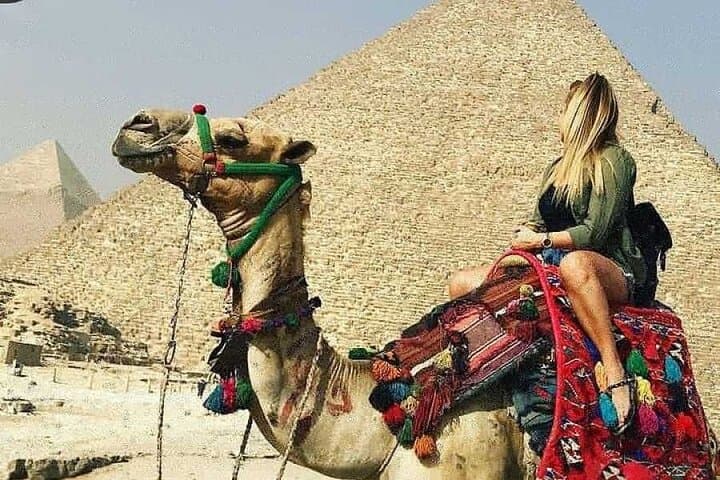
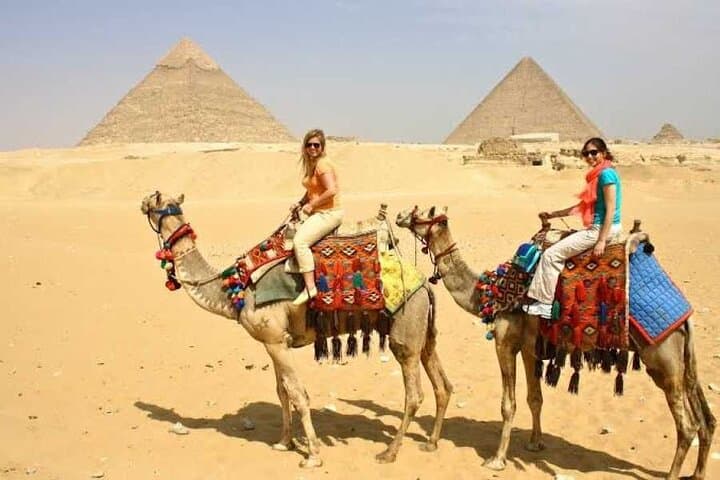
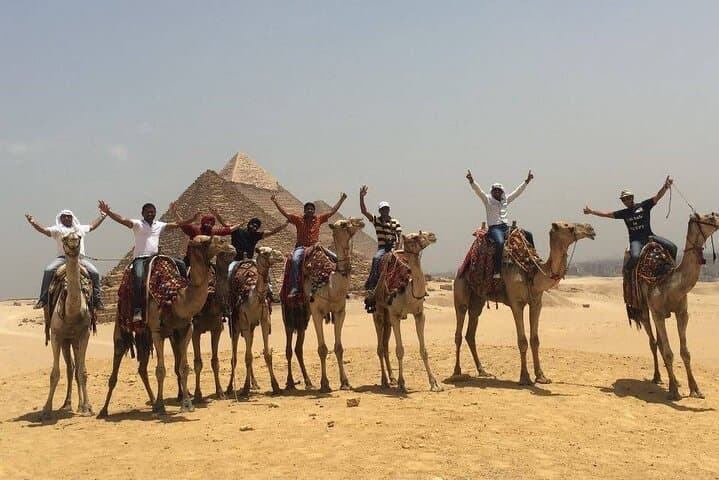
Ride a dromedary around the permitted desert fringe of the Giza Plateau for one hour, framed by the pyramids’ stark profiles. Ideal for early-morning light, this short guided excursion combines easy physical demand with rich historical context.
Ride a dromedary around the permitted desert fringe of the Giza Plateau for one hour, framed by the pyramids’ stark profiles. Ideal for early-morning light, this short guided excursion combines easy physical demand with rich historical context.
The sun lifts slowly over the Giza Plateau, turning ancient limestone a muted gold as a camel’s breath fogs the cool morning air.
Verified experiences and guided adventures in the surrounding area.
Operated by Book My Egypt Tours · Giza, Giza Governorate
The sun lifts slowly over the Giza Plateau, turning ancient limestone a muted gold as a camel’s breath fogs the cool morning air.
You climb a broad-backed dromedary and move away from the organized bustle near the ticket booths into the allowed desert fringe, where the pyramids cut precise silhouettes against the horizon. The herd’s rhythm sets the pace; sand nudges at your ankles and the wind keeps the silence honest.
This place is layered history — the Great Pyramid of Khufu, built around 2560 BCE, sits within a human-made plateau of quarried limestone and desert deposits shaped by the Nile’s long reach. Local camel handlers, many from families long associated with the site, combine oral lore with practical navigation across the sand.
Geology here is simple and stark: bedrock under a thin veneer of wind-blown sand, making the plateau firm but uneven. Culturally, expect a mix of tourism infrastructure and traditional practices; handlers will offer context, photo stops, and directions about permitted routes.
For practical planning: rides run roughly one hour and operate in the permitted desert outside the archaeological complex (riding inside the core site is prohibited). Book early-morning or late-afternoon slots to avoid heat; bring sun protection, a reusable water bottle, and closed-toe shoes. Avoid heavy backpacks and heed health restrictions — the activity isn’t recommended for pregnant travelers or those with spinal or cardiovascular issues.
Follow your guide’s directions, tip handlers fairly, and leave no trace: the plateau’s endurance depends on respectful, low-impact visits.
easy.
1 hour.
Minimal fitness required; able to mount and sit comfortably for 60 minutes
No — Egyptian authorities prohibit camels and quad bikes inside the core archaeological complex; tours operate in the permitted desert areas surrounding the pyramids.
The advertised experience is one hour on a camel, including time for photo stops and a short orientation with your handler.
Children can ride with supervision but the activity is not recommended for those with spinal injuries, serious cardiovascular conditions, or pregnant travelers.
Tipping is customary; bring small local currency notes and tip based on service and any extra assistance with photos or guidance.
The Giza Plateau holds the pyramids of Khufu, Khafre and Menkaure, constructed during Egypt’s Fourth Dynasty (c. 2600–2500 BCE) and later recognized as a UNESCO World Heritage site.
Operators are required to stay outside the core archaeological zone; visitors should avoid littering, respect local rules, and support fair pay for handlers to reduce pressure on the site.
Book My Egypt Tours operates guided outdoor trips and adventures with an emphasis on safety, stewardship, and memorable experiences.
The sun lifts slowly over the Giza Plateau, turning ancient limestone a muted gold as a camel’s breath fogs the cool morning air.
The sun lifts slowly over the Giza Plateau, turning ancient limestone a muted gold as a camel’s breath fogs the cool morning air.
You climb a broad-backed dromedary and move away from the organized bustle near the ticket booths into the allowed desert fringe, where the pyramids cut precise silhouettes against the horizon. The herd’s rhythm sets the pace; sand nudges at your ankles and the wind keeps the silence honest.
This place is layered history — the Great Pyramid of Khufu, built around 2560 BCE, sits within a human-made plateau of quarried limestone and desert deposits shaped by the Nile’s long reach. Local camel handlers, many from families long associated with the site, combine oral lore with practical navigation across the sand.
Geology here is simple and stark: bedrock under a thin veneer of wind-blown sand, making the plateau firm but uneven. Culturally, expect a mix of tourism infrastructure and traditional practices; handlers will offer context, photo stops, and directions about permitted routes.
For practical planning: rides run roughly one hour and operate in the permitted desert outside the archaeological complex (riding inside the core site is prohibited). Book early-morning or late-afternoon slots to avoid heat; bring sun protection, a reusable water bottle, and closed-toe shoes. Avoid heavy backpacks and heed health restrictions — the activity isn’t recommended for pregnant travelers or those with spinal or cardiovascular issues.
Follow your guide’s directions, tip handlers fairly, and leave no trace: the plateau’s endurance depends on respectful, low-impact visits.