THE ADVENTURE COLLECTIVE® · Independent discovery and booking for outdoor travel

Ride a camel across the Giza Plateau to see Khufu, Khafre and Menkaure up close, visit the Great Sphinx and the Valley Temple, and end at a panoramic viewpoint where the pyramids align. This 4-hour private tour balances gentle adventure with deep history.
Ride a camel across the Giza Plateau to see Khufu, Khafre and Menkaure up close, visit the Great Sphinx and the Valley Temple, and end at a panoramic viewpoint where the pyramids align. This 4-hour private tour balances gentle adventure with deep history.
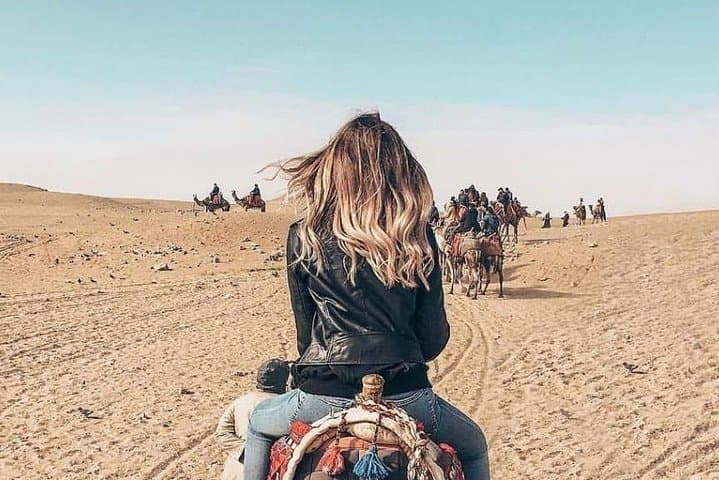
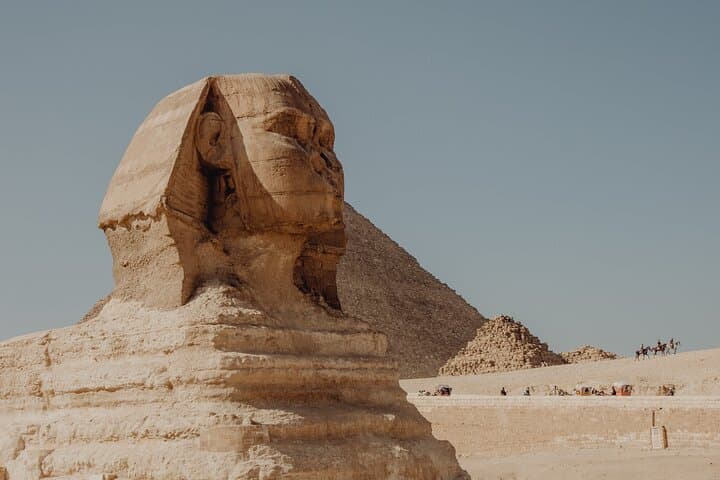
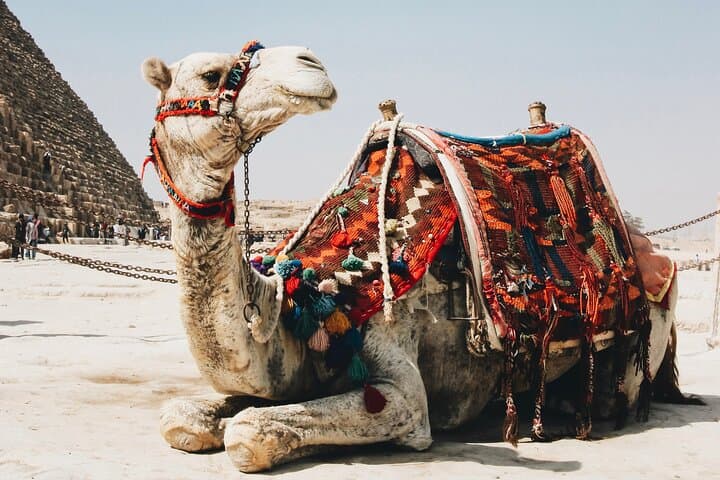
Sunlight slants across the Giza Plateau as a caravan of camels rocks forward, hooves whispering on wind-packed sand. From the saddle the Great Pyramid rises like a deliberate ruin; the Sphinx watches with compact, sandblown dignity. For about 2–2.5 hours on camelback and an extra hour on foot, this tour threads you through the main monuments—Khufu (Cheops), Khafre (Chephren), Menkaure (Mykerinus), the Great Sphinx and the Valley Temple—before a panoramic stop where nine smaller pyramids punctuate the horizon.
Verified experiences and guided adventures in the surrounding area.
Operated by This Is Egypt Aswan · Giza, Giza Governorate
Sunlight slants across the Giza Plateau as a caravan of camels rocks forward, hooves whispering on wind-packed sand. From the saddle the Great Pyramid rises like a deliberate ruin; the Sphinx watches with compact, sandblown dignity. For about 2–2.5 hours on camelback and an extra hour on foot, this tour threads you through the main monuments—Khufu (Cheops), Khafre (Chephren), Menkaure (Mykerinus), the Great Sphinx and the Valley Temple—before a panoramic stop where nine smaller pyramids punctuate the horizon.
The stones here date to Egypt’s Fourth Dynasty (c. 2600–2500 BCE); the plateau is limestone capped by wind-polished desert sediment. Culturally, the site remains active: guides recite pharaonic funerary function while local workers tend small stalls and camel handlers manage animals that have been part of desert transport for millennia.
Expect sandy, mostly flat terrain with short, firm climbs around the pyramid bases—elevation change is minimal (generally under 100 m), but loose sand makes footing unpredictable. Distances covered on the camel route are typically 2–4 km; wear closed-toe shoes and prepare for sun, dust and occasional gusts.
Practically: go early or late afternoon to avoid peak sun and crowds, carry water and sunscreen, and agree a price and route with your handler beforehand. Photography is excellent at golden hour; keep modest clothing out of respect for local customs and tip handlers locally. This is an accessible, sensory-rich way to meet one of the world’s oldest landscapes while moving at the slow, deliberate rhythm of the desert.
easy.
4 hours.
Suitable for most fitness levels; basic balance for camel riding and short walks around uneven terrain.
The camel ride portion is typically about 2–2.5 hours as part of a 4-hour private tour, with additional walking stops at main monuments.
This tour itinerary notes admission is included for the main sites visited, but confirm with the operator if you want access inside specific pyramid chambers.
Yes—handlers lead camels and rides are paced; riders should be able to mount and dismount with assistance and follow handler instructions.
Lightweight, modest clothing that covers shoulders and knees is recommended; closed-toe shoes for walking and a scarf or hat for sun protection.
The Giza complex was built during Egypt’s Fourth Dynasty (c. 2600–2500 BCE) as funerary monuments for pharaohs Khufu, Khafre and Menkaure.
High visitor volumes and erosion from foot traffic pressure the plateau; stick to designated paths, avoid climbing monuments and support local conservation fees where offered.
This Is Egypt Aswan operates guided outdoor trips and adventures with an emphasis on safety, stewardship, and memorable experiences.

Sunlight slants across the Giza Plateau as a caravan of camels rocks forward, hooves whispering on wind-packed sand. From the saddle the Great Pyramid rises like a deliberate ruin; the Sphinx watches with compact, sandblown dignity. For about 2–2.5 hours on camelback and an extra hour on foot, this tour threads you through the main monuments—Khufu (Cheops), Khafre (Chephren), Menkaure (Mykerinus), the Great Sphinx and the Valley Temple—before a panoramic stop where nine smaller pyramids punctuate the horizon.
Sunlight slants across the Giza Plateau as a caravan of camels rocks forward, hooves whispering on wind-packed sand. From the saddle the Great Pyramid rises like a deliberate ruin; the Sphinx watches with compact, sandblown dignity. For about 2–2.5 hours on camelback and an extra hour on foot, this tour threads you through the main monuments—Khufu (Cheops), Khafre (Chephren), Menkaure (Mykerinus), the Great Sphinx and the Valley Temple—before a panoramic stop where nine smaller pyramids punctuate the horizon.
The stones here date to Egypt’s Fourth Dynasty (c. 2600–2500 BCE); the plateau is limestone capped by wind-polished desert sediment. Culturally, the site remains active: guides recite pharaonic funerary function while local workers tend small stalls and camel handlers manage animals that have been part of desert transport for millennia.
Expect sandy, mostly flat terrain with short, firm climbs around the pyramid bases—elevation change is minimal (generally under 100 m), but loose sand makes footing unpredictable. Distances covered on the camel route are typically 2–4 km; wear closed-toe shoes and prepare for sun, dust and occasional gusts.
Practically: go early or late afternoon to avoid peak sun and crowds, carry water and sunscreen, and agree a price and route with your handler beforehand. Photography is excellent at golden hour; keep modest clothing out of respect for local customs and tip handlers locally. This is an accessible, sensory-rich way to meet one of the world’s oldest landscapes while moving at the slow, deliberate rhythm of the desert.