THE ADVENTURE COLLECTIVE® · Independent discovery and booking for outdoor travel

Ride a camel across the open sand of the Giza Plateau as the pyramids shift from shadow to stone. This guided 1-hour loop at sunrise or sunset combines safe handling, hotel transfers and unforgettable vistas of the Great Pyramids.
Ride a camel across the open sand of the Giza Plateau as the pyramids shift from shadow to stone. This guided 1-hour loop at sunrise or sunset combines safe handling, hotel transfers and unforgettable vistas of the Great Pyramids.
You climb into the raw light of the desert as the camel rises beneath you; the sand seems to tug the horizon toward the trio of pyramids, and the wind finds its own way to move memories across the plateau. Whether you come at sunrise or sunset, the Great Pyramid, Khafre and Menkaure move from silhouettes to sculpted forms, casting long, honest shadows that make the past feel immediate.
Verified experiences and guided adventures in the surrounding area.
Operated by Egyptian Daily Tours · Giza, Giza Governorate
You climb into the raw light of the desert as the camel rises beneath you; the sand seems to tug the horizon toward the trio of pyramids, and the wind finds its own way to move memories across the plateau. Whether you come at sunrise or sunset, the Great Pyramid, Khafre and Menkaure move from silhouettes to sculpted forms, casting long, honest shadows that make the past feel immediate.
The Giza Plateau has been a human stage for four and a half millennia—limestone blocks cut from local quarries, builders organized by pharaohs, and a landscape shaped by the Nile’s ancient floods. Geologically, you’re riding on wind-blown sands over Pleistocene terraces; culturally, you’re passing through an urban fringe where Bedouin camel handlers, tourism guides and modern Cairo meet.
Expect a guided one-hour camel loop that keeps you on the desert edge for unobstructed views. Your guide and a camel handler will manage mounts, routes and safety; the route avoids busy streets and aims for open sand where the pyramids dominate the scene. Weather shifts here are decisive: sun bakes by day and chill arrives after dusk.
Practical notes: wear closed-toe shoes, sun protection and a light layer for cool mornings; secure cameras with straps; carry small change for tips. Health restrictions apply for pregnant travelers and those with spinal or serious heart conditions. Pickup and drop-off from Cairo hotels is typical; confirm whether pyramid access or museum entry is included—most camel rides do not include internal pyramid tickets.
easy.
2 hours (including transfers and 1-hour ride).
Suitable for most people who can mount a camel and sit upright for an hour; not strenuous but requires basic mobility
No—most camel rides offer viewing from the plateau only; internal pyramid or museum tickets must be bought separately at official sites or through your guide.
Generally yes—rides are classified as easy, but mounting and dismounting require basic mobility; children should be supervised and operators may set age limits.
This tour is not recommended for pregnant travelers or those with serious spinal or cardiovascular conditions; check with your operator and health provider if unsure.
Operators typically pick up from Cairo-area hotels about 45–60 minutes before sunrise to allow transit and stable light; confirm exact times when booking.
The Giza Plateau was a royal funerary landscape built around 2600–2500 BCE; the pyramids were part of a larger necropolis including worker villages and mastaba tombs.
High visitor numbers and informal trails can erode sites; stick to established paths, avoid climbing monuments and follow your guide’s instructions to minimize impact.
Egyptian Daily Tours operates guided outdoor trips and adventures with an emphasis on safety, stewardship, and memorable experiences.
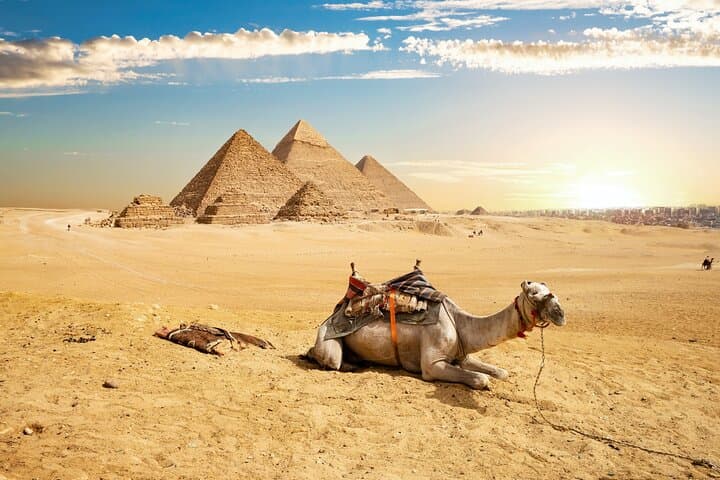
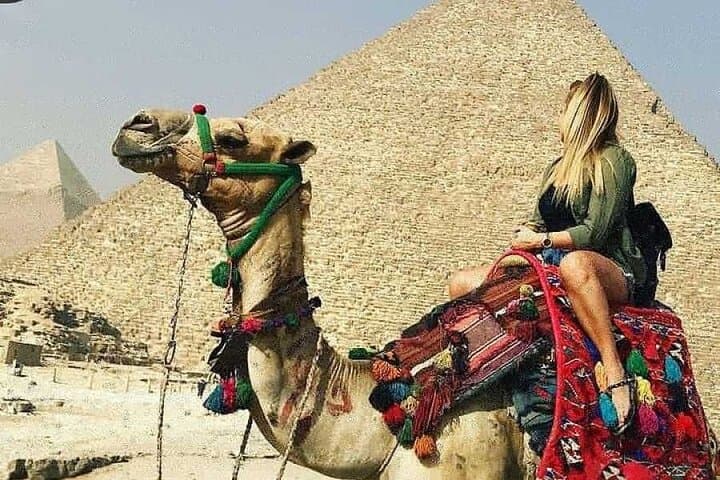
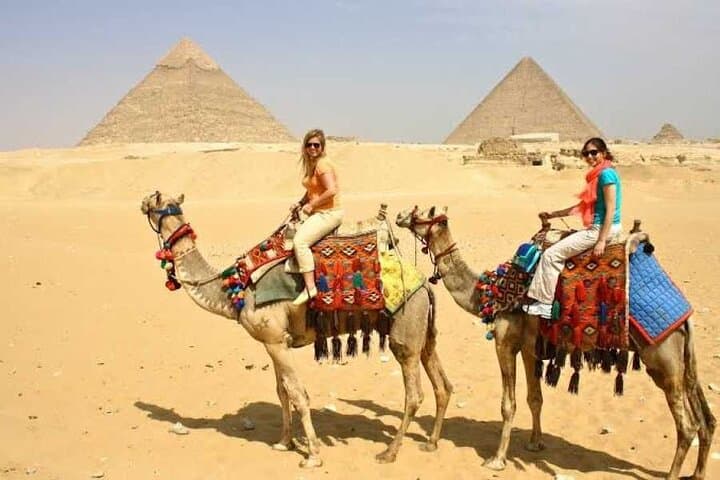
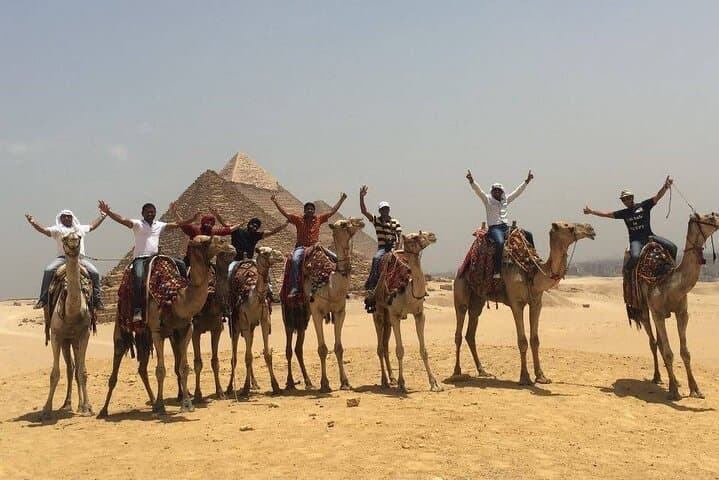
You climb into the raw light of the desert as the camel rises beneath you; the sand seems to tug the horizon toward the trio of pyramids, and the wind finds its own way to move memories across the plateau. Whether you come at sunrise or sunset, the Great Pyramid, Khafre and Menkaure move from silhouettes to sculpted forms, casting long, honest shadows that make the past feel immediate.
You climb into the raw light of the desert as the camel rises beneath you; the sand seems to tug the horizon toward the trio of pyramids, and the wind finds its own way to move memories across the plateau. Whether you come at sunrise or sunset, the Great Pyramid, Khafre and Menkaure move from silhouettes to sculpted forms, casting long, honest shadows that make the past feel immediate.
The Giza Plateau has been a human stage for four and a half millennia—limestone blocks cut from local quarries, builders organized by pharaohs, and a landscape shaped by the Nile’s ancient floods. Geologically, you’re riding on wind-blown sands over Pleistocene terraces; culturally, you’re passing through an urban fringe where Bedouin camel handlers, tourism guides and modern Cairo meet.
Expect a guided one-hour camel loop that keeps you on the desert edge for unobstructed views. Your guide and a camel handler will manage mounts, routes and safety; the route avoids busy streets and aims for open sand where the pyramids dominate the scene. Weather shifts here are decisive: sun bakes by day and chill arrives after dusk.
Practical notes: wear closed-toe shoes, sun protection and a light layer for cool mornings; secure cameras with straps; carry small change for tips. Health restrictions apply for pregnant travelers and those with spinal or serious heart conditions. Pickup and drop-off from Cairo hotels is typical; confirm whether pyramid access or museum entry is included—most camel rides do not include internal pyramid tickets.