THE ADVENTURE COLLECTIVE® · Independent discovery and booking for outdoor travel

Ride a camel across the Giza Plateau for a close-up of the Great Pyramid, the Sphinx and the Valley Temple. This 2–4 hour tour combines steady desert travel with guided history and panoramic photo stops.
Ride a camel across the Giza Plateau for a close-up of the Great Pyramid, the Sphinx and the Valley Temple. This 2–4 hour tour combines steady desert travel with guided history and panoramic photo stops.
The desert wind pulls grainy sunlight across the plateau as a single-file line of camels cuts an ancient silhouette toward the Great Pyramid. For roughly two to four hours, the ride moves at the pace of the animals—steady, undramatic—and gives a ground-level rhythm to seeing Cheops, Chephren and Mykerinus while the Sphinx watches nearby.
Verified experiences and guided adventures in the surrounding area.
Operated by This Is Egypt · Giza, Cairo
The desert wind pulls grainy sunlight across the plateau as a single-file line of camels cuts an ancient silhouette toward the Great Pyramid. For roughly two to four hours, the ride moves at the pace of the animals—steady, undramatic—and gives a ground-level rhythm to seeing Cheops, Chephren and Mykerinus while the Sphinx watches nearby.
This landscape is human-made geology: quarried limestone and bedrock shaped into tombs more than 4,500 years old. The Valley Temple—part of the Chephren complex—was a working place for purification and mummification, its dressed stone still speaking to Old Kingdom funerary practice. Culturally, the plateau is both archaeological site and working desert: vendors, guides and camel handlers make a living here alongside conservation teams managing heavy foot traffic.
Expect packed sand, open sky and strong light. The camel section emphasizes steady, seated travel across uneven ground, with short walks between viewpoints and the Sphinx. The tour includes entry to major points on the plateau and a private guide; bring water, sun protection and loose layers for changing temperatures.
Practicalities: confirm pickup logistics and any extra transfer fees if you’re coming from New Cairo or the airport suburbs. Wear sturdy shoes or closed-toe sandals—you’ll climb low ridges and step on carved stone. Carry local currency for tips and small purchases, and keep camera gear secure from sand. Move deliberately: the plateau rewards slow observation, and the best panoramic photo of the nine pyramids often comes at the quieter edges of the site rather than the busiest viewpoints.
easy.
2–4 hours.
Suitable for people in basic fitness—mostly seated camel travel with short walks; be able to climb on/off a camel.
This tour listing includes admission to the featured sites on the Giza Plateau and the Valley Temple, but always confirm at booking since policies can vary.
The overall tour runs about 2–4 hours; the camel experience typically occupies a substantial portion of that time with stopovers at key viewpoints.
Yes—operators describe the activity as suitable for all fitness levels; camels are used to tourists, but inform the operator about mobility concerns when booking.
Some pickup locations—like certain suburbs or airport transfers—may incur extra fees; check with the operator when you reserve.
The Giza pyramids date to Egypt’s Old Kingdom (c. 2600–2500 BCE); the Valley Temple next to the Sphinx played a role in purification and mummification rites.
Heavy visitor traffic and sand erosion threaten surfaces; follow designated paths, avoid climbing stones, and minimize litter to reduce impact.
This Is Egypt operates guided outdoor trips and adventures with an emphasis on safety, stewardship, and memorable experiences.
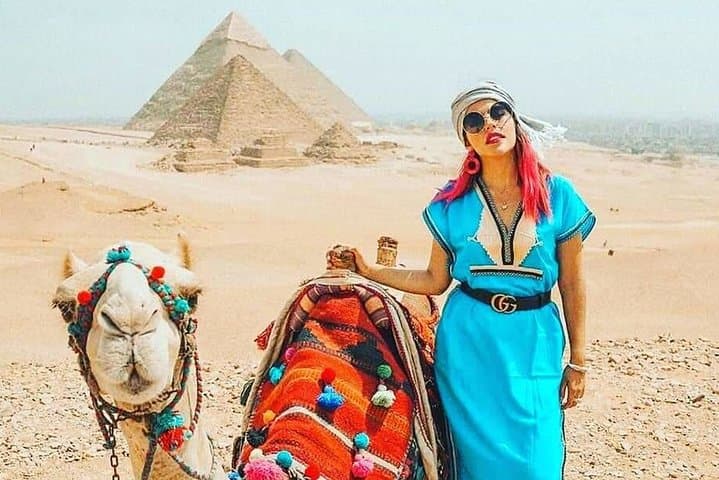
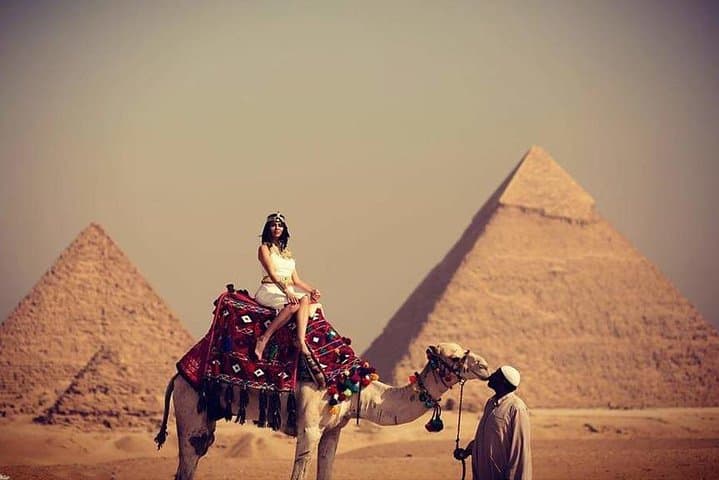
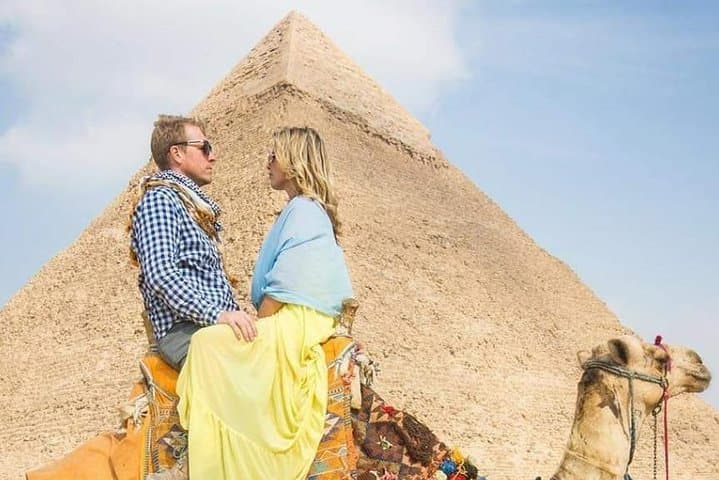
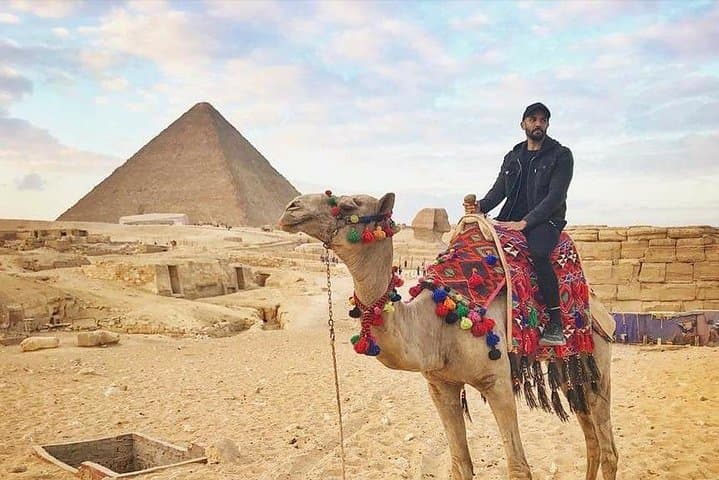
The desert wind pulls grainy sunlight across the plateau as a single-file line of camels cuts an ancient silhouette toward the Great Pyramid. For roughly two to four hours, the ride moves at the pace of the animals—steady, undramatic—and gives a ground-level rhythm to seeing Cheops, Chephren and Mykerinus while the Sphinx watches nearby.
The desert wind pulls grainy sunlight across the plateau as a single-file line of camels cuts an ancient silhouette toward the Great Pyramid. For roughly two to four hours, the ride moves at the pace of the animals—steady, undramatic—and gives a ground-level rhythm to seeing Cheops, Chephren and Mykerinus while the Sphinx watches nearby.
This landscape is human-made geology: quarried limestone and bedrock shaped into tombs more than 4,500 years old. The Valley Temple—part of the Chephren complex—was a working place for purification and mummification, its dressed stone still speaking to Old Kingdom funerary practice. Culturally, the plateau is both archaeological site and working desert: vendors, guides and camel handlers make a living here alongside conservation teams managing heavy foot traffic.
Expect packed sand, open sky and strong light. The camel section emphasizes steady, seated travel across uneven ground, with short walks between viewpoints and the Sphinx. The tour includes entry to major points on the plateau and a private guide; bring water, sun protection and loose layers for changing temperatures.
Practicalities: confirm pickup logistics and any extra transfer fees if you’re coming from New Cairo or the airport suburbs. Wear sturdy shoes or closed-toe sandals—you’ll climb low ridges and step on carved stone. Carry local currency for tips and small purchases, and keep camera gear secure from sand. Move deliberately: the plateau rewards slow observation, and the best panoramic photo of the nine pyramids often comes at the quieter edges of the site rather than the busiest viewpoints.