THE ADVENTURE COLLECTIVE® · Independent discovery and booking for outdoor travel

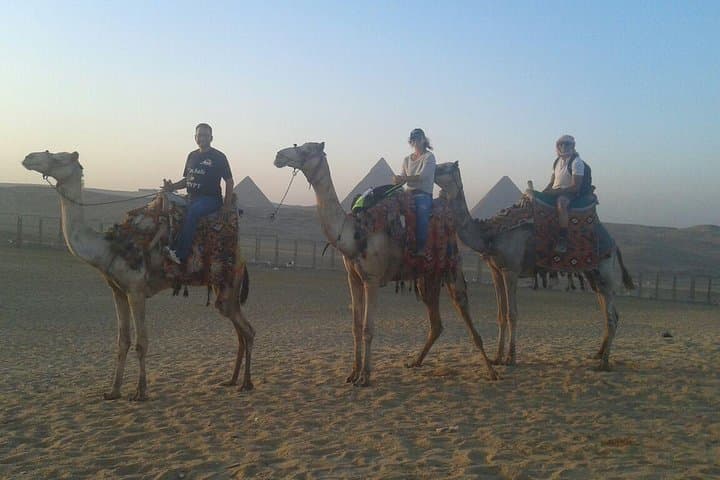
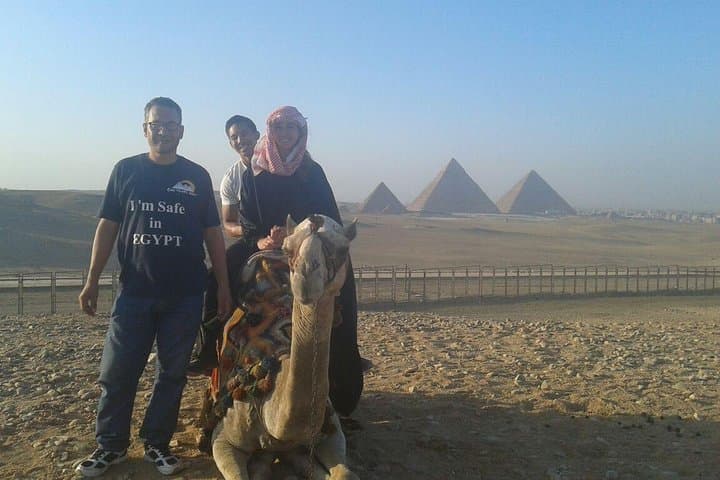
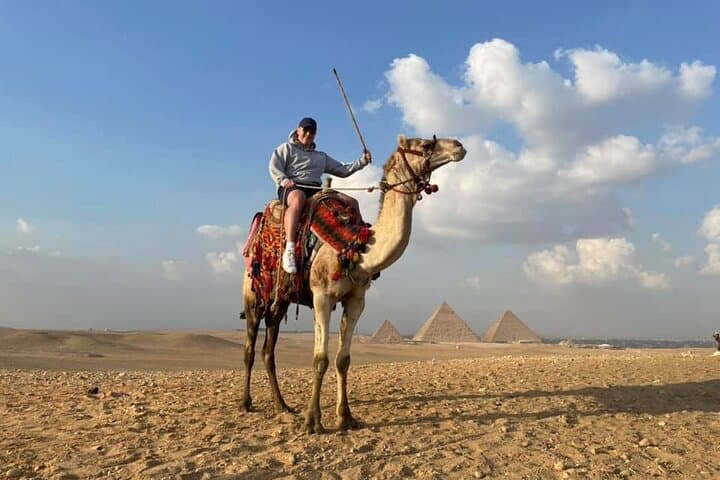
Mount a dromedary and skirt the edges of the Giza Plateau on a private half-day camel tour. Get close-up views of the pyramids and the Sphinx with a local guide, hotel pickup, and a short, desert ride that’s ideal for time-pressed travelers.
Mount a dromedary and skirt the edges of the Giza Plateau on a private half-day camel tour. Get close-up views of the pyramids and the Sphinx with a local guide, hotel pickup, and a short, desert ride that’s ideal for time-pressed travelers.
The wind lifts fine sand off the plateau like a slow clock, and you settle into the sway of a dromedary as the stones of Khufu and Khafre loom against a bright Cairo sky.
Verified experiences and guided adventures in the surrounding area.
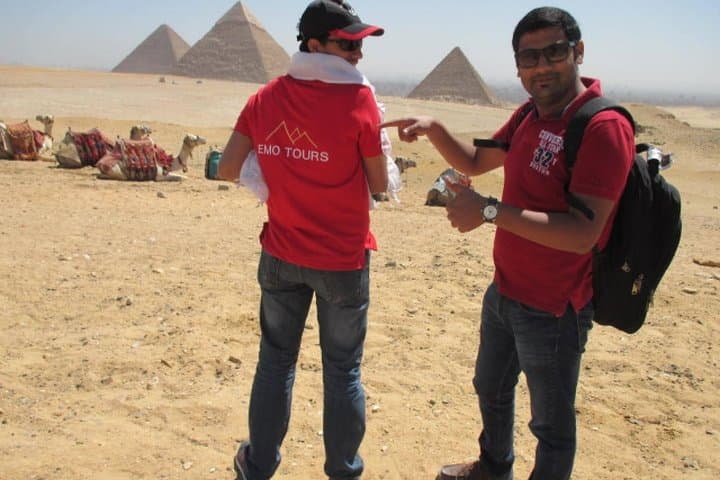
Operated by Emo Tours Egypt · Giza, Cairo Governorate
The wind lifts fine sand off the plateau like a slow clock, and you settle into the sway of a dromedary as the stones of Khufu and Khafre loom against a bright Cairo sky.
This half-day camel excursion moves through the quieter edges of the Giza Plateau, offering angled views of the three major pyramids and a close encounter with the Great Sphinx. The route avoids busy streets, entering the desert through a dedicated access path; guides and camel handlers keep groups flowing across firm, wind-swept flats rather than the soft dunes farther out.
The pyramids themselves date to the Fourth Dynasty (around 2600–2500 BCE) and rest on limestone bedrock that was once seabed, now worn into ridges and low escarpments. The ride is as much a lesson in cultural continuity as geography — you’re traversing the same stones that supported ancient processional ways.
Expect brief interpretations from a local guide about burial chambers and quarrying, and a chance to photograph the monuments from low, ground-hugging angles only possible from camelback. The experience is short and accessible: included is a roughly 30-minute camel ride within a 4-hour private tour with hotel pickup and bottled water supplied.
Practicalities: dress for sun and dust, schedule the tour for early morning or late afternoon in summer, and keep a small tip for your camel handler; entry fees cover the basic access area only. Limit touching the masonry — erosion is irreversible — and bring layered clothing for rapid temperature shifts once the sun drops. This ride is an efficient, sensory way to touch ancient Egypt without a full-day commitment.
easy.
4 hours.
Suitable for most travelers who can mount/dismount a camel and stand for short walks; no special fitness required
The tour package includes a roughly 30-minute camel ride within a private 4-hour excursion; itinerary times may vary slightly.
Basic area entry fees are included, but access to interior chambers or special sites may require additional tickets purchased at the site.
No — handlers lead camels and assist mounting; the ride is suitable for first-time riders though you should be comfortable with gentle swaying.
Children are generally welcome, but the operator advises against the activity for pregnant travelers and people with serious spinal or heart conditions.
The Giza pyramids were built during Egypt’s Fourth Dynasty (c. 2600–2500 BCE) on a limestone plateau that was quarried to create massive funerary monuments.
Stay on permitted paths, avoid touching or climbing the stones, and use local guides whose fees support site management and community livelihoods.
Emo Tours Egypt operates guided outdoor trips and adventures with an emphasis on safety, stewardship, and memorable experiences.
The wind lifts fine sand off the plateau like a slow clock, and you settle into the sway of a dromedary as the stones of Khufu and Khafre loom against a bright Cairo sky.
The wind lifts fine sand off the plateau like a slow clock, and you settle into the sway of a dromedary as the stones of Khufu and Khafre loom against a bright Cairo sky.
This half-day camel excursion moves through the quieter edges of the Giza Plateau, offering angled views of the three major pyramids and a close encounter with the Great Sphinx. The route avoids busy streets, entering the desert through a dedicated access path; guides and camel handlers keep groups flowing across firm, wind-swept flats rather than the soft dunes farther out.
The pyramids themselves date to the Fourth Dynasty (around 2600–2500 BCE) and rest on limestone bedrock that was once seabed, now worn into ridges and low escarpments. The ride is as much a lesson in cultural continuity as geography — you’re traversing the same stones that supported ancient processional ways.
Expect brief interpretations from a local guide about burial chambers and quarrying, and a chance to photograph the monuments from low, ground-hugging angles only possible from camelback. The experience is short and accessible: included is a roughly 30-minute camel ride within a 4-hour private tour with hotel pickup and bottled water supplied.
Practicalities: dress for sun and dust, schedule the tour for early morning or late afternoon in summer, and keep a small tip for your camel handler; entry fees cover the basic access area only. Limit touching the masonry — erosion is irreversible — and bring layered clothing for rapid temperature shifts once the sun drops. This ride is an efficient, sensory way to touch ancient Egypt without a full-day commitment.