THE ADVENTURE COLLECTIVE® · Independent discovery and booking for outdoor travel

Mount a camel on the Giza Plateau and skirt the bases of the Great Pyramids while a guide unpacks pharaonic history. This practical guide covers what to expect, safety notes, and timing to make the most of the five-hour experience.
Mount a camel on the Giza Plateau and skirt the bases of the Great Pyramids while a guide unpacks pharaonic history. This practical guide covers what to expect, safety notes, and timing to make the most of the five-hour experience.
A slow thud, a gentle rise, then the plateau opens: the Great Pyramid fills the horizon, the Sphinx’s profile catching the light as the desert wind slides across the sands. Mounted on a camel, you move along a route that traces centuries of traffic—caravans, pilgrims, and now visitors—while the stones of Khufu, Khafre and Menkaure stand like patient witnesses.
Verified experiences and guided adventures in the surrounding area.
Operated by Visitors Egypt Tours · Giza, Giza Governorate
A slow thud, a gentle rise, then the plateau opens: the Great Pyramid fills the horizon, the Sphinx’s profile catching the light as the desert wind slides across the sands. Mounted on a camel, you move along a route that traces centuries of traffic—caravans, pilgrims, and now visitors—while the stones of Khufu, Khafre and Menkaure stand like patient witnesses.
The plateau is both a geological outcrop of Eocene limestone and an archaeological archive: the pyramids date to the Fourth Dynasty (about 2600–2500 BCE), built as monumental tombs; the Sphinx was carved from the bedrock and watches the approach road. Local guides weave oral history and measured facts—construction methods, royal titles, and the later removal of polished casing stones that once glittered in the sun.
Expect compact desert ground, short walking stretches between mounts, and panoramic viewpoints rather than long hikes. The tour generally lasts about five hours including transfers; animals are trained for riders of varied experience. Avoid climbing the monuments—it's illegal and damages fragile stone.
Practicalities: book an early morning or late afternoon slot to skirt the heat; bring at least 1–2 liters of water, sun protection, and closed-toe shoes for moving on uneven flagstones. Carry small bills for tips and support licensed guides and local handlers. If you’re sensitive to motion or have back issues, consider the horse option or a shorter viewing-only stop. With basic preparation, the camel ride is an accessible way to feel the scale and age of the pyramids while leaving a light footprint on a place that has already seen millennia of travelers.
easy.
5 hours.
Light fitness: able to mount/dismount a camel and walk short uneven distances; not strenuous.
Yes—handlers lead camels and teach mounting/dismounting; disclose any spinal or mobility issues in advance as the ride includes upward motion and jolts.
No—climbing and touching ancient masonry is prohibited to protect the structures and visit regulations are enforced with fines or removal from the site.
Standard camel tours typically include panoramic viewing and narrated stops; access inside pyramids requires separate museum or site tickets not always covered by the ride.
Tipping is customary for guides and camel handlers—carry small local currency notes; tip according to service and group size.
The Great Pyramids were built in Egypt’s Fourth Dynasty (c. 2600–2500 BCE) as royal tombs; the Sphinx is generally attributed to Pharaoh Khafre and carved from the plateau’s bedrock.
Tour operators and visitors should avoid touching or climbing monuments, stay on established routes, and dispose of waste properly to reduce erosion and preserve fragile archaeological context.
Visitors Egypt Tours operates guided outdoor trips and adventures with an emphasis on safety, stewardship, and memorable experiences.
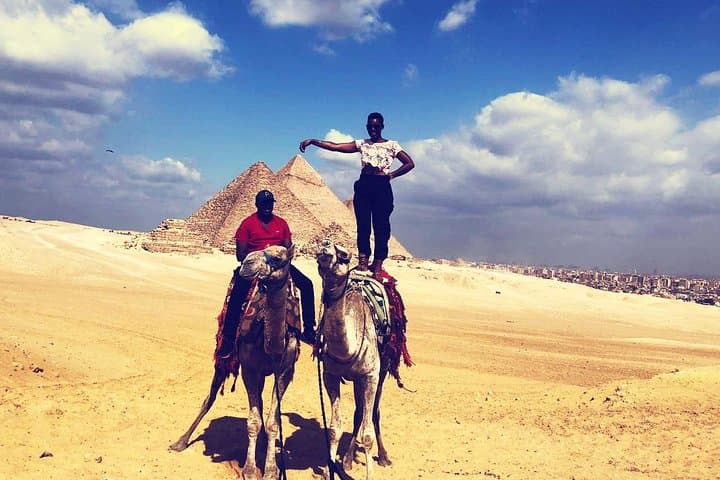
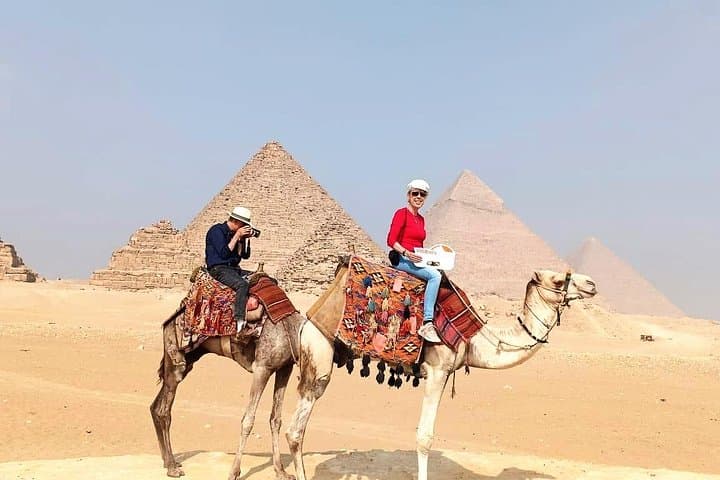


A slow thud, a gentle rise, then the plateau opens: the Great Pyramid fills the horizon, the Sphinx’s profile catching the light as the desert wind slides across the sands. Mounted on a camel, you move along a route that traces centuries of traffic—caravans, pilgrims, and now visitors—while the stones of Khufu, Khafre and Menkaure stand like patient witnesses.
A slow thud, a gentle rise, then the plateau opens: the Great Pyramid fills the horizon, the Sphinx’s profile catching the light as the desert wind slides across the sands. Mounted on a camel, you move along a route that traces centuries of traffic—caravans, pilgrims, and now visitors—while the stones of Khufu, Khafre and Menkaure stand like patient witnesses.
The plateau is both a geological outcrop of Eocene limestone and an archaeological archive: the pyramids date to the Fourth Dynasty (about 2600–2500 BCE), built as monumental tombs; the Sphinx was carved from the bedrock and watches the approach road. Local guides weave oral history and measured facts—construction methods, royal titles, and the later removal of polished casing stones that once glittered in the sun.
Expect compact desert ground, short walking stretches between mounts, and panoramic viewpoints rather than long hikes. The tour generally lasts about five hours including transfers; animals are trained for riders of varied experience. Avoid climbing the monuments—it's illegal and damages fragile stone.
Practicalities: book an early morning or late afternoon slot to skirt the heat; bring at least 1–2 liters of water, sun protection, and closed-toe shoes for moving on uneven flagstones. Carry small bills for tips and support licensed guides and local handlers. If you’re sensitive to motion or have back issues, consider the horse option or a shorter viewing-only stop. With basic preparation, the camel ride is an accessible way to feel the scale and age of the pyramids while leaving a light footprint on a place that has already seen millennia of travelers.