THE ADVENTURE COLLECTIVE® · Independent discovery and booking for outdoor travel

Ride along Pacific surf on a guided camel trek, explore a coastal ecological reserve, enjoy a taco lunch and a tequila tasting. This easy 2.5‑hour outing pairs beach views with desert plants and hands‑on animal encounters.
Ride along Pacific surf on a guided camel trek, explore a coastal ecological reserve, enjoy a taco lunch and a tequila tasting. This easy 2.5‑hour outing pairs beach views with desert plants and hands‑on animal encounters.
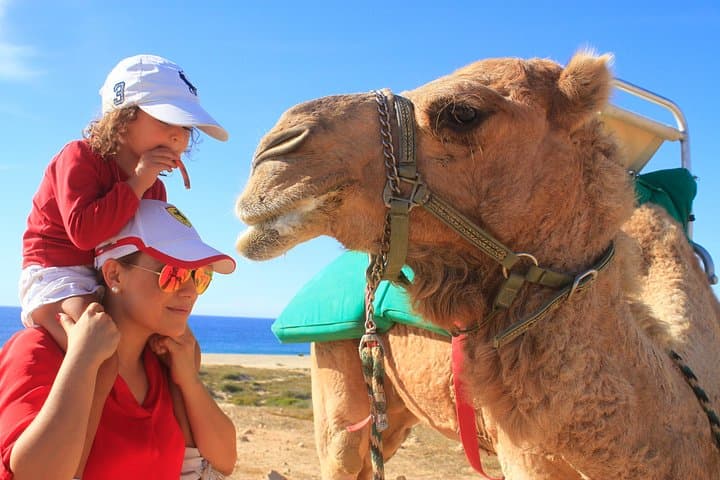
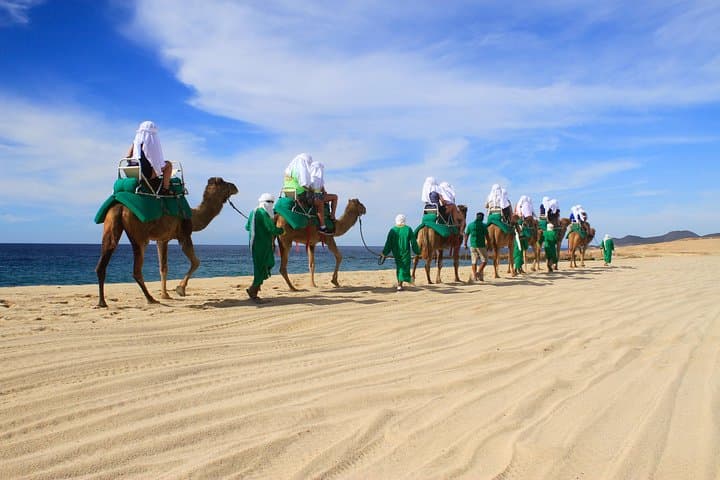
The Pacific wind hits first — salt and sun sharpening the horizon — as a line of camels steps down toward a quiet stretch of Baja shoreline. Riders settle into rhythmic sway while surf hisses at the sand; behind them, low desert plants like cardón and cholla scatter across ribs of volcanic and alluvial soils. This two-and-a-half-hour outing combines a gentle beach trek on domesticated camels with a short interpretive hike through an ecological reserve, plus a taco lunch and a short tequila tasting.
Verified experiences and guided adventures in the surrounding area.
Operated by CalypsoTrip · Cabo San Lucas, Baja California Sur
The Pacific wind hits first — salt and sun sharpening the horizon — as a line of camels steps down toward a quiet stretch of Baja shoreline. Riders settle into rhythmic sway while surf hisses at the sand; behind them, low desert plants like cardón and cholla scatter across ribs of volcanic and alluvial soils. This two-and-a-half-hour outing combines a gentle beach trek on domesticated camels with a short interpretive hike through an ecological reserve, plus a taco lunch and a short tequila tasting.
Camels aren’t native to Baja; they’re kept here as working and educational animals that let visitors learn about anatomy, handling, and training. Geologically, Los Cabos sits where the peninsular spine meets the Pacific — sediments and older volcanic outcrops produce the gravelly flats and rocky headlands you’ll pass. The human history mixes Indigenous Capeño traditions, colonial-era ranching, and modern tourism; local guides often fold in stories about native plants and coastal livelihoods.
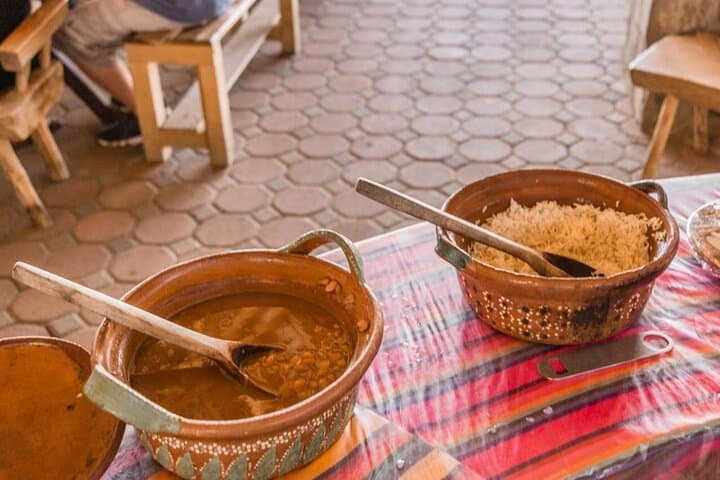
Expect slow-paced walking on camelback, brief intervals of standing on shore for photos, and a guided nature walk focused on desert flora — watch for yucca and the quick dart of a correcaminos (roadrunner). The operator provides helmets, a burrito lunch, bottled water, and hotel transfer. Not recommended for pregnant travelers or those with spinal or serious heart conditions; minimum age is six.
Practical tips: arrive hydrated, wear closed shoes for the reserve, protect skin from sun and spray, and keep camera gear secure during the ride. The experience is accessible and scenic — an easy, tactile way to connect beach and desert in one outing.
easy.
2–3 hours.
Suitable for most people with basic mobility; involves mounting/dismounting animals and short walking on uneven terrain.
The full experience runs about 150 minutes (roughly 2.5 hours), including camel time, a nature walk, lunch and tequila tasting.
Children are allowed but must be accompanied by an adult; the minimum age is 6 years and helmets are provided.
Rides follow the shoreline but typically stay above the surf line; light spray is possible depending on tide and wind, so expect some breeze.
Yes — the tour lists hotel/port pickup and drop-off; cruise passengers must provide ship and timing details at booking.
Camels here are maintained as domesticated animals for tourism and education—an introduced species used to create interactive cultural encounters along Baja’s coast.
Activities operate within an ecological reserve; stay on designated paths, avoid touching protected plants like cardón and cholla, and minimize single‑use plastics to reduce local impact.
CalypsoTrip operates guided outdoor trips and adventures with an emphasis on safety, stewardship, and memorable experiences.

The Pacific wind hits first — salt and sun sharpening the horizon — as a line of camels steps down toward a quiet stretch of Baja shoreline. Riders settle into rhythmic sway while surf hisses at the sand; behind them, low desert plants like cardón and cholla scatter across ribs of volcanic and alluvial soils. This two-and-a-half-hour outing combines a gentle beach trek on domesticated camels with a short interpretive hike through an ecological reserve, plus a taco lunch and a short tequila tasting.
The Pacific wind hits first — salt and sun sharpening the horizon — as a line of camels steps down toward a quiet stretch of Baja shoreline. Riders settle into rhythmic sway while surf hisses at the sand; behind them, low desert plants like cardón and cholla scatter across ribs of volcanic and alluvial soils. This two-and-a-half-hour outing combines a gentle beach trek on domesticated camels with a short interpretive hike through an ecological reserve, plus a taco lunch and a short tequila tasting.
Camels aren’t native to Baja; they’re kept here as working and educational animals that let visitors learn about anatomy, handling, and training. Geologically, Los Cabos sits where the peninsular spine meets the Pacific — sediments and older volcanic outcrops produce the gravelly flats and rocky headlands you’ll pass. The human history mixes Indigenous Capeño traditions, colonial-era ranching, and modern tourism; local guides often fold in stories about native plants and coastal livelihoods.
Expect slow-paced walking on camelback, brief intervals of standing on shore for photos, and a guided nature walk focused on desert flora — watch for yucca and the quick dart of a correcaminos (roadrunner). The operator provides helmets, a burrito lunch, bottled water, and hotel transfer. Not recommended for pregnant travelers or those with spinal or serious heart conditions; minimum age is six.
Practical tips: arrive hydrated, wear closed shoes for the reserve, protect skin from sun and spray, and keep camera gear secure during the ride. The experience is accessible and scenic — an easy, tactile way to connect beach and desert in one outing.