THE ADVENTURE COLLECTIVE® · Independent discovery and booking for outdoor travel

Ride a camel or horse across the Giza plateau and watch Khufu, Khafre and Menkaure shift with the light. This private half-day tour pairs close-up views with practical tips for a safe, sun-smart visit.
Ride a camel or horse across the Giza plateau and watch Khufu, Khafre and Menkaure shift with the light. This private half-day tour pairs close-up views with practical tips for a safe, sun-smart visit.
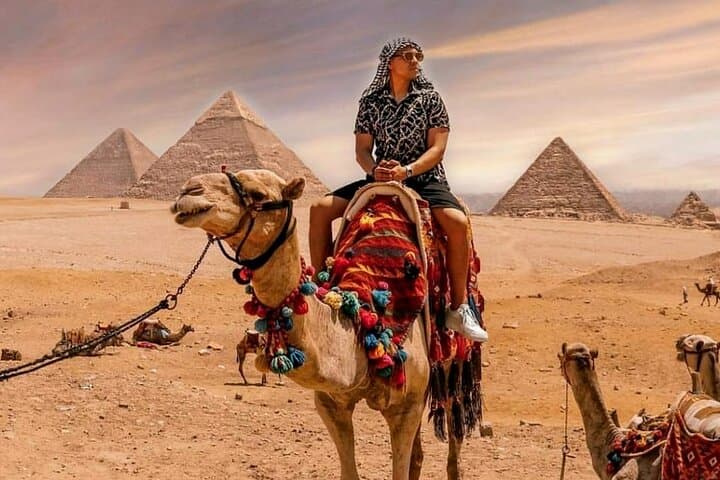
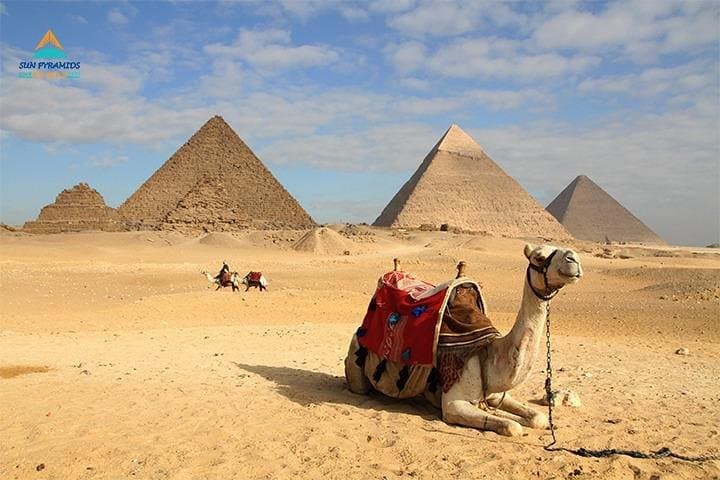
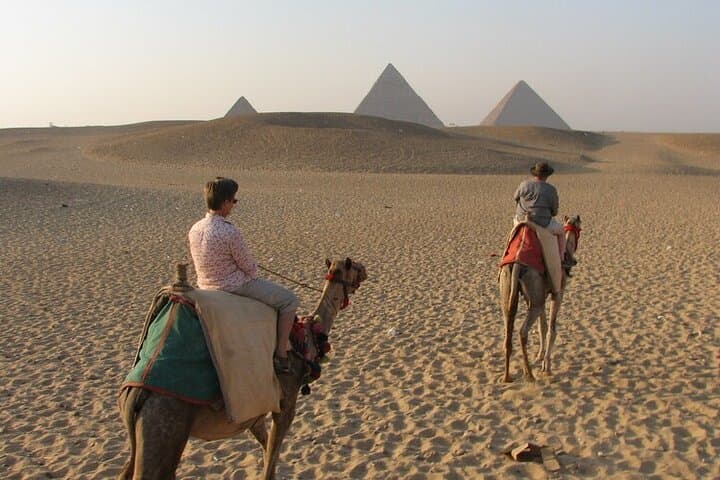
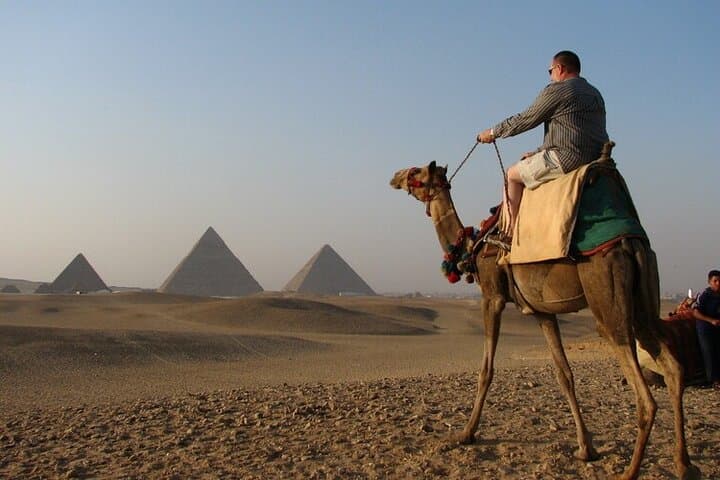
Morning light slices across yellow stone as you step onto the Giza plateau, saddle creaking and camel breath warming the chill. For 2–3 hours a private guide leads you through a low, rolling desert where the three main pyramids—Khufu, Khafre and Menkaure—hold court, and the Sphinx watches the road like an impatient guardian.
Verified experiences and guided adventures in the surrounding area.
Operated by Sun Pyramids Vip Tours · Giza, Giza Governorate
Morning light slices across yellow stone as you step onto the Giza plateau, saddle creaking and camel breath warming the chill. For 2–3 hours a private guide leads you through a low, rolling desert where the three main pyramids—Khufu, Khafre and Menkaure—hold court, and the Sphinx watches the road like an impatient guardian.
These monuments were raised in the Fourth Dynasty, about 4,500 years ago, as monumental tombs and symbols of centralized power. Geologically the plateau is limestone bedrock capped with wind-blown sand; underfoot is compacted desert that can shift with the wind. The riding experience blends living tradition—local camel and horse handlers still manage the animals—with high-history tourism; expect calls for photos, brief stops at viewpoints, and the odd hawk wheeling over the plain.
Practical guidance is straightforward: rides usually last about an hour on camel or horse, with transfers and bottled water included in private bookings. Opt for sunrise or sunset to avoid mid-day heat and to catch the soft, sculptural shadows on the pyramids. Wear closed-toe shoes, long sleeves for sun and dust protection, and keep valuables secure—the light is irresistible for souvenir sellers.
Respect restrictions: climbing the pyramids is illegal, and the most memorable photos come from a measured, steady pace rather than frantic chasing. Bring small change for handlers, follow your guide’s safety briefing for mounting and dismounting, and leave time afterward for the Solar Boat Museum or a quiet lookout to watch the plateau glow as the city hums below.
easy.
2–3 hours.
Suitable for most fitness levels; ability to mount/dismount animals required
The advertised half-day run is about 2–3 hours total with roughly one hour of riding; the rest covers transfers, brief stops and view points.
Yes—this private tour typically lets you select camel or horse, subject to animal availability and handler recommendations.
Pick up and return from most central Cairo and Giza hotels is included; distant neighborhoods or airports may incur extra fees—confirm at booking.
Operators normally accept all ages and fitness levels but may restrict very young children, pregnant riders, or guests over a certain weight for safety—ask the provider ahead of time.
The Giza pyramids were built during Egypt’s Fourth Dynasty as royal tombs; Khufu’s pyramid remained the world’s tallest structure for millennia.
Tourism strains fragile stone and desert ecology—stay on established paths, don’t climb monuments, and support licensed guides to encourage responsible practices.
Sun Pyramids Vip Tours operates guided outdoor trips and adventures with an emphasis on safety, stewardship, and memorable experiences.
Morning light slices across yellow stone as you step onto the Giza plateau, saddle creaking and camel breath warming the chill. For 2–3 hours a private guide leads you through a low, rolling desert where the three main pyramids—Khufu, Khafre and Menkaure—hold court, and the Sphinx watches the road like an impatient guardian.
Morning light slices across yellow stone as you step onto the Giza plateau, saddle creaking and camel breath warming the chill. For 2–3 hours a private guide leads you through a low, rolling desert where the three main pyramids—Khufu, Khafre and Menkaure—hold court, and the Sphinx watches the road like an impatient guardian.
These monuments were raised in the Fourth Dynasty, about 4,500 years ago, as monumental tombs and symbols of centralized power. Geologically the plateau is limestone bedrock capped with wind-blown sand; underfoot is compacted desert that can shift with the wind. The riding experience blends living tradition—local camel and horse handlers still manage the animals—with high-history tourism; expect calls for photos, brief stops at viewpoints, and the odd hawk wheeling over the plain.
Practical guidance is straightforward: rides usually last about an hour on camel or horse, with transfers and bottled water included in private bookings. Opt for sunrise or sunset to avoid mid-day heat and to catch the soft, sculptural shadows on the pyramids. Wear closed-toe shoes, long sleeves for sun and dust protection, and keep valuables secure—the light is irresistible for souvenir sellers.
Respect restrictions: climbing the pyramids is illegal, and the most memorable photos come from a measured, steady pace rather than frantic chasing. Bring small change for handlers, follow your guide’s safety briefing for mounting and dismounting, and leave time afterward for the Solar Boat Museum or a quiet lookout to watch the plateau glow as the city hums below.