THE ADVENTURE COLLECTIVE® · Independent discovery and booking for outdoor travel

Mount a camel and cross the wind-swept Giza Plateau with the Great Pyramid looming ahead. This four-hour day tour pairs guided history with a gentle desert ride—ideal for first-time visitors wanting a tactile encounter with Egypt's oldest monuments.
Mount a camel and cross the wind-swept Giza Plateau with the Great Pyramid looming ahead. This four-hour day tour pairs guided history with a gentle desert ride—ideal for first-time visitors wanting a tactile encounter with Egypt's oldest monuments.
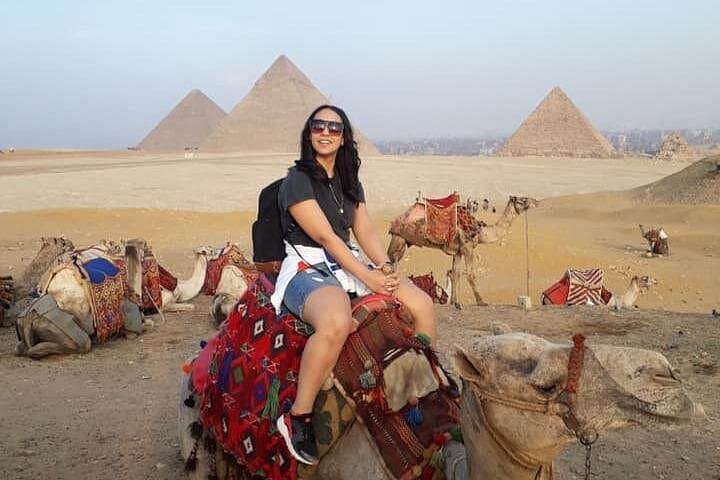
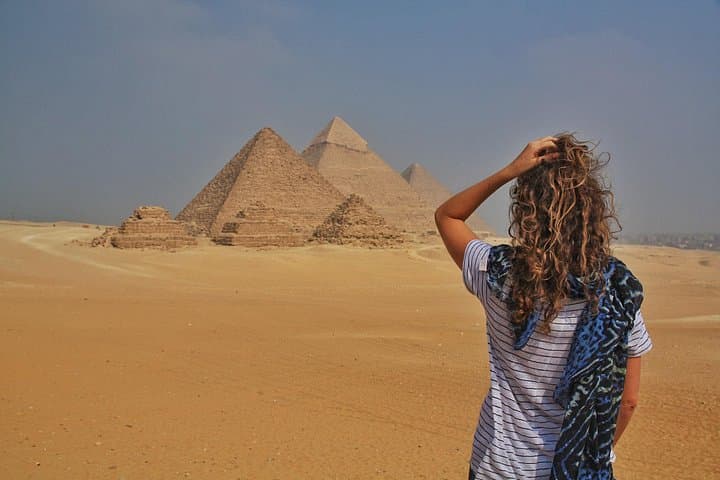
You step out of the air-conditioned van into a low, dry wind that seems to push the plateau forward — sand edging the paved walkways like a slow-moving tide. Camels stand patient, their saddles creaking as guides adjust reins; the Great Pyramid rises ahead, a geometric mountain of pale stone that absorbs sunlight and history alike.
Verified experiences and guided adventures in the surrounding area.
Operated by Camel Ride at Giza Pyramids · Giza, Giza Governorate
You step out of the air-conditioned van into a low, dry wind that seems to push the plateau forward — sand edging the paved walkways like a slow-moving tide. Camels stand patient, their saddles creaking as guides adjust reins; the Great Pyramid rises ahead, a geometric mountain of pale stone that absorbs sunlight and history alike.
The three main tombs on the Giza Plateau—Khufu, Khafre and Menkaure—date to Egypt's Fourth Dynasty (c. 2600–2500 BCE). Geologically, the plateau is a limestone bench cut into an arid landscape; wind and human hands have polished its edges over millennia. Local camel handlers and guides are often from Cairo or nearby Bedouin communities and can add cultural context about modern life around the ancient site.
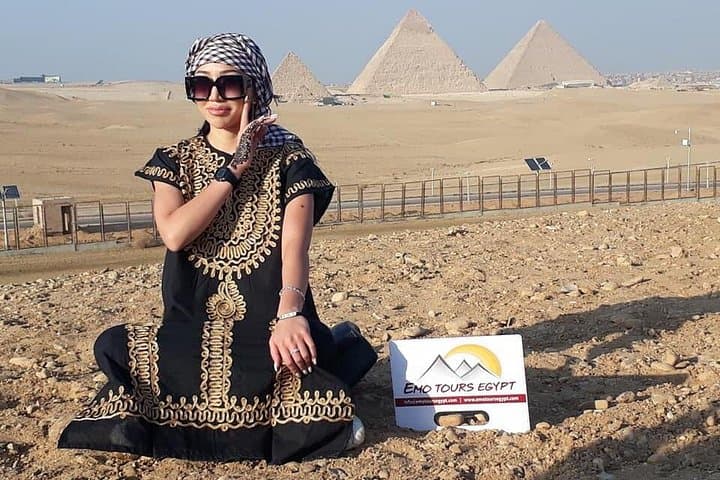
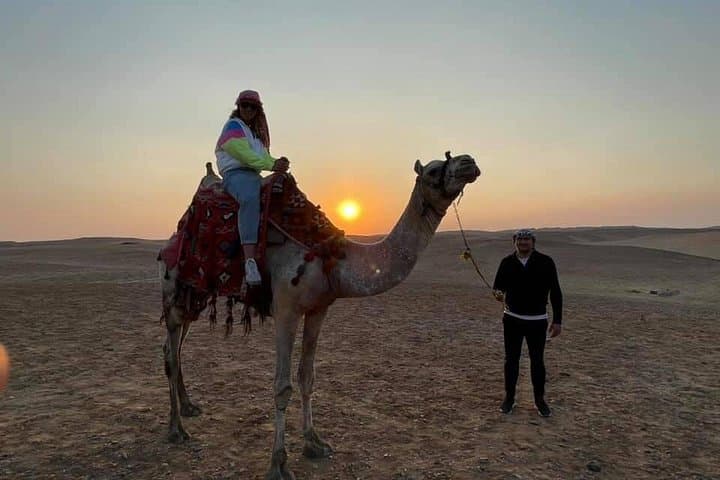
Expect a gentle camel ride across compact sand and low dunes, punctuated by stops for panoramic photos and a guided overview of pyramid construction theories and funerary practices. The experience is sensory: grainy sand underfoot, the creak of leather, and the distant call of market vendors back in Giza.
Practical notes: the tour is about four hours including pickup and drop-off, requires minimal fitness but limited mobility, and is not recommended for pregnant travelers or those with spinal issues. Carry sun protection, a refillable water bottle, and closed-toe shoes for walking. Entrances to interior chambers may require additional tickets; climbing the pyramids is prohibited. Timing your visit for early morning or late afternoon avoids the harshest heat and delivers the best light for photography.
easy.
4 hours.
Suitable for most fitness levels; requires basic balance for mounting and a short flat walk on compact sand.
Yes — a short camel ride across the plateau is included as part of the listed day tour, but rides beyond the programmed duration may incur additional fees to handlers.
Basic area entrance is typically included, but access to interior chambers or the Solar Boat Museum often requires separate tickets or upgrades.
Children can join but handlers set minimum age or weight limits for camel safety; infant seats aren’t used on camels, so check with the operator for specifics.
Light, breathable clothing that covers shoulders and knees is recommended out of sun protection and cultural respect; bring sturdy shoes for walking on stone and sand.
The Giza complex dates to Egypt’s Old Kingdom (c. 2600–2500 BCE); the three main pyramids served as monumental tombs for pharaohs Khufu, Khafre, and Menkaure.
Visitor pressure and wind-borne sand stress archaeological features; follow marked paths, avoid touching fragile masonry, and minimize plastic waste to reduce impact.
Camel Ride at Giza Pyramids operates guided outdoor trips and adventures with an emphasis on safety, stewardship, and memorable experiences.
You step out of the air-conditioned van into a low, dry wind that seems to push the plateau forward — sand edging the paved walkways like a slow-moving tide. Camels stand patient, their saddles creaking as guides adjust reins; the Great Pyramid rises ahead, a geometric mountain of pale stone that absorbs sunlight and history alike.
You step out of the air-conditioned van into a low, dry wind that seems to push the plateau forward — sand edging the paved walkways like a slow-moving tide. Camels stand patient, their saddles creaking as guides adjust reins; the Great Pyramid rises ahead, a geometric mountain of pale stone that absorbs sunlight and history alike.
The three main tombs on the Giza Plateau—Khufu, Khafre and Menkaure—date to Egypt's Fourth Dynasty (c. 2600–2500 BCE). Geologically, the plateau is a limestone bench cut into an arid landscape; wind and human hands have polished its edges over millennia. Local camel handlers and guides are often from Cairo or nearby Bedouin communities and can add cultural context about modern life around the ancient site.
Expect a gentle camel ride across compact sand and low dunes, punctuated by stops for panoramic photos and a guided overview of pyramid construction theories and funerary practices. The experience is sensory: grainy sand underfoot, the creak of leather, and the distant call of market vendors back in Giza.
Practical notes: the tour is about four hours including pickup and drop-off, requires minimal fitness but limited mobility, and is not recommended for pregnant travelers or those with spinal issues. Carry sun protection, a refillable water bottle, and closed-toe shoes for walking. Entrances to interior chambers may require additional tickets; climbing the pyramids is prohibited. Timing your visit for early morning or late afternoon avoids the harshest heat and delivers the best light for photography.