THE ADVENTURE COLLECTIVE® · Independent discovery and booking for outdoor travel

Ride a camel across Al Marmoom’s dunes, sip gahwa in a Bedouin village, and pose with a falcon—this half-day trip blends natural scenery with living Emirati traditions. Read on for what to expect and how to prepare.
Ride a camel across Al Marmoom’s dunes, sip gahwa in a Bedouin village, and pose with a falcon—this half-day trip blends natural scenery with living Emirati traditions. Read on for what to expect and how to prepare.
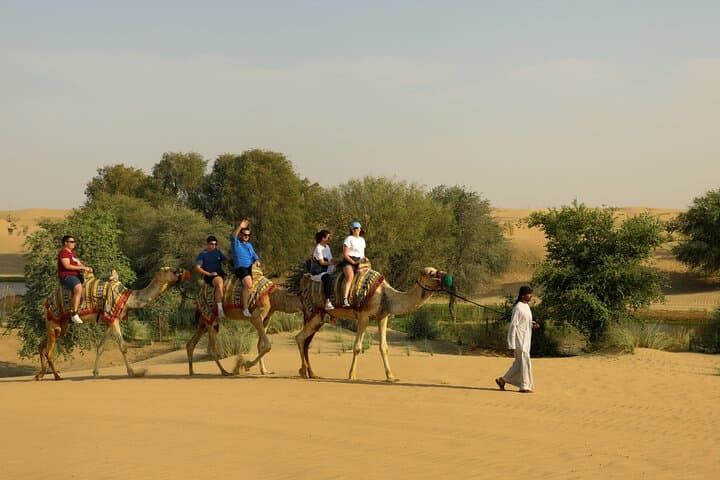
The low sun slants across the dunes as camels silhouette against a wide Arabian sky; the sand seems to breathe, shifting with each step of the caravan. You leave the city’s chrome behind on a 50-minute drive to Al Marmoom Desert Reserve, where dunes, scrub, and an inland oasis set the stage for a classic Emirati morning.
Verified experiences and guided adventures in the surrounding area.
Operated by Al Marmoom Bedouin Experience · Dubai, Dubai
The low sun slants across the dunes as camels silhouette against a wide Arabian sky; the sand seems to breathe, shifting with each step of the caravan. You leave the city’s chrome behind on a 50-minute drive to Al Marmoom Desert Reserve, where dunes, scrub, and an inland oasis set the stage for a classic Emirati morning.
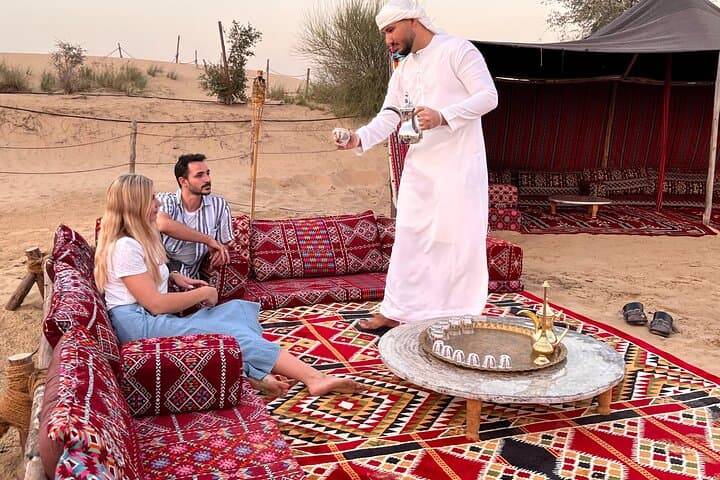
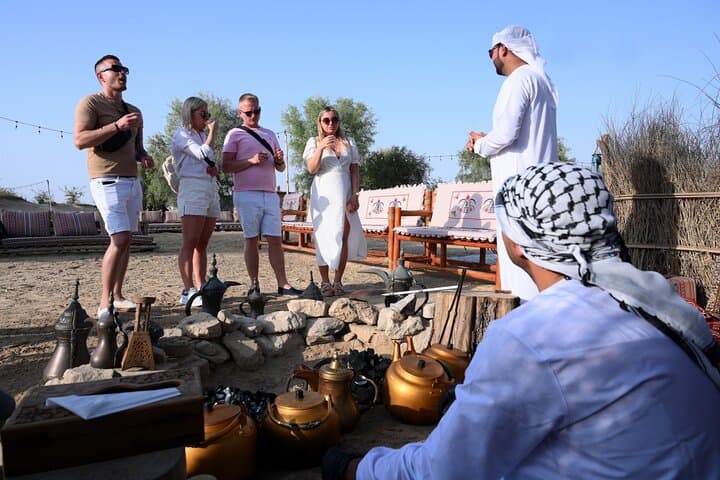
This stretch of desert sits on geology of wind-sculpted sand and gravel plains shaped over millennia by shifting winds. The area is part of Dubai’s wider reclamation of desert ecology — the reserve preserves native flora, migratory birds, and traditional Bedouin practices. At the Bedouin Village you’ll meet falconry and gahwa (Arabic coffee) rituals that reflect a cultural history of hospitality and desert survival.
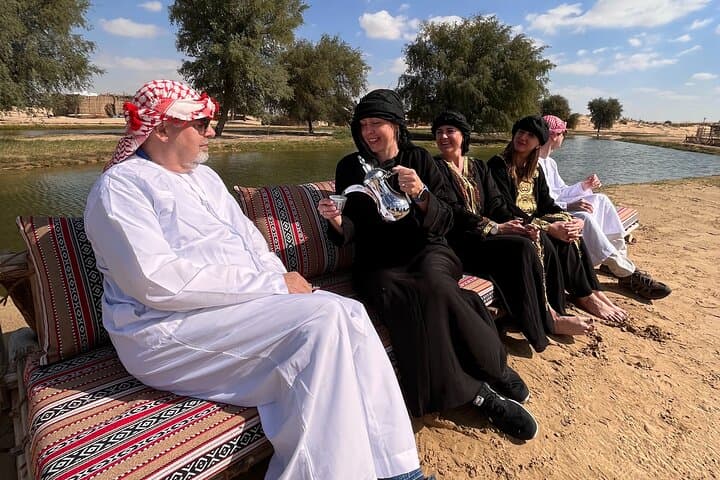
Expect a roughly 45-minute camel caravan across gently rolling dunes where desert flora—tough shrubs and tamarisk—edge small wetland pockets that attract birds. The village offers restored wells, cooking stations, and an opportunity to dress in traditional Kandura or Abaya for photos.
Practicalities: wear closed shoes with good soles for sand and uneven paths, protect skin from sun and wind, and carry water even if coffee is served. The experience is light-moderate in physical intensity but can be hot and sunny; plan early-morning departures, and factor in the tour’s pick-up and drop-off window. Cameras, sunscreen, and a sense of curiosity will serve you well as the desert offers quiet, wide views and a tangible link to Emirati culture.
moderate.
4–5 hours (including travel time).
Moderate fitness—able to mount a camel and stand/walk on uneven sand for short periods.
The camel caravan lasts about 45 minutes across gentle dunes and is led by experienced handlers.
Children under 5 are accepted on the tour but typically do not ride; they must remain at the village with an adult or follow the caravan.
Yes—pick up and drop off in an air-conditioned vehicle from most Dubai hotels is included and built into the 5‑hour schedule.
Yes—Kandura for men and Abaya for women are available for a cultural photo experience and are returned after use.
Bedouin hospitality traditions like gahwa and falconry reflect centuries of desert life; these rituals were essential for social bonds and survival.
Al Marmoom is part of Dubai’s efforts to protect desert ecosystems and migratory bird habitat—stay on paths and avoid feeding wildlife to limit disturbance.
Al Marmoom Bedouin Experience operates guided outdoor trips and adventures with an emphasis on safety, stewardship, and memorable experiences.
The low sun slants across the dunes as camels silhouette against a wide Arabian sky; the sand seems to breathe, shifting with each step of the caravan. You leave the city’s chrome behind on a 50-minute drive to Al Marmoom Desert Reserve, where dunes, scrub, and an inland oasis set the stage for a classic Emirati morning.
The low sun slants across the dunes as camels silhouette against a wide Arabian sky; the sand seems to breathe, shifting with each step of the caravan. You leave the city’s chrome behind on a 50-minute drive to Al Marmoom Desert Reserve, where dunes, scrub, and an inland oasis set the stage for a classic Emirati morning.
This stretch of desert sits on geology of wind-sculpted sand and gravel plains shaped over millennia by shifting winds. The area is part of Dubai’s wider reclamation of desert ecology — the reserve preserves native flora, migratory birds, and traditional Bedouin practices. At the Bedouin Village you’ll meet falconry and gahwa (Arabic coffee) rituals that reflect a cultural history of hospitality and desert survival.
Expect a roughly 45-minute camel caravan across gently rolling dunes where desert flora—tough shrubs and tamarisk—edge small wetland pockets that attract birds. The village offers restored wells, cooking stations, and an opportunity to dress in traditional Kandura or Abaya for photos.
Practicalities: wear closed shoes with good soles for sand and uneven paths, protect skin from sun and wind, and carry water even if coffee is served. The experience is light-moderate in physical intensity but can be hot and sunny; plan early-morning departures, and factor in the tour’s pick-up and drop-off window. Cameras, sunscreen, and a sense of curiosity will serve you well as the desert offers quiet, wide views and a tangible link to Emirati culture.