THE ADVENTURE COLLECTIVE® · Independent discovery and booking for outdoor travel

Ride a camel or horse on the Giza Plateau at sunset for sweeping views of the Great Pyramids. This short safari-style tour pairs hands-on animal riding with guided historical context and practical access from Cairo.
Ride a camel or horse on the Giza Plateau at sunset for sweeping views of the Great Pyramids. This short safari-style tour pairs hands-on animal riding with guided historical context and practical access from Cairo.
The sun slides low over a wide, sandy plain and the three pyramids cast long, geometric shadows that seem to push the horizon back a few thousand years. You climb into a saddle and the camel rises with a quiet inhale; the desert air nudges the ride forward as the monuments loom—Cheops, Chephren and Mykerinus—ancient architecture meeting present motion.
Verified experiences and guided adventures in the surrounding area.
Operated by Three Pyramids Tours · Giza, Giza Governorate
The sun slides low over a wide, sandy plain and the three pyramids cast long, geometric shadows that seem to push the horizon back a few thousand years. You climb into a saddle and the camel rises with a quiet inhale; the desert air nudges the ride forward as the monuments loom—Cheops, Chephren and Mykerinus—ancient architecture meeting present motion.
This stretch of the Giza Plateau is both archaeological stage and living landscape. The pyramids date to Egypt’s Old Kingdom (c. 2600–2500 BCE) and were built as royal tombs; the limestone bedrock beneath your feet is a folded record of ancient seas and tectonic uplift. Local culture mixes Bedouin horsemanship with modern tour logistics—guides translate history into the cadence of steps and dunes.
Expect a short, accessible safari-style circuit rather than a long desert expedition: rides typically last under an hour with pickups and drop-offs in an air-conditioned vehicle. Photography windows are frequent; the Sphinx and the Solar Boat Museum are close by for quick stops. The plateau’s wind often shapes sand into moving ridges that seem to dare you to keep pace.
Practical guidance: arrive hydrated, wear closed-toe shoes and sun protection, and be ready for uneven footing when mounting. Respect marked areas—climbing the pyramids is prohibited—and follow your guide’s instructions for animal welfare. Evenings are cooler and softer for photos; midday brings flat light and heat. Choosing a sunset slot maximizes contrast and comfort while minimizing glare.
moderate.
4–5 hours (including transfer and stopovers).
Light to moderate fitness—able to mount/dismount and sit on a camel or horse for up to an hour
The riding portion is typically 20–60 minutes depending on your chosen route; the full excursion including transfers and stops runs about 4–5 hours.
No—climbing the pyramids is prohibited; tours provide external viewpoints and access to designated visitor areas only.
Children can ride but handlers set age limits; the tour notes it’s not recommended for travelers with spinal injuries—check with the operator beforehand.
Yes—photography is encouraged from outside protected areas; be mindful of other visitors and the guides’ instructions.
The Great Pyramids were built during Egypt’s Old Kingdom (circa 2600–2500 BCE) as monumental royal tombs; the plateau sits on uplifted limestone bedrock formed from ancient seabeds.
Stick to marked paths and respect rope barriers—foot traffic and unauthorized climbing cause wear; using licensed guides helps funnel tourism revenue to local conservation and heritage management.
Three Pyramids Tours operates guided outdoor trips and adventures with an emphasis on safety, stewardship, and memorable experiences.
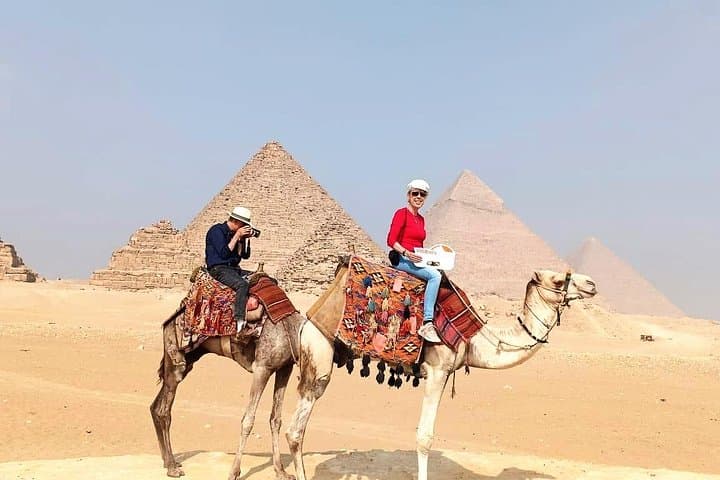
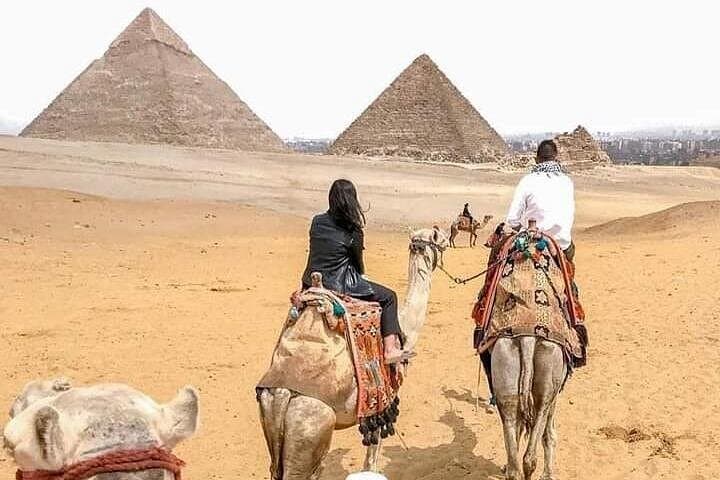
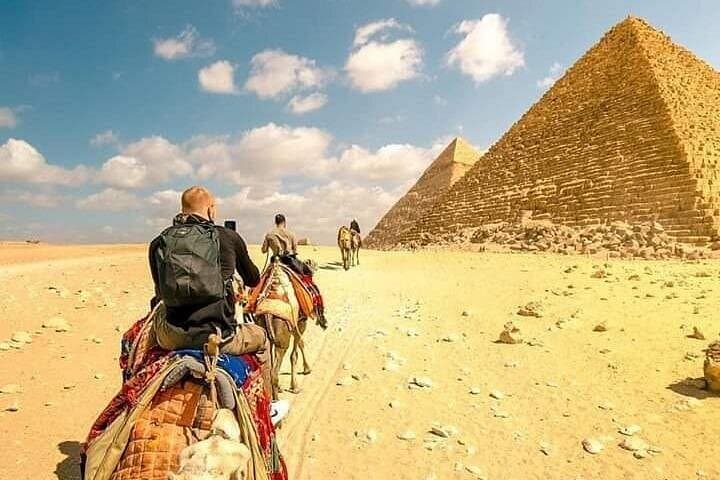
The sun slides low over a wide, sandy plain and the three pyramids cast long, geometric shadows that seem to push the horizon back a few thousand years. You climb into a saddle and the camel rises with a quiet inhale; the desert air nudges the ride forward as the monuments loom—Cheops, Chephren and Mykerinus—ancient architecture meeting present motion.
The sun slides low over a wide, sandy plain and the three pyramids cast long, geometric shadows that seem to push the horizon back a few thousand years. You climb into a saddle and the camel rises with a quiet inhale; the desert air nudges the ride forward as the monuments loom—Cheops, Chephren and Mykerinus—ancient architecture meeting present motion.
This stretch of the Giza Plateau is both archaeological stage and living landscape. The pyramids date to Egypt’s Old Kingdom (c. 2600–2500 BCE) and were built as royal tombs; the limestone bedrock beneath your feet is a folded record of ancient seas and tectonic uplift. Local culture mixes Bedouin horsemanship with modern tour logistics—guides translate history into the cadence of steps and dunes.
Expect a short, accessible safari-style circuit rather than a long desert expedition: rides typically last under an hour with pickups and drop-offs in an air-conditioned vehicle. Photography windows are frequent; the Sphinx and the Solar Boat Museum are close by for quick stops. The plateau’s wind often shapes sand into moving ridges that seem to dare you to keep pace.
Practical guidance: arrive hydrated, wear closed-toe shoes and sun protection, and be ready for uneven footing when mounting. Respect marked areas—climbing the pyramids is prohibited—and follow your guide’s instructions for animal welfare. Evenings are cooler and softer for photos; midday brings flat light and heat. Choosing a sunset slot maximizes contrast and comfort while minimizing glare.