THE ADVENTURE COLLECTIVE® · Independent discovery and booking for outdoor travel

Turn Cambridge’s streets into a tactical playground with a one-hour app-driven scavenger hunt: collect survival items, complete themed challenges, and compete on a leaderboard while a remote host monitors your progress. Ideal for groups who want a playful, strategic urban adventure.
Turn Cambridge’s streets into a tactical playground with a one-hour app-driven scavenger hunt: collect survival items, complete themed challenges, and compete on a leaderboard while a remote host monitors your progress. Ideal for groups who want a playful, strategic urban adventure.
Cobblestones and brick facades blur as your team taps through a list of absurdly specific supplies: canned goods, a toy wrench, a striped scarf. The game begins with a ping on your phone and a remote host watching your progress; Cambridge—its squares, alleyways and university quads—becomes a playground and a map of survival priorities.
Verified experiences and guided adventures in the surrounding area.
Operated by Zombie Scavengers Hunts · Cambridge, Massachusetts
Cobblestones and brick facades blur as your team taps through a list of absurdly specific supplies: canned goods, a toy wrench, a striped scarf. The game begins with a ping on your phone and a remote host watching your progress; Cambridge—its squares, alleyways and university quads—becomes a playground and a map of survival priorities.
The city’s streets carry layers of history: Puritan-era planning from the 1600s, Revolutionary War sites like the Longfellow House that once served as Washington’s headquarters, and the 19th–20th century expansion tied to Harvard and MIT. Geology here is urbanized but readable—the Charles River’s floodplain and glacial deposits shaped low-lying flats and short bluffs where you’ll weave between academic buildings and municipal parks.
Culturally, Cambridge is equal parts campus life and innovation hub, so expect a mix of students, commuters and tourists as your team hustles for points. The scavenger format rewards curiosity and strategy more than speed: pick compact routes, use public squares as staging areas, and factor in foot traffic around peak hours.
Practical guidance: this is a self-guided, one-hour walking activity driven by a mobile app; bring a fully charged smartphone and a portable battery, wear comfortable walking shoes, and plan for light urban navigation rather than rugged terrain. Start in the morning or early evening to avoid the busiest stretches; the remote host is available by chat if you need help. Keep public-space etiquette in mind—respect private property and historic sites while you race for survival.
easy.
1 hour.
Suitable for most fitness levels; requires only light walking and basic urban mobility.
The experience is designed as a one-hour self-guided walking game, though teams may take slightly longer depending on pace and strategy.
Yes—the game uses a mobile app to present item lists, challenges and the leaderboard; ensure your device has internet access.
Yes—it's family-friendly and stroller accessible, but younger children will need supervision to navigate streets safely.
Your remote host monitors progress via the app and can communicate by chat to help troubleshoot or provide instructions to resume play.
Cambridge was founded in 1630 and played a role in the Revolutionary War; it later became home to Harvard (1636) and a global center of research and education.
Stick to sidewalks and public parks, avoid disrupting historic sites, and carry out any trash; small-group city games help minimize impact when participants follow local rules.
Zombie Scavengers Hunts operates guided outdoor trips and adventures with an emphasis on safety, stewardship, and memorable experiences.

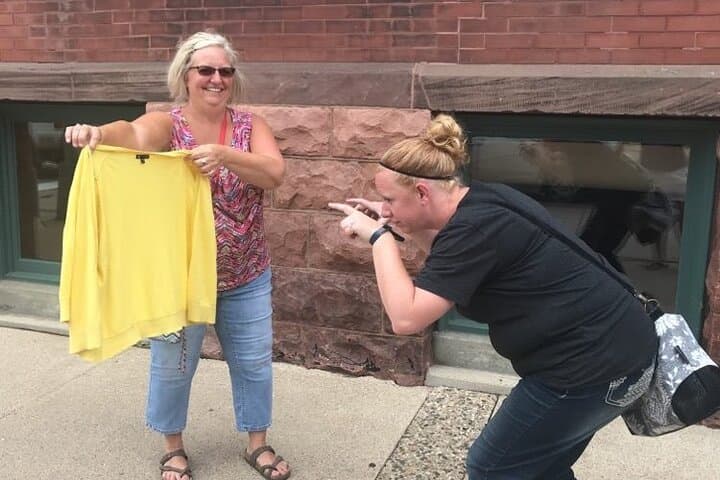

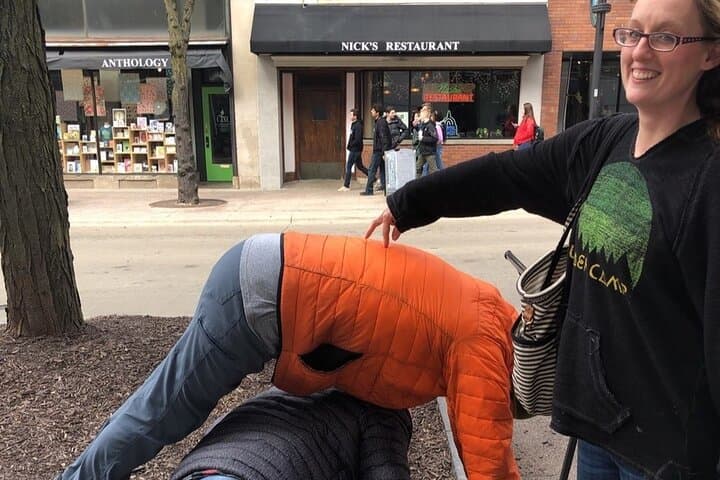
Cobblestones and brick facades blur as your team taps through a list of absurdly specific supplies: canned goods, a toy wrench, a striped scarf. The game begins with a ping on your phone and a remote host watching your progress; Cambridge—its squares, alleyways and university quads—becomes a playground and a map of survival priorities.
Cobblestones and brick facades blur as your team taps through a list of absurdly specific supplies: canned goods, a toy wrench, a striped scarf. The game begins with a ping on your phone and a remote host watching your progress; Cambridge—its squares, alleyways and university quads—becomes a playground and a map of survival priorities.
The city’s streets carry layers of history: Puritan-era planning from the 1600s, Revolutionary War sites like the Longfellow House that once served as Washington’s headquarters, and the 19th–20th century expansion tied to Harvard and MIT. Geology here is urbanized but readable—the Charles River’s floodplain and glacial deposits shaped low-lying flats and short bluffs where you’ll weave between academic buildings and municipal parks.
Culturally, Cambridge is equal parts campus life and innovation hub, so expect a mix of students, commuters and tourists as your team hustles for points. The scavenger format rewards curiosity and strategy more than speed: pick compact routes, use public squares as staging areas, and factor in foot traffic around peak hours.
Practical guidance: this is a self-guided, one-hour walking activity driven by a mobile app; bring a fully charged smartphone and a portable battery, wear comfortable walking shoes, and plan for light urban navigation rather than rugged terrain. Start in the morning or early evening to avoid the busiest stretches; the remote host is available by chat if you need help. Keep public-space etiquette in mind—respect private property and historic sites while you race for survival.