THE ADVENTURE COLLECTIVE® · Independent discovery and booking for outdoor travel

Walk from riverbank to rainforest at the Wilder Institute/Calgary Zoo: seven themed zones, conservation programs, and accessible pathways make it a practical half‑day of wildlife viewing. Read on for what to expect and how to plan your visit.
Walk from riverbank to rainforest at the Wilder Institute/Calgary Zoo: seven themed zones, conservation programs, and accessible pathways make it a practical half‑day of wildlife viewing. Read on for what to expect and how to plan your visit.
You step off the bridge onto St. George’s Island and the river’s current instantly reorders your pace: city noise softens, gulls argue, and pathways thread through exhibits that make animals the main characters. At the Wilder Institute/Calgary Zoo, pathways bend around wetlands and conservatory glass, pulling you from prairie grass to penguin pools and tropical palms in a single loop.
Verified experiences and guided adventures in the surrounding area.
Operated by Wilder Institute/Calgary Zoo · Calgary, Alberta
You step off the bridge onto St. George’s Island and the river’s current instantly reorders your pace: city noise softens, gulls argue, and pathways thread through exhibits that make animals the main characters. At the Wilder Institute/Calgary Zoo, pathways bend around wetlands and conservatory glass, pulling you from prairie grass to penguin pools and tropical palms in a single loop.
Opened in the early 20th century and grown into one of Canada’s leading conservation centers, the zoo sits where the Bow River carved low terraces of gravel and silt—geology that made the island a natural place for human and animal gathering. The site’s history charts everything from Indigenous use of the river corridor to modern wildlife research led by the Wilder Institute. Cultural programs often highlight Alberta species and the role of urban green space in city life.
Seven themed zones—Wild Canada, Destination Africa, Exploration Asia, Penguin Plunge, ENMAX Conservatory, Dorothy Harvie Gardens, and Prehistoric Park—offer short transitions of habitat and tone. Expect accessible boardwalks, viewing platforms, and interpretive signs; some areas are indoor, some open-air. Animals and habitats are presented with conservation messaging rather than spectacle: you’ll see how breeding programs and fieldwork connect to species survival.
Practical guidance: plan 2–4 hours for a thorough visit (admission allows up to a full day), arrive early to avoid peak crowds, and take the last admission cutoff into account (last entry typically 1 hour before close). Carry refillable water, layer for river-borne winds, and leave large tripods and professional gear unless pre-authorized. The zoo is wheelchair accessible and offers seasonal events—check dates and book tickets in advance for holidays.
easy.
1–9 hours.
Light to moderate mobility recommended—expect walking on paved and gravel surfaces with some inclines and stairs.
Hours vary by season; last admission is typically one hour before closing—check the zoo’s calendar before you go.
Yes—the Calgary Zoo has accessible paths and facilities; some indoor exhibits have elevators or ramps.
Yes—there are picnic areas and food outlets, but wildlife-safe practices are enforced and feeding animals is prohibited.
No—pets are not permitted inside exhibits to protect animal health and visitor safety, except service animals.
The zoo expanded from a small early-20th-century park into a conservation and research hub; recent development emphasizes species recovery and habitat simulation.
The Wilder Institute runs captive-breeding, research, and habitat-restoration programs; visitors can support efforts by following on-site recycling and wildlife-safe guidelines.
Wilder Institute/Calgary Zoo operates guided outdoor trips and adventures with an emphasis on safety, stewardship, and memorable experiences.


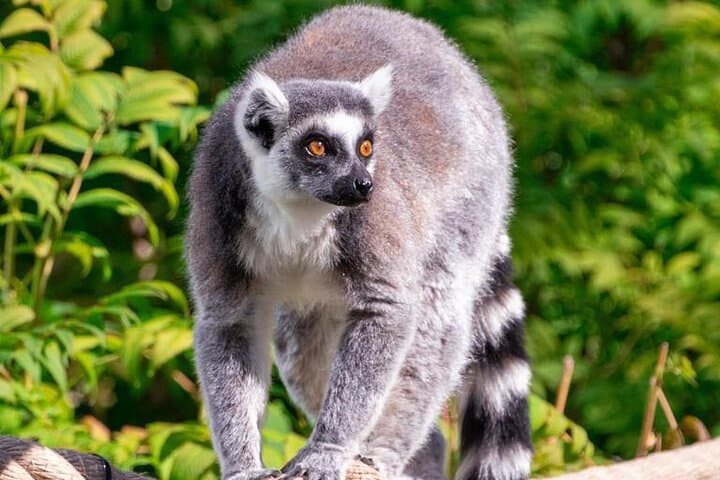
You step off the bridge onto St. George’s Island and the river’s current instantly reorders your pace: city noise softens, gulls argue, and pathways thread through exhibits that make animals the main characters. At the Wilder Institute/Calgary Zoo, pathways bend around wetlands and conservatory glass, pulling you from prairie grass to penguin pools and tropical palms in a single loop.
You step off the bridge onto St. George’s Island and the river’s current instantly reorders your pace: city noise softens, gulls argue, and pathways thread through exhibits that make animals the main characters. At the Wilder Institute/Calgary Zoo, pathways bend around wetlands and conservatory glass, pulling you from prairie grass to penguin pools and tropical palms in a single loop.
Opened in the early 20th century and grown into one of Canada’s leading conservation centers, the zoo sits where the Bow River carved low terraces of gravel and silt—geology that made the island a natural place for human and animal gathering. The site’s history charts everything from Indigenous use of the river corridor to modern wildlife research led by the Wilder Institute. Cultural programs often highlight Alberta species and the role of urban green space in city life.
Seven themed zones—Wild Canada, Destination Africa, Exploration Asia, Penguin Plunge, ENMAX Conservatory, Dorothy Harvie Gardens, and Prehistoric Park—offer short transitions of habitat and tone. Expect accessible boardwalks, viewing platforms, and interpretive signs; some areas are indoor, some open-air. Animals and habitats are presented with conservation messaging rather than spectacle: you’ll see how breeding programs and fieldwork connect to species survival.
Practical guidance: plan 2–4 hours for a thorough visit (admission allows up to a full day), arrive early to avoid peak crowds, and take the last admission cutoff into account (last entry typically 1 hour before close). Carry refillable water, layer for river-borne winds, and leave large tripods and professional gear unless pre-authorized. The zoo is wheelchair accessible and offers seasonal events—check dates and book tickets in advance for holidays.