THE ADVENTURE COLLECTIVE® · Independent discovery and booking for outdoor travel

Step into the Sam Centre to trace the Calgary Stampede’s rise from ranch fairs to global rodeo spectacle. This guide covers what to expect, key exhibits, accessibility and timing so you can plan a focused 2–4 hour visit.
Step into the Sam Centre to trace the Calgary Stampede’s rise from ranch fairs to global rodeo spectacle. This guide covers what to expect, key exhibits, accessibility and timing so you can plan a focused 2–4 hour visit.
You step from the hum of 39th Avenue into a dimmed gallery where projected rodeo rides, archival footage and preserved chuckwagons map the Stampede’s long relationship with Alberta’s ranch country.
Verified experiences and guided adventures in the surrounding area.
Operated by Calgary Stampede's Sam Centre · Calgary, Alberta
You step from the hum of 39th Avenue into a dimmed gallery where projected rodeo rides, archival footage and preserved chuckwagons map the Stampede’s long relationship with Alberta’s ranch country.
The Sam Centre frames The Greatest Outdoor Show on Earth as a storytelling exhibit: artifacts from early 20th‑century cowboys sit next to immersive video that explains how the prairie, the Bow River corridor and settler ranching culture shaped modern Calgary. Indigenous contributions to Calgary’s rodeo culture are present in interpretive panels and oral histories, while the displays trace how agricultural fairs evolved into an international event that draws performers and livestock from across North America.
Geology here is indirect — the centre interprets human relationships with the foothills and prairie grasslands rather than bedrock — but the displays frequently reference seasonal flood cycles of the Bow River and the working landscape that produced the stock and horses central to the Stampede’s history.
Practical guidance: plan 2–4 hours. Audio‑visual shows run on a schedule; check showtimes to avoid missing short films. The centre is wheelchair accessible and family friendly; public transit drops you at Stampede Park. Combine a visit with a Saddledome tour, a walk along the Elbow River pathway, or a Stampede Park event if your trip coincides with July activities.
Expect quieter galleries in weekdays and heavier crowds during Stampede week. Photography for personal use is generally allowed, but large tripods and commercial shoots require advance permission. Bring layers — exhibit theaters are often cooler than the outdoor plaza.
easy.
2–4 hours.
Suitable for all fitness levels; mostly indoor walking on flat surfaces
Plan 2–4 hours to see exhibits and catch the multimedia presentations without rushing.
Yes — the centre and surrounding surfaces are wheelchair and stroller accessible; accessible transport options are nearby.
Standard policy allows a full refund if you cancel at least 24 hours before your scheduled visit; check your booking for details.
Children are welcome and exhibits are family friendly; service animals are allowed but pets are not permitted inside.
The Calgary Stampede grew from early 20th‑century agricultural fairs and rodeo competitions; the Sam Centre curates that arc through artifacts, film and oral history.
Displays highlight stewardship of prairie landscapes and livestock welfare; visitors can reduce impact by using public transit and staying on designated paths.
Calgary Stampede's Sam Centre operates guided outdoor trips and adventures with an emphasis on safety, stewardship, and memorable experiences.
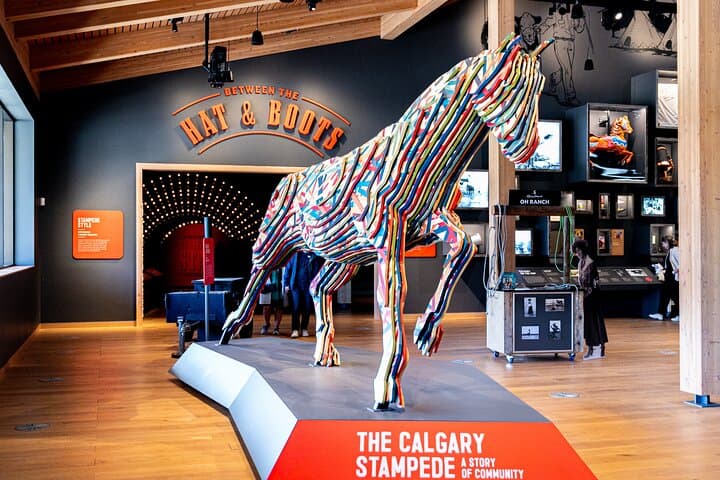
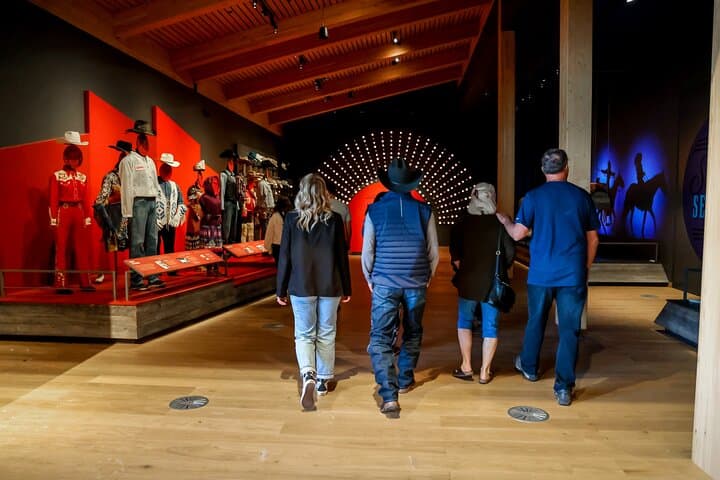
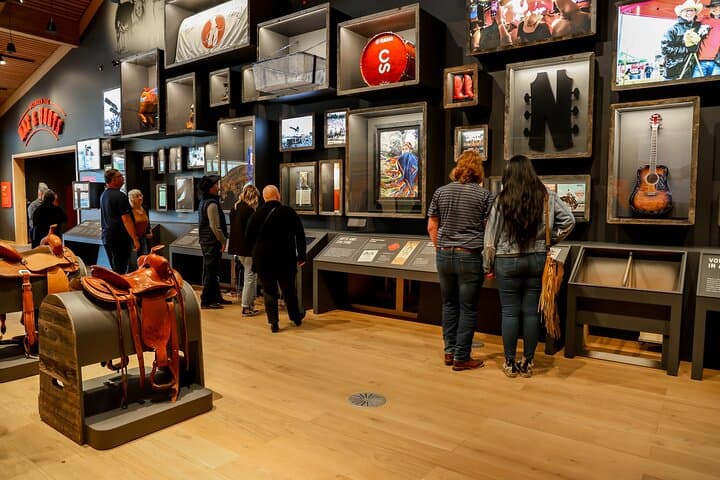
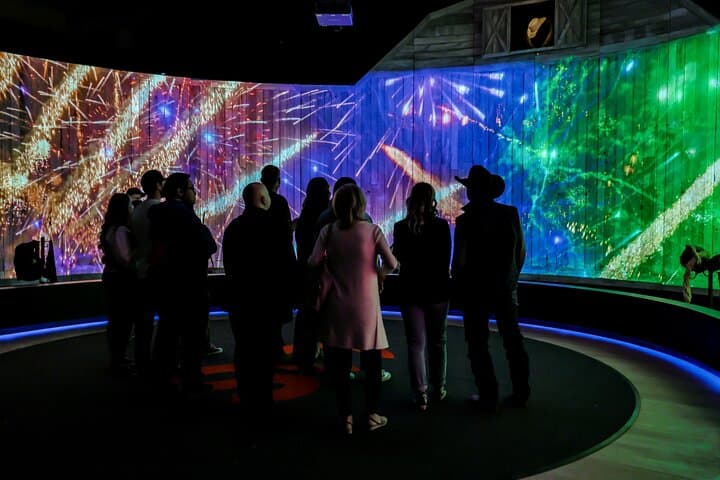
You step from the hum of 39th Avenue into a dimmed gallery where projected rodeo rides, archival footage and preserved chuckwagons map the Stampede’s long relationship with Alberta’s ranch country.
You step from the hum of 39th Avenue into a dimmed gallery where projected rodeo rides, archival footage and preserved chuckwagons map the Stampede’s long relationship with Alberta’s ranch country.
The Sam Centre frames The Greatest Outdoor Show on Earth as a storytelling exhibit: artifacts from early 20th‑century cowboys sit next to immersive video that explains how the prairie, the Bow River corridor and settler ranching culture shaped modern Calgary. Indigenous contributions to Calgary’s rodeo culture are present in interpretive panels and oral histories, while the displays trace how agricultural fairs evolved into an international event that draws performers and livestock from across North America.
Geology here is indirect — the centre interprets human relationships with the foothills and prairie grasslands rather than bedrock — but the displays frequently reference seasonal flood cycles of the Bow River and the working landscape that produced the stock and horses central to the Stampede’s history.
Practical guidance: plan 2–4 hours. Audio‑visual shows run on a schedule; check showtimes to avoid missing short films. The centre is wheelchair accessible and family friendly; public transit drops you at Stampede Park. Combine a visit with a Saddledome tour, a walk along the Elbow River pathway, or a Stampede Park event if your trip coincides with July activities.
Expect quieter galleries in weekdays and heavier crowds during Stampede week. Photography for personal use is generally allowed, but large tripods and commercial shoots require advance permission. Bring layers — exhibit theaters are often cooler than the outdoor plaza.