THE ADVENTURE COLLECTIVE® · Independent discovery and booking for outdoor travel

Head east from Medellín into the Calderas valley for a full-day Class III–IV rafting run through steep Andean terrain. Expect rugged rapids, a 4x4 approach, a farm lunch, and biodiverse cloud-forest scenery.
Head east from Medellín into the Calderas valley for a full-day Class III–IV rafting run through steep Andean terrain. Expect rugged rapids, a 4x4 approach, a farm lunch, and biodiverse cloud-forest scenery.
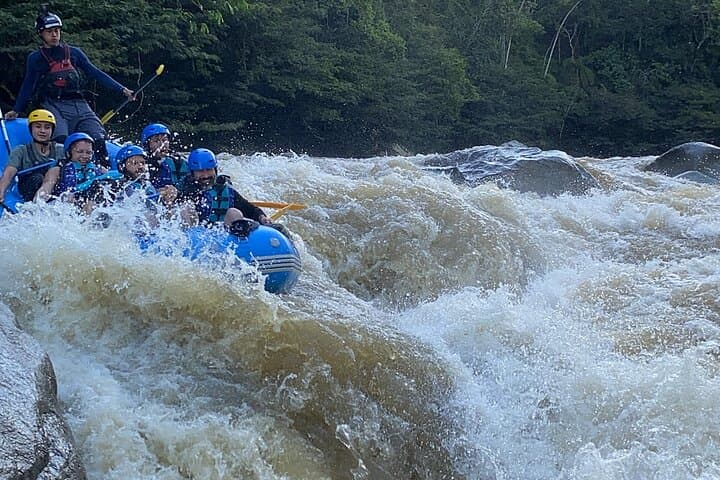
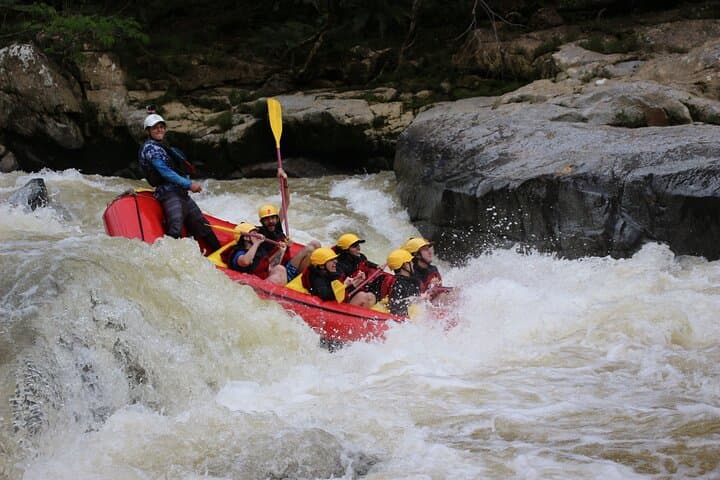
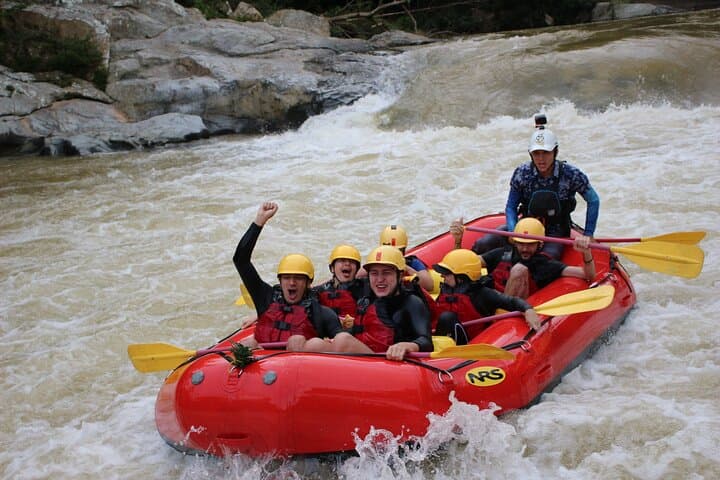
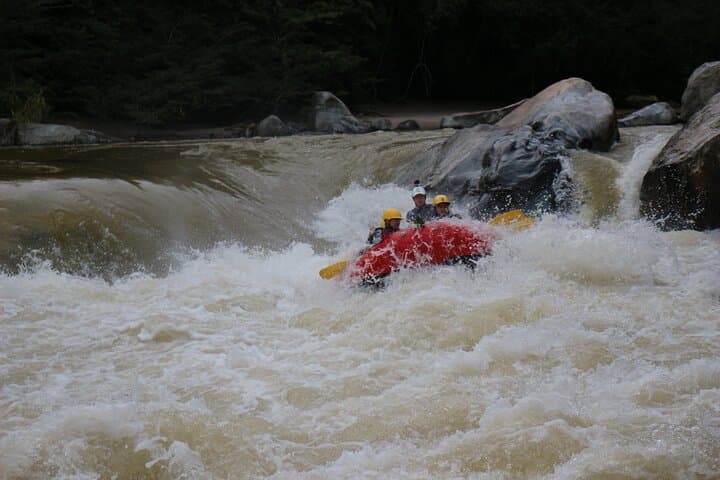
The morning air smells of wet earth as the van peels away from Medellín and the city’s concrete gives way to steep, green slopes. After about 1.5 hours you reach the Cocorná valley, where a 4x4 grinds higher into ridged farmland and cloud forest until the river roars into view — the Calderas, pushing you toward three hours of Class III–IV rapids.
Verified experiences and guided adventures in the surrounding area.
Operated by Antioquia Adventures · Cocorná, Antioquia
The morning air smells of wet earth as the van peels away from Medellín and the city’s concrete gives way to steep, green slopes. After about 1.5 hours you reach the Cocorná valley, where a 4x4 grinds higher into ridged farmland and cloud forest until the river roars into view — the Calderas, pushing you toward three hours of Class III–IV rapids.
This stretch of Antioquia sits on the eastern flank of the Central Andes, where volcanic-derived soils feed lush secondary forest and small coffee and plantain farms. Rivers here carve through layered andesitic rocks, giving the Calderas its tight channels and punchy drops. Local communities are agricultural and historically rural, shaped by peasant economies and a resilient culture that welcomes visitors with coffee, fruit, and stories of the valley.
On the water expect high-energy runs interspersed with calmer pools for floating and photos. Guides provide helmet, vest, paddle, and safety briefings; the full-day outing includes a 4x4 approach to the put-in, snacks, and lunch at a farmhouse. The trip is ideal if you have a moderate to strong fitness base and basic swimming comfort — it’s not a lazy float.
Practical notes: wear secure water shoes and quick-dry layers, bring a waterproof camera or dry bag, and plan for sudden weather shifts — spring and fall rains can swell the river and raise difficulty. Respect local crews and leave no trace; the river’s health depends on how visitors treat the valley.
challenging.
7–8 hours.
Good cardiovascular fitness and comfort in moving water; able to paddle and brace for up to three hours on the river.
Typically about 1.5 hours to Cocorná, then an additional 4x4 transfer of roughly 45–60 minutes to the river access.
The trip runs Class III–IV rapids—guided teams make it accessible for fit beginners and intermediates, but it requires following safety instructions and some paddling experience is helpful.
Private transportation, safety gear (helmet, life vest, paddle), snacks, lunch, and professional guides are included as described by the operator.
Operators typically require participants to meet minimum fitness standards and will ask for weight, age, and health details during booking; pregnant travelers and those with serious heart or spinal conditions are advised not to participate.
The Cocorná valley is rooted in small-scale agriculture and coffee growing; local towns retain peasant traditions and storytelling tied to the land.
River corridors here are sensitive—avoid single-use plastics, stick to marked access points, and support local guide crews to help sustain community-based conservation.
Antioquia Adventures operates guided outdoor trips and adventures with an emphasis on safety, stewardship, and memorable experiences.
The morning air smells of wet earth as the van peels away from Medellín and the city’s concrete gives way to steep, green slopes. After about 1.5 hours you reach the Cocorná valley, where a 4x4 grinds higher into ridged farmland and cloud forest until the river roars into view — the Calderas, pushing you toward three hours of Class III–IV rapids.
The morning air smells of wet earth as the van peels away from Medellín and the city’s concrete gives way to steep, green slopes. After about 1.5 hours you reach the Cocorná valley, where a 4x4 grinds higher into ridged farmland and cloud forest until the river roars into view — the Calderas, pushing you toward three hours of Class III–IV rapids.
This stretch of Antioquia sits on the eastern flank of the Central Andes, where volcanic-derived soils feed lush secondary forest and small coffee and plantain farms. Rivers here carve through layered andesitic rocks, giving the Calderas its tight channels and punchy drops. Local communities are agricultural and historically rural, shaped by peasant economies and a resilient culture that welcomes visitors with coffee, fruit, and stories of the valley.
On the water expect high-energy runs interspersed with calmer pools for floating and photos. Guides provide helmet, vest, paddle, and safety briefings; the full-day outing includes a 4x4 approach to the put-in, snacks, and lunch at a farmhouse. The trip is ideal if you have a moderate to strong fitness base and basic swimming comfort — it’s not a lazy float.
Practical notes: wear secure water shoes and quick-dry layers, bring a waterproof camera or dry bag, and plan for sudden weather shifts — spring and fall rains can swell the river and raise difficulty. Respect local crews and leave no trace; the river’s health depends on how visitors treat the valley.