THE ADVENTURE COLLECTIVE® · Independent discovery and booking for outdoor travel

Watch Santorini’s caldera go electric at sunset while tasting volcanic Assyrtiko and Vinsanto. This four-hour private tour combines a cave wine museum visit, a climb through Pyrgos’ lanes, and a cliffside tasting as the sun dips into the Aegean.
Watch Santorini’s caldera go electric at sunset while tasting volcanic Assyrtiko and Vinsanto. This four-hour private tour combines a cave wine museum visit, a climb through Pyrgos’ lanes, and a cliffside tasting as the sun dips into the Aegean.
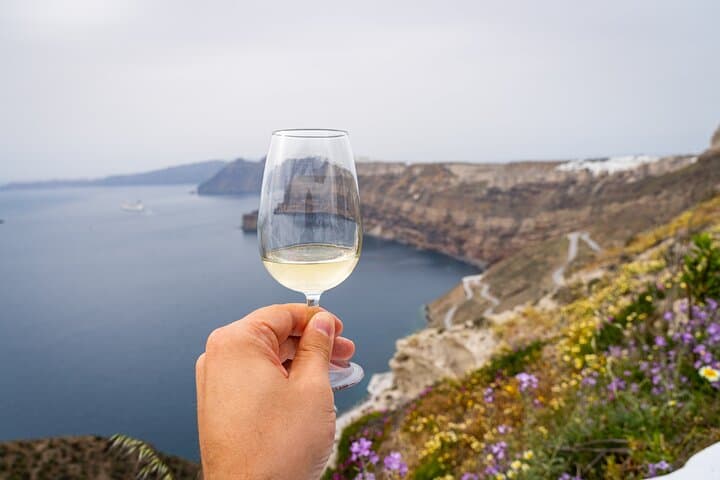
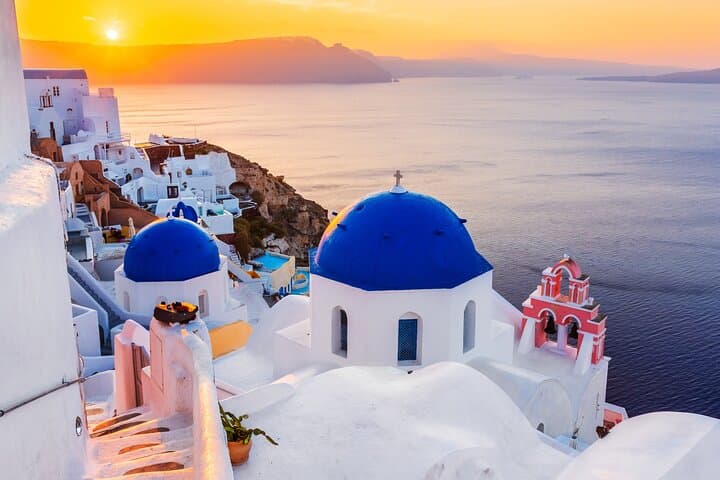
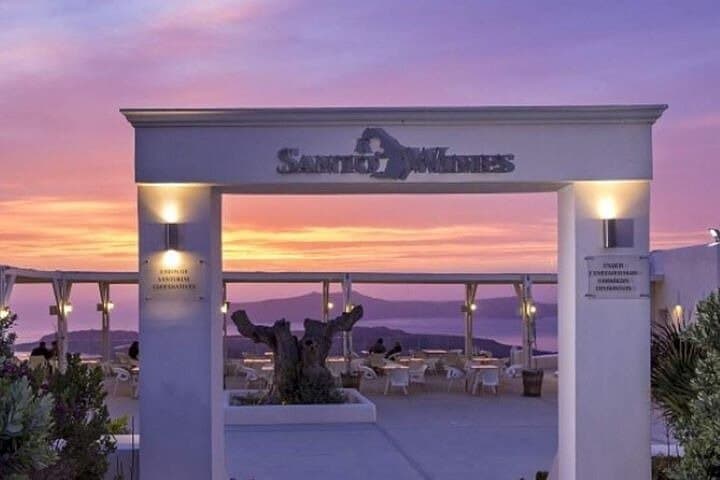
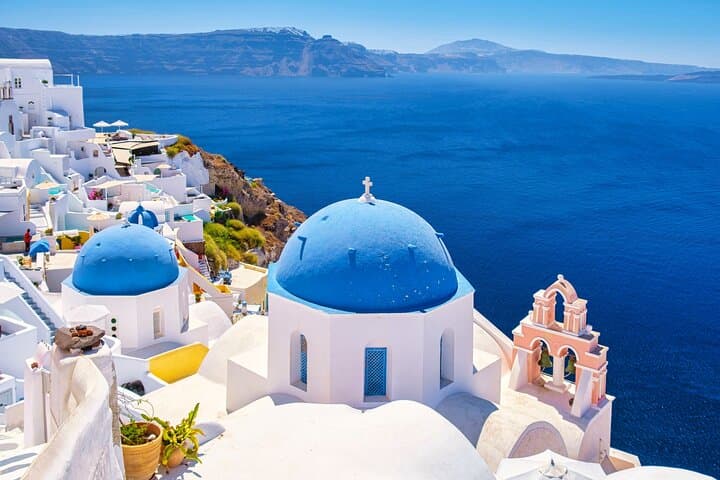
The sky low over the caldera turns molten as you step out of the van and the Aegean wind nudges the first sip toward your lips. You begin underground: a cave-wine museum carved into volcanic rock where amphorae and bent barrels tell the story of vine-growers on this island. Later, a clifftop winery unfurls its terrace alongside the rim; the sea drops away and the sun makes the caldera glow.
Verified experiences and guided adventures in the surrounding area.
Operated by Olive Sea Travel · Fira, Cyclades
The sky low over the caldera turns molten as you step out of the van and the Aegean wind nudges the first sip toward your lips. You begin underground: a cave-wine museum carved into volcanic rock where amphorae and bent barrels tell the story of vine-growers on this island. Later, a clifftop winery unfurls its terrace alongside the rim; the sea drops away and the sun makes the caldera glow.
Santorini’s wines are products of fire and ash — volcanic pumice, minimal topsoil and whitewashed terraces force vines to root deep and produce Assyrtiko, the island’s mineral-driven grape, and the sun-dried sweet Vinsanto. The route through Pyrgos offers a glimpse of old stone lanes and Cycladic living, while the museum traces winemaking from local peasant traditions to modern protected-origin practices.
Expect a relaxed four-hour private transfer tour that pairs storytelling with four tasting pours and local bites. The experience balances tasting technique with island context: why vine roots hug pumice, how terraces conserve moisture, and where sugar-concentration makes Vinsanto unique.
Practical notes: sunsets draw crowds—arrive early for the best terrace seat; layers are essential as temperatures fall quickly after dusk; bring a camera with low-light settings for the caldera glow. Hotel and port pickup are typically included, and guides often share insider tips on cellar visits and where to buy authentic bottles to take home.
easy.
4 hours.
Suitable for most fitness levels; involves short walks and some standing during tastings
Yes—private hotel and port pickup/drop-off are typically included; confirm your pickup point when booking.
The tour commonly includes four wine pours, often featuring Assyrtiko and Vinsanto among others.
The museum is partially subterranean and may include uneven surfaces; it’s generally accessible but check in advance for specific mobility needs.
Most wineries sell bottles and can advise on shipping or bring-home rules; check customs limits for your destination.
Santorini’s dramatic caldera is the remnant of the Bronze Age volcanic eruption that reshaped the island; local viticulture evolved to suit the volcanic soils and arid climate.
Terraced vineyards conserve scarce soil and water; visitors can support sustainable practices by buying local, avoiding single-use plastics, and staying on marked paths.
Olive Sea Travel operates guided outdoor trips and adventures with an emphasis on safety, stewardship, and memorable experiences.
The sky low over the caldera turns molten as you step out of the van and the Aegean wind nudges the first sip toward your lips. You begin underground: a cave-wine museum carved into volcanic rock where amphorae and bent barrels tell the story of vine-growers on this island. Later, a clifftop winery unfurls its terrace alongside the rim; the sea drops away and the sun makes the caldera glow.
The sky low over the caldera turns molten as you step out of the van and the Aegean wind nudges the first sip toward your lips. You begin underground: a cave-wine museum carved into volcanic rock where amphorae and bent barrels tell the story of vine-growers on this island. Later, a clifftop winery unfurls its terrace alongside the rim; the sea drops away and the sun makes the caldera glow.
Santorini’s wines are products of fire and ash — volcanic pumice, minimal topsoil and whitewashed terraces force vines to root deep and produce Assyrtiko, the island’s mineral-driven grape, and the sun-dried sweet Vinsanto. The route through Pyrgos offers a glimpse of old stone lanes and Cycladic living, while the museum traces winemaking from local peasant traditions to modern protected-origin practices.
Expect a relaxed four-hour private transfer tour that pairs storytelling with four tasting pours and local bites. The experience balances tasting technique with island context: why vine roots hug pumice, how terraces conserve moisture, and where sugar-concentration makes Vinsanto unique.
Practical notes: sunsets draw crowds—arrive early for the best terrace seat; layers are essential as temperatures fall quickly after dusk; bring a camera with low-light settings for the caldera glow. Hotel and port pickup are typically included, and guides often share insider tips on cellar visits and where to buy authentic bottles to take home.