THE ADVENTURE COLLECTIVE® · Independent discovery and booking for outdoor travel

Follow the Levda do Caldeirão Verde through UNESCO laurel forest to a dramatic waterfall bowl. This practical guide covers history, terrain, logistics and what to pack for the walk.
Follow the Levda do Caldeirão Verde through UNESCO laurel forest to a dramatic waterfall bowl. This practical guide covers history, terrain, logistics and what to pack for the walk.
A morning on the Caldeirão Verde levada begins with the narrow concrete channel slipping into the laurel forest like a ribbon of light, water daring you to keep pace. Damp moss cushions each step, and tunnels cut through basalt cliffs concentrate the sound of moving water until the forest itself seems to breathe. The trail ends at a bowl‑shaped gorge and a high waterfall—Caldeirão Verde—where spray writes its own weather on the rock.
Verified experiences and guided adventures in the surrounding area.
Operated by Nature Meetings · Santana, Madeira
A morning on the Caldeirão Verde levada begins with the narrow concrete channel slipping into the laurel forest like a ribbon of light, water daring you to keep pace. Damp moss cushions each step, and tunnels cut through basalt cliffs concentrate the sound of moving water until the forest itself seems to breathe. The trail ends at a bowl‑shaped gorge and a high waterfall—Caldeirão Verde—where spray writes its own weather on the rock.
The levadas are engineering born of necessity: centuries of channels built to move rain and mountain springs from the humid north into drier agricultural terraces of the south. Geology here is volcanic; dark basalt and laurisilva soils create steep ridges, frequent microclimates, and sudden bursts of fog. Culturally, the route threads past traditional Santana homes and through woodlands long protected—Madeira’s laurel forest is a UNESCO natural site notable for its endemic plants and small, vocal birds.
Expect a single‑track path with occasional handrails, short tunnels requiring headlamps, and a mix of packed earth and concrete edging that can be slick when wet. Guides often arrange transfers from Funchal or Santana; the walking segment typically takes four hours round‑trip while full tours run longer depending on pickups.
Practical guidance: wear sturdy waterproof hiking shoes, bring layers for rapidly changing weather, carry at least 1–2 liters of water and snacks, and use a headlamp for tunnels. Keep to the levada edge, respect fragile vegetation, and budget time for photos at viewpoints—this is a hike of steady rhythm, sudden vistas, and close conversation with Madeira’s living slopes.
moderate.
4–6 hours (hike); 7–9 hours (tour with transfers).
Moderate fitness—comfortable pace, steady footing and some exposure; stair‑free but sustained walking.
The round‑trip walking section typically takes about 4 hours; full tours including transfers run 7–9 hours depending on pickup point.
Tunnels are short but dark and sometimes narrow—bring a headlamp and move carefully; guides will advise on single‑file passage.
People with steady footing and moderate fitness can complete it; it's less suitable for those with severe vertigo or mobility limits due to narrow sections.
No permit is required; many travelers choose a guided tour for transfers, local knowledge, and safety on exposed sections.
The levadas were expanded between the 15th and 20th centuries to irrigate farmland—this network shaped settlement patterns and remains a working hydrological system.
The levada passes through Laurisilva, a protected UNESCO site—stay on trails to avoid trampling endemic plants and help preserve fragile moss and bryophyte communities.
Nature Meetings operates guided outdoor trips and adventures with an emphasis on safety, stewardship, and memorable experiences.
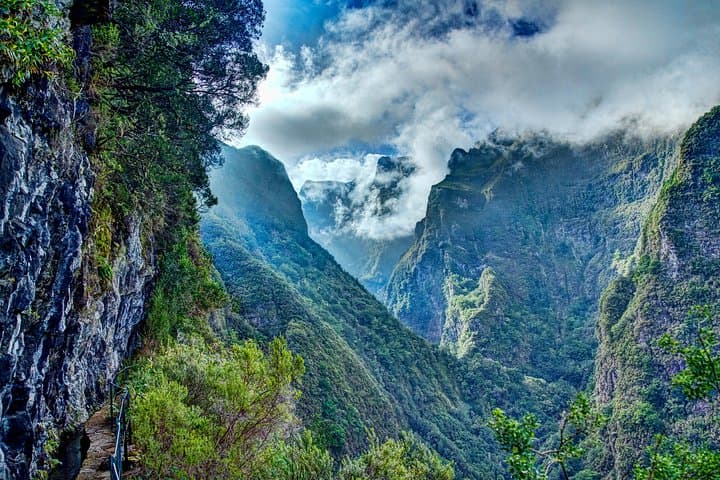
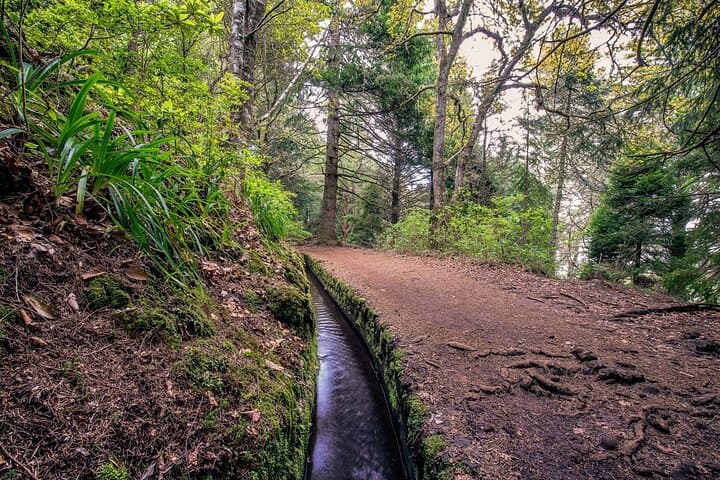
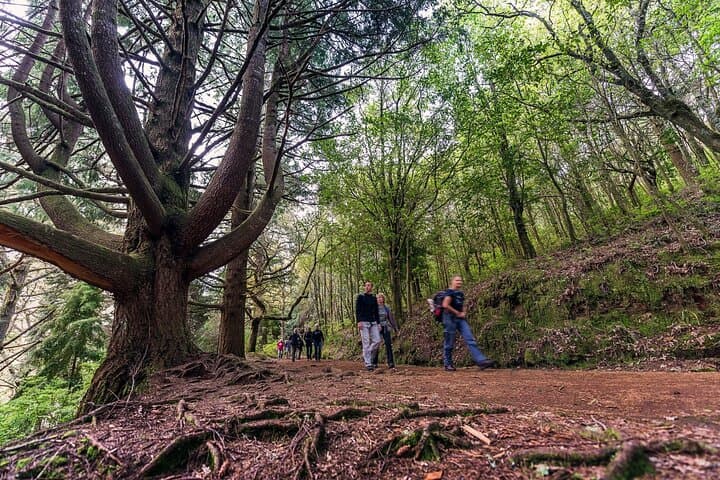
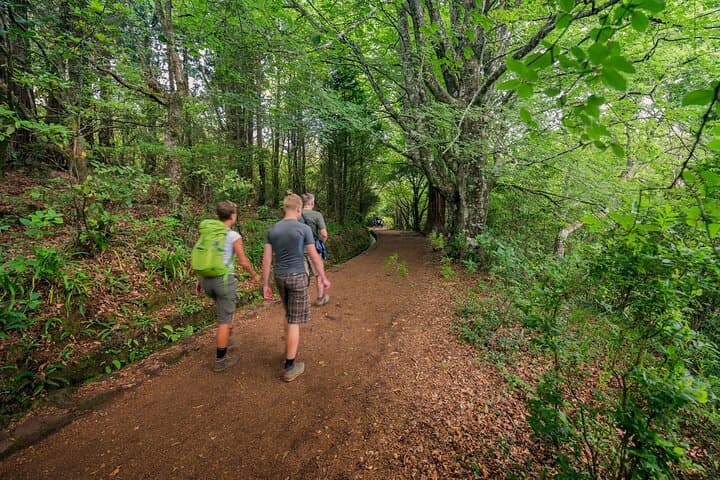
A morning on the Caldeirão Verde levada begins with the narrow concrete channel slipping into the laurel forest like a ribbon of light, water daring you to keep pace. Damp moss cushions each step, and tunnels cut through basalt cliffs concentrate the sound of moving water until the forest itself seems to breathe. The trail ends at a bowl‑shaped gorge and a high waterfall—Caldeirão Verde—where spray writes its own weather on the rock.
A morning on the Caldeirão Verde levada begins with the narrow concrete channel slipping into the laurel forest like a ribbon of light, water daring you to keep pace. Damp moss cushions each step, and tunnels cut through basalt cliffs concentrate the sound of moving water until the forest itself seems to breathe. The trail ends at a bowl‑shaped gorge and a high waterfall—Caldeirão Verde—where spray writes its own weather on the rock.
The levadas are engineering born of necessity: centuries of channels built to move rain and mountain springs from the humid north into drier agricultural terraces of the south. Geology here is volcanic; dark basalt and laurisilva soils create steep ridges, frequent microclimates, and sudden bursts of fog. Culturally, the route threads past traditional Santana homes and through woodlands long protected—Madeira’s laurel forest is a UNESCO natural site notable for its endemic plants and small, vocal birds.
Expect a single‑track path with occasional handrails, short tunnels requiring headlamps, and a mix of packed earth and concrete edging that can be slick when wet. Guides often arrange transfers from Funchal or Santana; the walking segment typically takes four hours round‑trip while full tours run longer depending on pickups.
Practical guidance: wear sturdy waterproof hiking shoes, bring layers for rapidly changing weather, carry at least 1–2 liters of water and snacks, and use a headlamp for tunnels. Keep to the levada edge, respect fragile vegetation, and budget time for photos at viewpoints—this is a hike of steady rhythm, sudden vistas, and close conversation with Madeira’s living slopes.