THE ADVENTURE COLLECTIVE® · Independent discovery and booking for outdoor travel

A controlled, guide-only descent into Faial’s volcanic caldera delivers steep, narrow trails, endemic forest pockets, and occasionally muddy crater bottoms. Because access is limited by Faial Natural Park, this private hike requires a certified guide and a good level of fitness.
A controlled, guide-only descent into Faial’s volcanic caldera delivers steep, narrow trails, endemic forest pockets, and occasionally muddy crater bottoms. Because access is limited by Faial Natural Park, this private hike requires a certified guide and a good level of fitness.
The trail drops away before the trees thin: a narrow ribbon of volcanic sand and roots that leads you through mist and the sharpened scent of lauroid shrubs. From the rim the Caldeira yawns—sheer walls ring a broad bowl where pockets of endemic forest cling to humid slopes and a small bog gathers rain. The descent feels intimate and exposed at once; rocks sometimes require hands-on scrambling and the ground can be sodden lower down.
Verified experiences and guided adventures in the surrounding area.
Operated by Our Island · Horta, Azores
The trail drops away before the trees thin: a narrow ribbon of volcanic sand and roots that leads you through mist and the sharpened scent of lauroid shrubs. From the rim the Caldeira yawns—sheer walls ring a broad bowl where pockets of endemic forest cling to humid slopes and a small bog gathers rain. The descent feels intimate and exposed at once; rocks sometimes require hands-on scrambling and the ground can be sodden lower down.
Geology here is recent and raw. The caldera formed by collapse and repeated eruptions; its soils host one of the last stands of native Azorean laurel and more than 60% of the islands’ endemic plant species. Designated a natural reserve in 1972, access is tightly controlled by Faial Natural Park—permits are limited and a certified guide is mandatory. Culturally, the caldera reads like a page from pre-settlement Azores: patches of primitive forest, peat pockets, and paths worn by shepherds and islanders over centuries.
Practical guidance is straightforward: expect steep, narrow sections and occasional scrambling; muddy stretches and shallow pools at the bottom are common. The guided, private format includes park fees, poles, and transfer—plan for roughly five hours on-foot and variable underfoot conditions. Footwear with good grip, rain protection, and a steady fitness level make the descent enjoyable rather than punishing.
Respect permit limits and the flora—stay on route, carry out waste, and use your guide’s experience to pick safe lines. Arrive hydrated, allow extra time for photos and brief stops, and be prepared for sudden weather changes on Faial’s exposed rim.
challenging.
5 hours.
Participants should have a high level of aerobic fitness, confident footing on steep and narrow trails, and some scrambling experience.
Faial Natural Park limits access to protect sensitive endemic habitats and to manage safety on a narrow, steep trail; certified guides are authorized and familiar with permitted routes.
The route is challenging: narrow, steep sections and some scrambling are frequently necessary—participants should be comfortable with exposure and using hands on rock moves.
Yes; the caldera contains humid habitats and small pools or muddy stretches, especially after rain—waterproof footwear and gaiters help.
The tour is not recommended for pregnant travelers or those with spinal/cardiovascular conditions; suitability for children depends on fitness and experience—check with the operator.
The Caldeira do Faial has been protected since 1972 as a natural reserve (IUCN Category I); its vegetation preserves a snapshot of pre-settlement Azorean forest.
Access is limited via permits and guided-only descents to protect endemic species and fragile soils—stick to trails, avoid trampling vegetation, and pack out all waste.
Our Island operates guided outdoor trips and adventures with an emphasis on safety, stewardship, and memorable experiences.
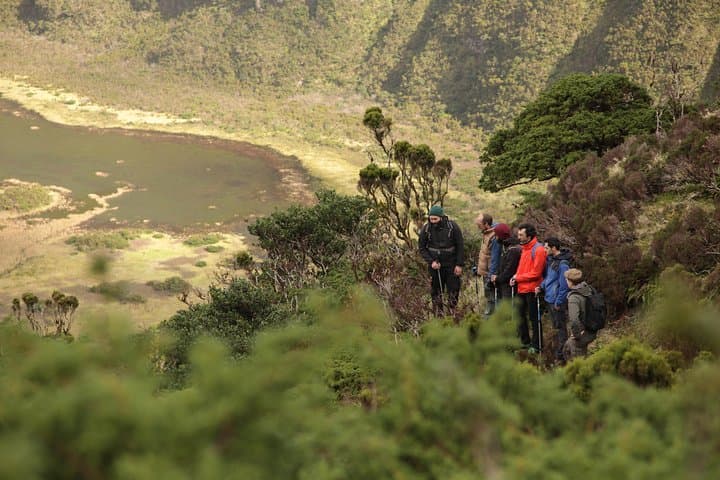
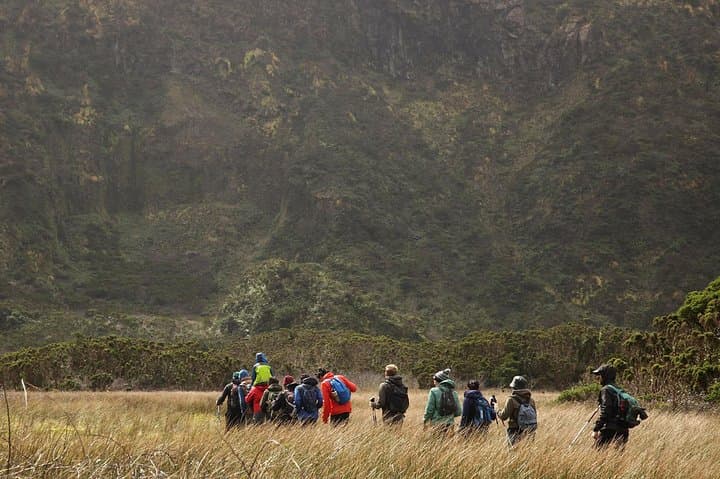
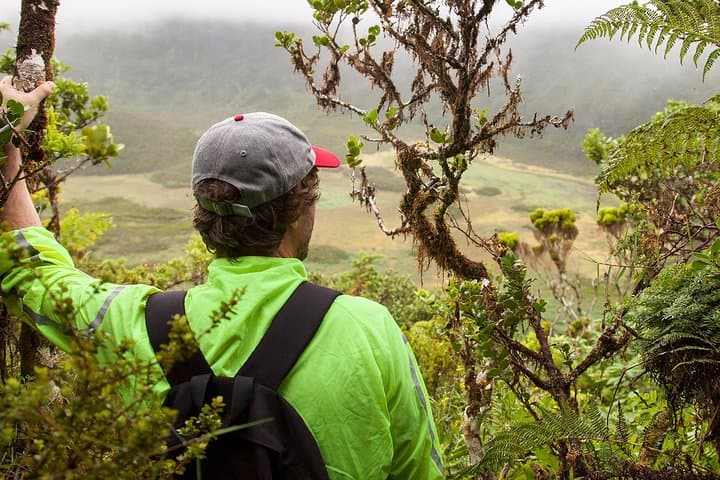
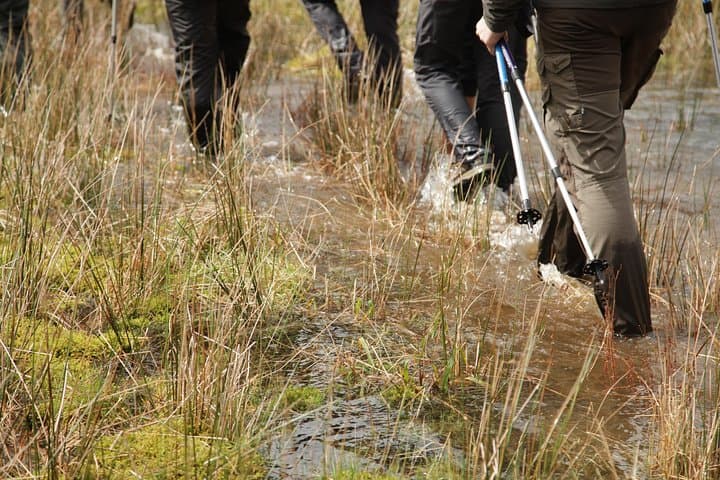
The trail drops away before the trees thin: a narrow ribbon of volcanic sand and roots that leads you through mist and the sharpened scent of lauroid shrubs. From the rim the Caldeira yawns—sheer walls ring a broad bowl where pockets of endemic forest cling to humid slopes and a small bog gathers rain. The descent feels intimate and exposed at once; rocks sometimes require hands-on scrambling and the ground can be sodden lower down.
The trail drops away before the trees thin: a narrow ribbon of volcanic sand and roots that leads you through mist and the sharpened scent of lauroid shrubs. From the rim the Caldeira yawns—sheer walls ring a broad bowl where pockets of endemic forest cling to humid slopes and a small bog gathers rain. The descent feels intimate and exposed at once; rocks sometimes require hands-on scrambling and the ground can be sodden lower down.
Geology here is recent and raw. The caldera formed by collapse and repeated eruptions; its soils host one of the last stands of native Azorean laurel and more than 60% of the islands’ endemic plant species. Designated a natural reserve in 1972, access is tightly controlled by Faial Natural Park—permits are limited and a certified guide is mandatory. Culturally, the caldera reads like a page from pre-settlement Azores: patches of primitive forest, peat pockets, and paths worn by shepherds and islanders over centuries.
Practical guidance is straightforward: expect steep, narrow sections and occasional scrambling; muddy stretches and shallow pools at the bottom are common. The guided, private format includes park fees, poles, and transfer—plan for roughly five hours on-foot and variable underfoot conditions. Footwear with good grip, rain protection, and a steady fitness level make the descent enjoyable rather than punishing.
Respect permit limits and the flora—stay on route, carry out waste, and use your guide’s experience to pick safe lines. Arrive hydrated, allow extra time for photos and brief stops, and be prepared for sudden weather changes on Faial’s exposed rim.