THE ADVENTURE COLLECTIVE® · Independent discovery and booking for outdoor travel

Follow Route 68 from Salta through the Quebrada de las Conchas to Cafayate for a full day of red-rock geology and high-altitude wine tasting. This 12-hour excursion pairs dramatic viewpoints—the Amphitheater, Garganta del Diablo—with a Torrontés tasting in the sunlit vineyards of the Calchaquí Valley.
Follow Route 68 from Salta through the Quebrada de las Conchas to Cafayate for a full day of red-rock geology and high-altitude wine tasting. This 12-hour excursion pairs dramatic viewpoints—the Amphitheater, Garganta del Diablo—with a Torrontés tasting in the sunlit vineyards of the Calchaquí Valley.
The coach peels out of Salta before dawn and the foothills begin to sharpen—first long shadows, then layers of orange and rust that climb the valley walls. Route 68 is a slow-motion reveal: banded cliffs, wind-carved amphitheaters and windows bored into the rock by millennia of water and sand. By mid-morning the bus stops at a narrow ravine called La Garganta del Diablo; the canyon’s throat seems to draw sound away, leaving only the harsh, dry air and a geological clarity that makes the colors look almost painted.
Verified experiences and guided adventures in the surrounding area.
Operated by Gray Line Argentina · Cafayate, Salta
The coach peels out of Salta before dawn and the foothills begin to sharpen—first long shadows, then layers of orange and rust that climb the valley walls. Route 68 is a slow-motion reveal: banded cliffs, wind-carved amphitheaters and windows bored into the rock by millennia of water and sand. By mid-morning the bus stops at a narrow ravine called La Garganta del Diablo; the canyon’s throat seems to draw sound away, leaving only the harsh, dry air and a geological clarity that makes the colors look almost painted.
This day trip is equal parts geology lesson and oenophile outing. The Quebrada de las Conchas Natural Reserve is the region’s open-air museum: sedimentary strata folded and exposed by the Andean uplift, oxidized iron lending those unmistakable reds and oranges, and sculpted hoodoos with names—Anfiteatro, Las Ventanas, Los Castillos—that map the drama of wind and water. The road climbs from 1,180 meters at departure to about 1,683 meters in Cafayate, where the valley flattens into vineyards that thrive on high-altitude sun and cold nights.
Cafayate’s wine culture sits on older human stories. The Calchaquí people worked the high valleys long before colonial vineyards arrived; Spanish missionaries later introduced European varieties. Torrontés, the region’s fingerprint white wine, sings bright floral notes here because of altitude, intense sunlight and large diurnal temperature swings. You'll taste Torrontés and local Malbecs in a family or cooperative bodega after a walk through a reddish ravine—an unusual pairing of raw desert geology and cultivated rows of grapes.
Practicalities are straightforward: plan for a 12-hour day (roughly 6:30 a.m. departure from Salta, back by early evening), mostly paved driving with short walks over gravel and compacted sand. Bring sunscreen, a refillable water bottle and shoes with traction for the uneven lookout trails. Lunch is not included—Cafayate has good cafés and parrillas—or bring snacks if you prefer to maximize time at photo stops. The tour is labeled easy and suitable for most fitness levels but expect long stretches seated and a few stepped viewpoints.
Local etiquette: wineries enforce an 18+ drinking age; tipping guides and drivers is appreciated. Environmentally, the landscape is fragile—stay on designated paths, pack out waste and respect vineyard boundaries. For photographers, the rock formations glow at low sun and the vineyard rows frame the valley best in late afternoon.
In short, this is a day that compresses southern Andean geology, high-altitude viticulture and clear desert light into a single, memorable route—one that rewards curious eyes and a taste for bright, aromatic wines.
easy.
12 hours.
Suitable for most fitness levels; requires ability to walk short uneven trails and sit through long drives
The tour is approximately 12 hours with pickup in downtown Salta between 6:30–7:15 a.m., returning late afternoon.
No, lunch is not included; there are restaurants in Cafayate or you can bring snacks to eat during stops.
Typically you’ll sample Torrontés and several local reds such as Malbec, Tannat or Cabernet Sauvignon at a regional bodega.
Children are welcome but must be accompanied by an adult; some viewpoints require short uneven walks and may be difficult for those with limited mobility.
Yes, the tour includes bilingual English and Spanish professional guides.
Photography is allowed at viewpoints; drone rules vary—check with your guide and local regulations before flying.
The Calchaquí Valley has been inhabited for centuries by the Diaguita-Calchaquí peoples; Spanish colonial vineyards later reshaped land use and introduced European grape varieties.
The area’s desert soils and vineyards are sensitive to erosion and water stress—stick to paths, avoid feeding wildlife, and support wineries with sustainable practices.
Gray Line Argentina operates guided outdoor trips and adventures with an emphasis on safety, stewardship, and memorable experiences.
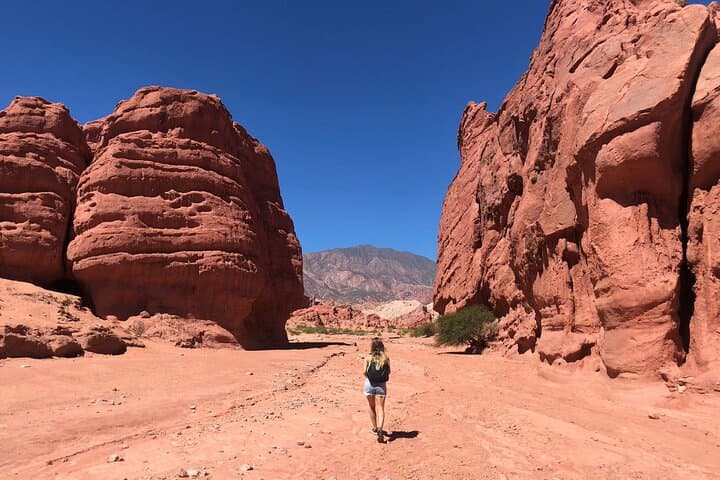
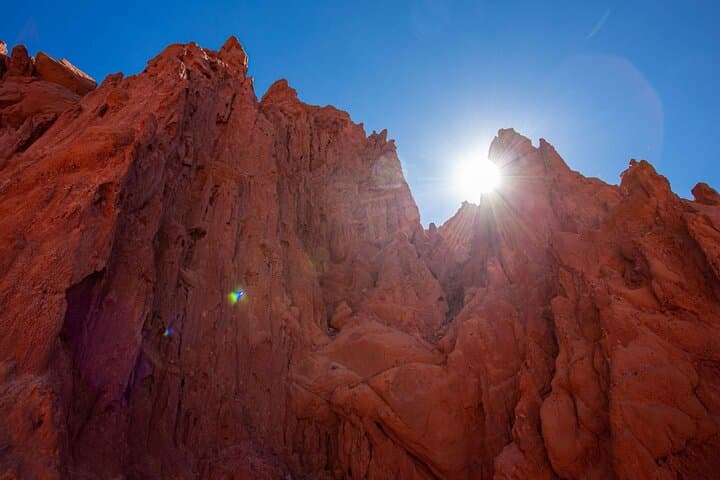
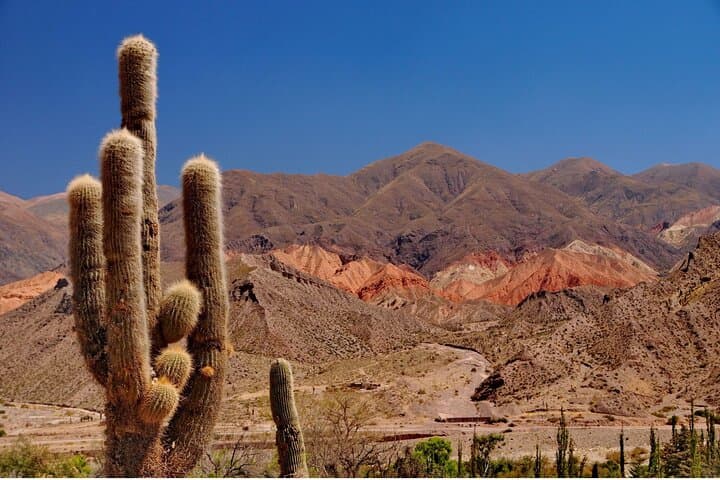
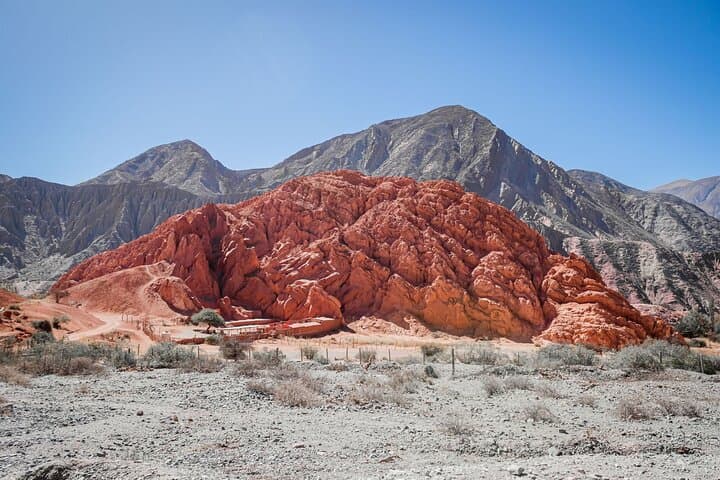
The coach peels out of Salta before dawn and the foothills begin to sharpen—first long shadows, then layers of orange and rust that climb the valley walls. Route 68 is a slow-motion reveal: banded cliffs, wind-carved amphitheaters and windows bored into the rock by millennia of water and sand. By mid-morning the bus stops at a narrow ravine called La Garganta del Diablo; the canyon’s throat seems to draw sound away, leaving only the harsh, dry air and a geological clarity that makes the colors look almost painted.
The coach peels out of Salta before dawn and the foothills begin to sharpen—first long shadows, then layers of orange and rust that climb the valley walls. Route 68 is a slow-motion reveal: banded cliffs, wind-carved amphitheaters and windows bored into the rock by millennia of water and sand. By mid-morning the bus stops at a narrow ravine called La Garganta del Diablo; the canyon’s throat seems to draw sound away, leaving only the harsh, dry air and a geological clarity that makes the colors look almost painted.
This day trip is equal parts geology lesson and oenophile outing. The Quebrada de las Conchas Natural Reserve is the region’s open-air museum: sedimentary strata folded and exposed by the Andean uplift, oxidized iron lending those unmistakable reds and oranges, and sculpted hoodoos with names—Anfiteatro, Las Ventanas, Los Castillos—that map the drama of wind and water. The road climbs from 1,180 meters at departure to about 1,683 meters in Cafayate, where the valley flattens into vineyards that thrive on high-altitude sun and cold nights.
Cafayate’s wine culture sits on older human stories. The Calchaquí people worked the high valleys long before colonial vineyards arrived; Spanish missionaries later introduced European varieties. Torrontés, the region’s fingerprint white wine, sings bright floral notes here because of altitude, intense sunlight and large diurnal temperature swings. You'll taste Torrontés and local Malbecs in a family or cooperative bodega after a walk through a reddish ravine—an unusual pairing of raw desert geology and cultivated rows of grapes.
Practicalities are straightforward: plan for a 12-hour day (roughly 6:30 a.m. departure from Salta, back by early evening), mostly paved driving with short walks over gravel and compacted sand. Bring sunscreen, a refillable water bottle and shoes with traction for the uneven lookout trails. Lunch is not included—Cafayate has good cafés and parrillas—or bring snacks if you prefer to maximize time at photo stops. The tour is labeled easy and suitable for most fitness levels but expect long stretches seated and a few stepped viewpoints.
Local etiquette: wineries enforce an 18+ drinking age; tipping guides and drivers is appreciated. Environmentally, the landscape is fragile—stay on designated paths, pack out waste and respect vineyard boundaries. For photographers, the rock formations glow at low sun and the vineyard rows frame the valley best in late afternoon.
In short, this is a day that compresses southern Andean geology, high-altitude viticulture and clear desert light into a single, memorable route—one that rewards curious eyes and a taste for bright, aromatic wines.