THE ADVENTURE COLLECTIVE® · Independent discovery and booking for outdoor travel

Cruise from Porto along Corsica’s dramatic red cliffs to the protected Scandola Reserve. This intimate semi-rigid boat tour brings you into sea caves, close to sculpted porphyry formations, and offers strong chances of dolphin encounters.
Cruise from Porto along Corsica’s dramatic red cliffs to the protected Scandola Reserve. This intimate semi-rigid boat tour brings you into sea caves, close to sculpted porphyry formations, and offers strong chances of dolphin encounters.
A low-slung semi-rigid cuts through cobalt water as the red cliffs of the Calanches de Piana first rear into view—sheer walls streaked with rust and ochre that glow when the sun leans west. The engine’s steady thrum is a counterpoint to salt and wind; gulls circle, and the boat slips into clefts that larger vessels can’t enter, revealing sea caves and sculpted pinnacles up close.
Verified experiences and guided adventures in the surrounding area.
Operated by Porto Aventure · Porto, Corsica
A low-slung semi-rigid cuts through cobalt water as the red cliffs of the Calanches de Piana first rear into view—sheer walls streaked with rust and ochre that glow when the sun leans west. The engine’s steady thrum is a counterpoint to salt and wind; gulls circle, and the boat slips into clefts that larger vessels can’t enter, revealing sea caves and sculpted pinnacles up close.
This stretch of Corsica’s west coast is part of the UNESCO-listed Gulf of Porto—Calanches of Piana, Gulf of Girolata and Scandola Reserve—recognized for dramatic volcanic geology and coastal biodiversity. The red porphyry here was carved by marine erosion and tectonic uplift, producing towers, arches and narrow inlets. Local fishing hamlets like Girolata speak to a maritime culture that long balanced subsistence with fierce protection of the shore.
Expect a three-hour round trip from Porto that moves between exposed seascape and sheltered bays. Guides point out geological features, search for dolphins riding the bow wave, and explain the reserve’s strict no-anchoring and no-fishing rules. The Scandola Reserve itself is a basalt and volcanic formation with restricted land access—boats are the best way to experience its bird colonies and tidal pools.
Practical notes: bring windproof layers and non-slip shoes, secure cameras and motion-sickness remedies if you’re prone. Tours run year-round but conditions vary—mornings are calmer for wildlife and late-afternoon light is best for photography. In short: a compact, easily accessible marine adventure that pairs up-close geology with meaningful nature viewing—no hiking required, but attention to safety and reserve rules is essential.
easy.
3–3.5 hours.
Suitable for most fitness levels; ability to board a small boat and remain seated for the duration required.
Tours depart from Porto (Porto Ota) harbor; check your voucher for the exact meeting point and arrival time.
Dolphins are commonly sighted in the Gulf of Porto but sightings aren’t guaranteed; monk seals are rare but possible in the Scandola area.
No—Scandola’s coastline is largely inaccessible from land; the best way to experience it is by boat with a licensed guide.
Tours are canceled in unsafe sea conditions—operators usually offer a refund or alternative date, often cancelling at least 24 hours in advance when possible.
The Gulf of Porto and Scandola were inscribed on the UNESCO World Heritage list for their exceptional coastal geology and long-standing human use of maritime resources.
Scandola is a marine reserve with strict restrictions—no anchoring or fishing in many zones; visitors should minimize noise, avoid littering, and follow guide directions to protect breeding and marine habitats.
Porto Aventure operates guided outdoor trips and adventures with an emphasis on safety, stewardship, and memorable experiences.
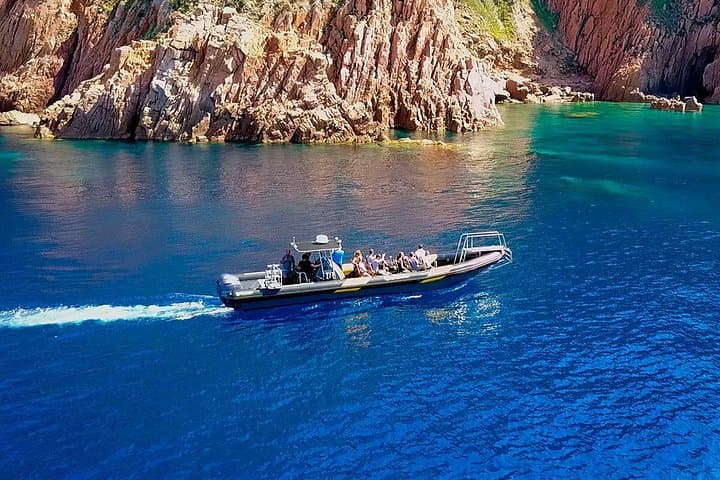
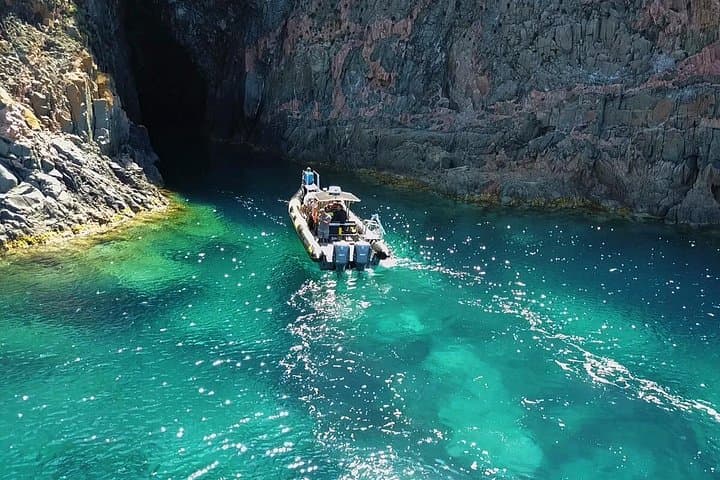
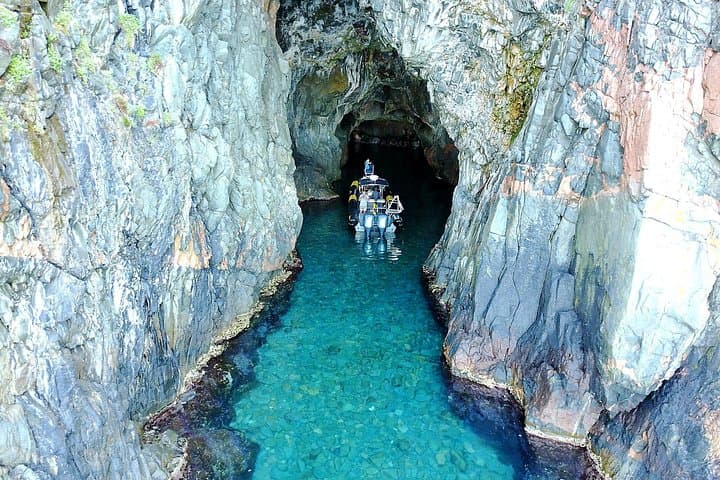
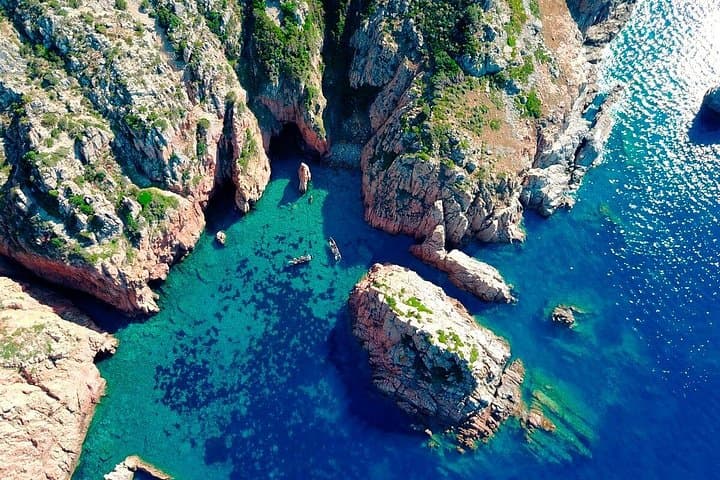
A low-slung semi-rigid cuts through cobalt water as the red cliffs of the Calanches de Piana first rear into view—sheer walls streaked with rust and ochre that glow when the sun leans west. The engine’s steady thrum is a counterpoint to salt and wind; gulls circle, and the boat slips into clefts that larger vessels can’t enter, revealing sea caves and sculpted pinnacles up close.
A low-slung semi-rigid cuts through cobalt water as the red cliffs of the Calanches de Piana first rear into view—sheer walls streaked with rust and ochre that glow when the sun leans west. The engine’s steady thrum is a counterpoint to salt and wind; gulls circle, and the boat slips into clefts that larger vessels can’t enter, revealing sea caves and sculpted pinnacles up close.
This stretch of Corsica’s west coast is part of the UNESCO-listed Gulf of Porto—Calanches of Piana, Gulf of Girolata and Scandola Reserve—recognized for dramatic volcanic geology and coastal biodiversity. The red porphyry here was carved by marine erosion and tectonic uplift, producing towers, arches and narrow inlets. Local fishing hamlets like Girolata speak to a maritime culture that long balanced subsistence with fierce protection of the shore.
Expect a three-hour round trip from Porto that moves between exposed seascape and sheltered bays. Guides point out geological features, search for dolphins riding the bow wave, and explain the reserve’s strict no-anchoring and no-fishing rules. The Scandola Reserve itself is a basalt and volcanic formation with restricted land access—boats are the best way to experience its bird colonies and tidal pools.
Practical notes: bring windproof layers and non-slip shoes, secure cameras and motion-sickness remedies if you’re prone. Tours run year-round but conditions vary—mornings are calmer for wildlife and late-afternoon light is best for photography. In short: a compact, easily accessible marine adventure that pairs up-close geology with meaningful nature viewing—no hiking required, but attention to safety and reserve rules is essential.