THE ADVENTURE COLLECTIVE® · Independent discovery and booking for outdoor travel

Explore a coastal limestone cave at Cala Romàntica with an optional 25m abseil, a short tunnel circuit and a 220m swim back to shore. This half-day trip mixes hiking, speleology and open-water swimming with local coastal scenery.
Explore a coastal limestone cave at Cala Romàntica with an optional 25m abseil, a short tunnel circuit and a 220m swim back to shore. This half-day trip mixes hiking, speleology and open-water swimming with local coastal scenery.
The morning light catches the sea at Cala Romàntica and the rock face seems to breathe—waves testing cracks, cliffs daring you to look closer.
Verified experiences and guided adventures in the surrounding area.
Operated by Mon d'Aventura · Porto Cristo, Balearic Islands
The morning light catches the sea at Cala Romàntica and the rock face seems to breathe—waves testing cracks, cliffs daring you to look closer.
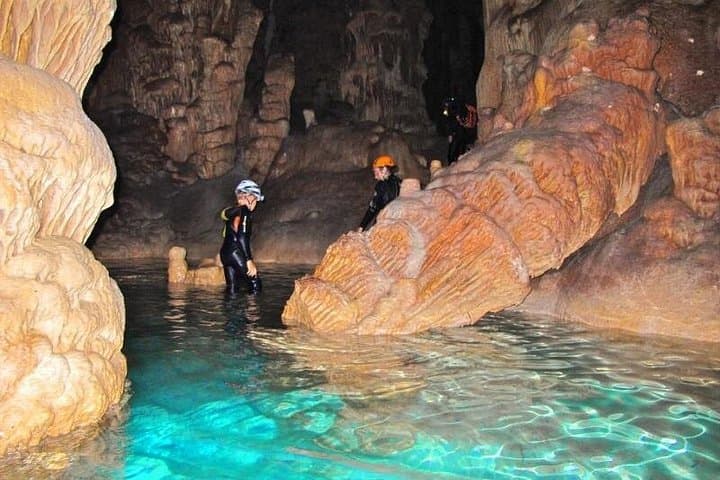
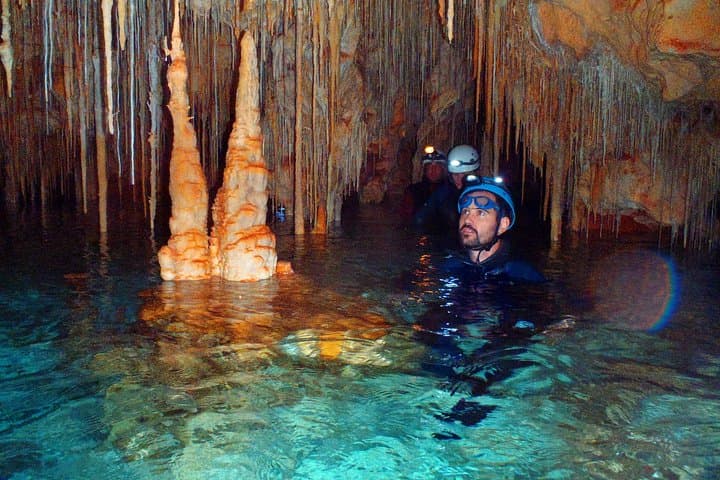
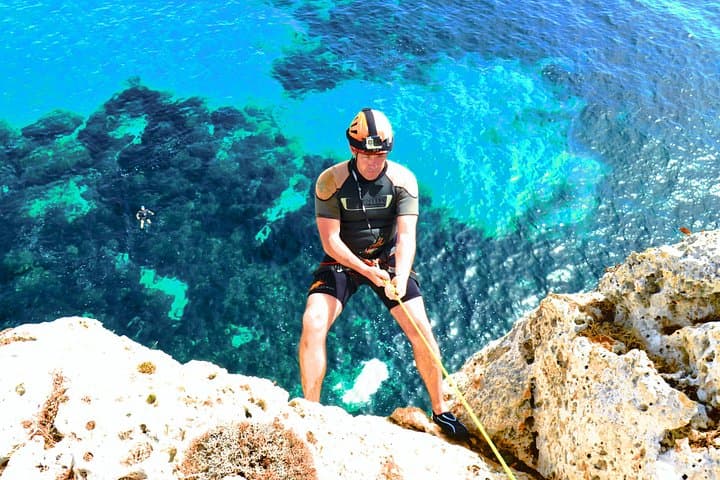
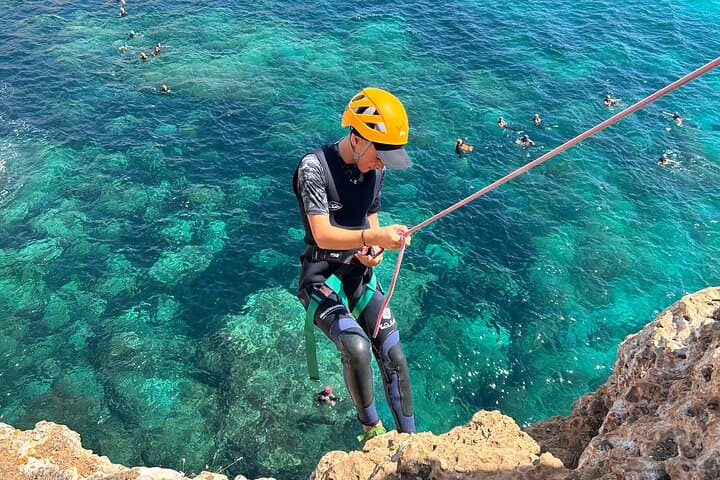
Starting from a small parking cove near the beach, the route drops to sea level and threads into a coastal karst cave where the salt-slick walls close in and the sounds of the Mediterranean become the map. You’ll put on helmets, sometimes slide down a short abseil (25 meters if you opt in) and follow a mostly dry tunnel that makes a circular circuit before you swim roughly 220 meters back out to a sandy inlet and hike to the meeting point.
Geologically, Mallorca’s east coast is limestone shaped by marine erosion and uplift; these are true sea caves carved by millennia of waves and chemical weathering. Culturally the coves were small working beaches for local fishermen and today remain quieter than the island’s big resorts—expect local boat traffic and the occasional fishing cove or cliff-side finca glimpsed from the water.
Practically: guides supply helmets and ropes; bring a wetsuit in cool months, secure water shoes, and pack a small dry bag for essentials. Be prepared to swim unassisted for short stretches and to handle uneven, wet rock underfoot.
Timing matters—calmer mornings make the cave easier and safer. This five-hour outing balances hiking, light technical exposure, and open-water swimming, delivering an intimate look at Mallorca’s coastal geology with a tactile sense of adventure.
challenging.
5 hours.
Moderate to good fitness; comfortable walking on uneven terrain and able to swim short distances in open water.
No—abseiling is optional. Guides will rig and teach techniques; you can opt out and follow an alternative route in most cases.
Participants should be able to swim about 220 meters in open water and be comfortable with short, guided swims between cave exits and beaches.
Guiding, helmet and basic safety equipment are included; check the operator for wetsuit or harness availability and any additional rental fees.
Not recommended for those with serious heart or back issues, or pregnant travelers; moderate fitness is required—check specific age/weight limits with the provider.
The rocky east coast of Mallorca is formed from uplifted marine limestone and these coves historically sheltered small fishing communities rather than large ports.
Stay on designated routes, avoid touching fragile stalactites or algae, and carry out all trash—sea caves are sensitive to litter and human impact.
Mon d'Aventura operates guided outdoor trips and adventures with an emphasis on safety, stewardship, and memorable experiences.
The morning light catches the sea at Cala Romàntica and the rock face seems to breathe—waves testing cracks, cliffs daring you to look closer.
The morning light catches the sea at Cala Romàntica and the rock face seems to breathe—waves testing cracks, cliffs daring you to look closer.
Starting from a small parking cove near the beach, the route drops to sea level and threads into a coastal karst cave where the salt-slick walls close in and the sounds of the Mediterranean become the map. You’ll put on helmets, sometimes slide down a short abseil (25 meters if you opt in) and follow a mostly dry tunnel that makes a circular circuit before you swim roughly 220 meters back out to a sandy inlet and hike to the meeting point.
Geologically, Mallorca’s east coast is limestone shaped by marine erosion and uplift; these are true sea caves carved by millennia of waves and chemical weathering. Culturally the coves were small working beaches for local fishermen and today remain quieter than the island’s big resorts—expect local boat traffic and the occasional fishing cove or cliff-side finca glimpsed from the water.
Practically: guides supply helmets and ropes; bring a wetsuit in cool months, secure water shoes, and pack a small dry bag for essentials. Be prepared to swim unassisted for short stretches and to handle uneven, wet rock underfoot.
Timing matters—calmer mornings make the cave easier and safer. This five-hour outing balances hiking, light technical exposure, and open-water swimming, delivering an intimate look at Mallorca’s coastal geology with a tactile sense of adventure.