THE ADVENTURE COLLECTIVE® · Independent discovery and booking for outdoor travel

Board an air-conditioned catamaran from Roses and watch the seabed come alive through underwater viewing rooms as you cruise the wild coves of Cap de Creus. This 90-minute trip is an easy, scenic introduction to Mediterranean marine life and the dramatic geology of the Costa Brava.
Board an air-conditioned catamaran from Roses and watch the seabed come alive through underwater viewing rooms as you cruise the wild coves of Cap de Creus. This 90-minute trip is an easy, scenic introduction to Mediterranean marine life and the dramatic geology of the Costa Brava.
You step aboard a low-slung catamaran at the Roses promenade and the harbor breathes salt and wind into the morning. The boat slips past low cliffs and pine-tipped coves; the Mediterranean seems to lean forward, offering a clear window into its world. Inside the Aquarium II’s air-conditioned viewing room, the seabed unrolls like a living map—Posidonia meadows sway, bony fish dart, and sunlight fractures into columns that move with the swell.
Verified experiences and guided adventures in the surrounding area.
Operated by Els Blaus de Roses · Roses, Girona
You step aboard a low-slung catamaran at the Roses promenade and the harbor breathes salt and wind into the morning. The boat slips past low cliffs and pine-tipped coves; the Mediterranean seems to lean forward, offering a clear window into its world. Inside the Aquarium II’s air-conditioned viewing room, the seabed unrolls like a living map—Posidonia meadows sway, bony fish dart, and sunlight fractures into columns that move with the swell.
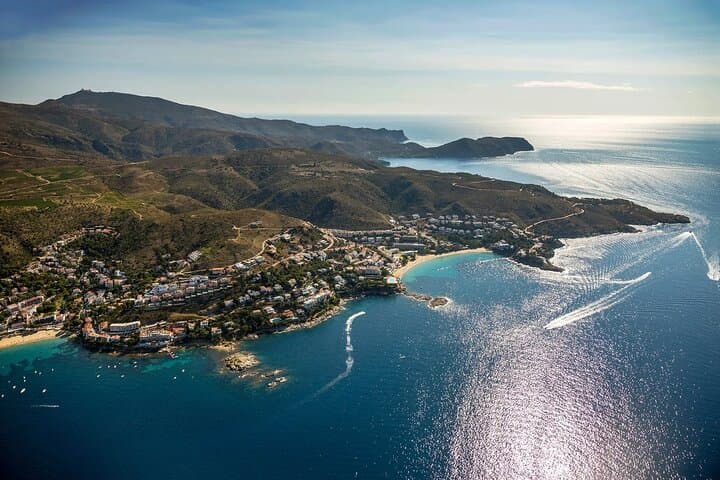
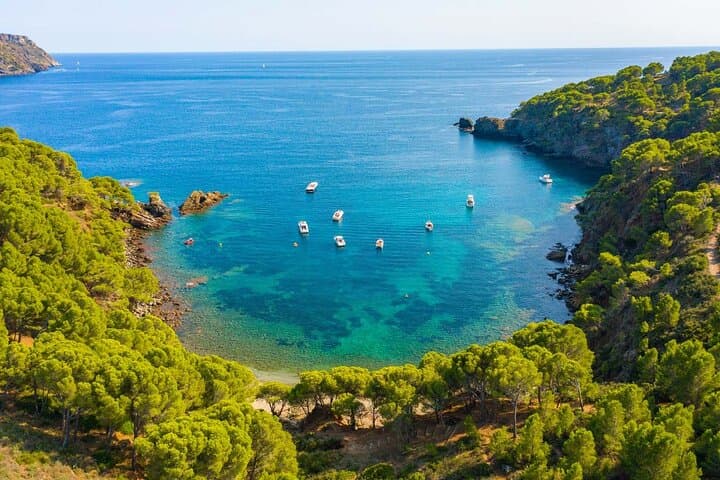
Cap de Creus is a place shaped by wind and stone. Ancient metamorphic rocks—schist and gneiss—tilt and fracture here, giving the coastline its serrated profile. Human history is brief against that geology: fishing hamlets, Roman waypoints and 16th-century watchtowers dot the headland, and local culture still orients around the sea. Cala Murtra itself is one of the park’s wildest coves, ringed by cliffs and pines; its clear blue becomes a living classroom for marine life. It’s also the only authorized nudist cove in the immediate area, reflecting a relaxed local culture.
Practical details: the trip runs about 90 minutes with departures from Roses and Santa Margarita. Expect short narrated passages, a stop to view the cove from the catamaran, and a calm underwater viewing session—no diving skills required. Bring sun protection, motion-sickness prevention if you’re prone, and a camera with image stabilization. Morning light equals clearer water; late afternoon brings warmer tones but more boat traffic. The outing is accessible to most fitness levels and makes a compact introduction to the Cap de Creus marine environment.
easy.
1.5 hours.
Suitable for most people with basic mobility; no swimming or diving required
No—this experience uses an onboard underwater viewing room; passengers do not need to enter the water.
Most catamarans on this route have a small restroom; check departure notes if you require full accessibility features.
Standard 90-minute tours typically do not allow long shore landings—the trip is mainly a viewing and cruise experience; confirm with the operator for special itineraries.
Yes, Cap de Creus is a natural park with limits on anchoring and activities to protect Posidonia meadows and marine life—follow crew guidance.
The Cap de Creus coastline records human use from Roman fishermen to medieval watchtowers; fishing villages like nearby Roses still reflect a maritime culture.
Posidonia oceanica meadows here are protected for their carbon storage and as nursery habitat—avoid anchoring on meadows and follow park rules to minimize impact.
Els Blaus de Roses operates guided outdoor trips and adventures with an emphasis on safety, stewardship, and memorable experiences.
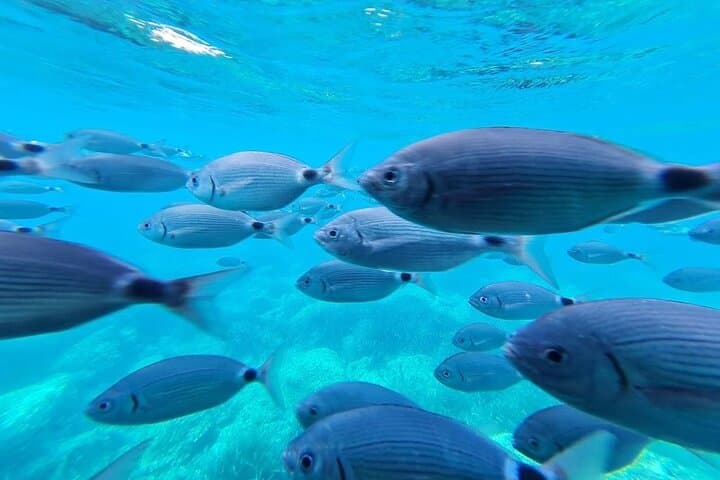
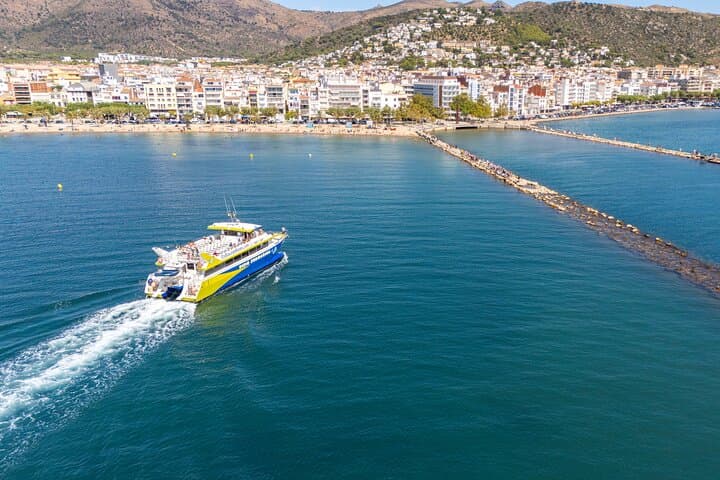
You step aboard a low-slung catamaran at the Roses promenade and the harbor breathes salt and wind into the morning. The boat slips past low cliffs and pine-tipped coves; the Mediterranean seems to lean forward, offering a clear window into its world. Inside the Aquarium II’s air-conditioned viewing room, the seabed unrolls like a living map—Posidonia meadows sway, bony fish dart, and sunlight fractures into columns that move with the swell.
You step aboard a low-slung catamaran at the Roses promenade and the harbor breathes salt and wind into the morning. The boat slips past low cliffs and pine-tipped coves; the Mediterranean seems to lean forward, offering a clear window into its world. Inside the Aquarium II’s air-conditioned viewing room, the seabed unrolls like a living map—Posidonia meadows sway, bony fish dart, and sunlight fractures into columns that move with the swell.
Cap de Creus is a place shaped by wind and stone. Ancient metamorphic rocks—schist and gneiss—tilt and fracture here, giving the coastline its serrated profile. Human history is brief against that geology: fishing hamlets, Roman waypoints and 16th-century watchtowers dot the headland, and local culture still orients around the sea. Cala Murtra itself is one of the park’s wildest coves, ringed by cliffs and pines; its clear blue becomes a living classroom for marine life. It’s also the only authorized nudist cove in the immediate area, reflecting a relaxed local culture.
Practical details: the trip runs about 90 minutes with departures from Roses and Santa Margarita. Expect short narrated passages, a stop to view the cove from the catamaran, and a calm underwater viewing session—no diving skills required. Bring sun protection, motion-sickness prevention if you’re prone, and a camera with image stabilization. Morning light equals clearer water; late afternoon brings warmer tones but more boat traffic. The outing is accessible to most fitness levels and makes a compact introduction to the Cap de Creus marine environment.