THE ADVENTURE COLLECTIVE® · Independent discovery and booking for outdoor travel

A bright turquoise cove framed by limestone cliffs, Cala Moraig is a coastal short-hike and snorkel destination reachable from Valencia. Expect pebbled shores, clear water, and short exposed trails with rewarding headland views.
A bright turquoise cove framed by limestone cliffs, Cala Moraig is a coastal short-hike and snorkel destination reachable from Valencia. Expect pebbled shores, clear water, and short exposed trails with rewarding headland views.
You step out of the minibus and the Mediterranean hits first as color: a bright, clear turquoise pooling beneath white limestone walls. The cove of Cala Moraig presses inward like a natural amphitheater, pebbled beach underfoot and a narrow stairway carved into rock that leads down from the parking area; the sea seems to dare you to wade in.
Verified experiences and guided adventures in the surrounding area.
Operated by Wexcursion · El Poble Nou de Benitatxell (Benitachell), Alicante
You step out of the minibus and the Mediterranean hits first as color: a bright, clear turquoise pooling beneath white limestone walls. The cove of Cala Moraig presses inward like a natural amphitheater, pebbled beach underfoot and a narrow stairway carved into rock that leads down from the parking area; the sea seems to dare you to wade in.
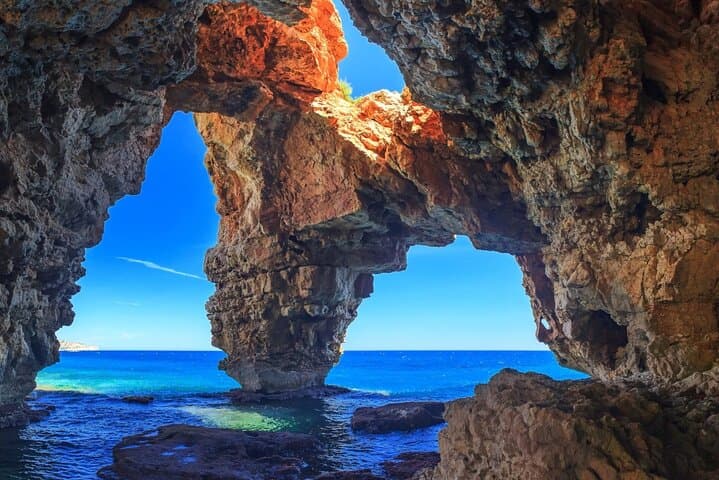
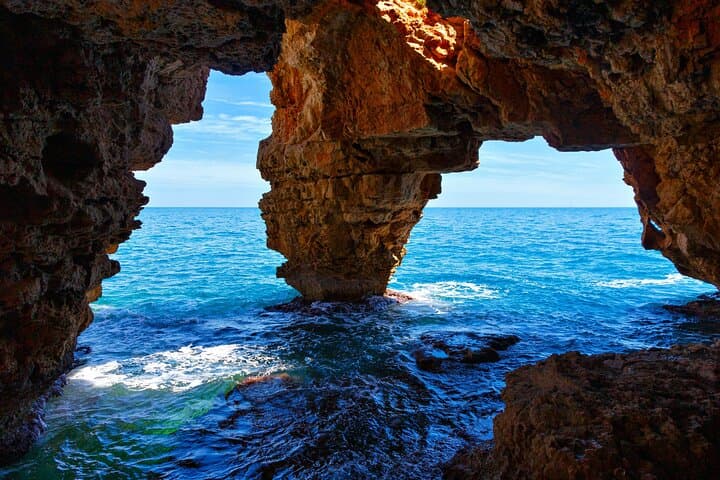
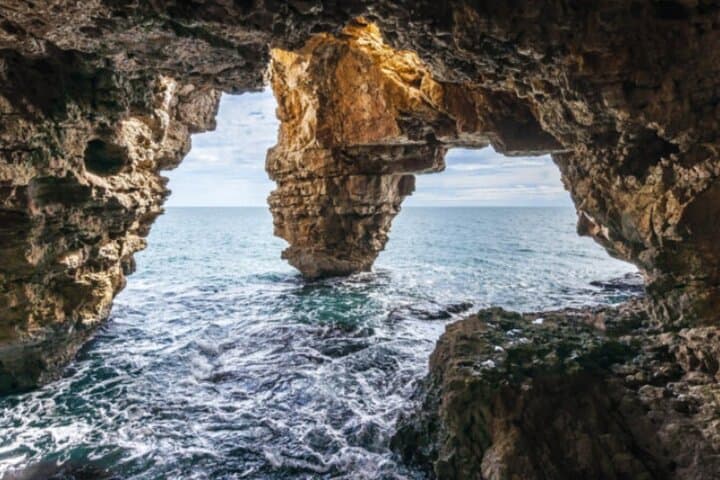
Geology here is direct and readable — layered limestone cliffs carved by wave action and rare karst caves such as the Cova dels Arcs. For centuries small fishing hamlets dotted the nearby coast; today the local culture mixes working boats with weekend visitors from Valencia and Alicante, and the rhythm of the area still follows tide and wind.
On the ground, the experience is straightforward: swimming and snorkeling in very clear water, sun on smooth pebbles, and short coastal trails that stitch viewpoints together. Trails are rocky and exposed in parts, with modest elevation changes (expect roughly 2–3 km of walking and 80–150 m of cumulative gain if you explore the headlands). The cove is also a good spot for spotting seabirds and, occasionally, dolphins offshore.
Practical guidance: bring water shoes for pebbles, reef-safe sunscreen, and a snorkel set if you want to explore underwater. Mornings are cooler and quieter; summer afternoons can be hot and crowded. Transport and entry fees are often included on organized day trips from Valencia, but still plan for uneven steps, sun exposure, and limited shade. Respect fragile coastal plants and pack out any trash — the clarity of this cove depends on it.
easy.
10–11 hours (full-day excursion from Valencia).
Suitable for most fitness levels; you should be comfortable with short walks on uneven rocky paths and descending stairs to the cove.
Organized tours provide private transportation in about 1.5–2 hours each way; if driving, follow AP-7/ N-332 toward Moraira/Jávea and look for signs to El Poble Nou de Benitatxell and Cala Moraig.
Cala Moraig is a pebbled beach; expect smooth stones rather than sand and bring suitable footwear.
Yes — the water is clear and shallow close to shore, but check wind and swell conditions and avoid snorkeling alone or when waves are high.
Facilities are minimal: there may be seasonal kiosks nearby but plan on minimal services and carry water, snacks, and waste bags.
The cliffs are primarily Miocene limestone sculpted by the Mediterranean; the coast supported small fishing communities that still influence local place names and cuisine.
This stretch of the Costa Blanca is ecologically sensitive — stick to marked paths, avoid trampling dune vegetation, use reef‑safe sunscreen and pack out all trash to protect water clarity and marine life.
Wexcursion operates guided outdoor trips and adventures with an emphasis on safety, stewardship, and memorable experiences.
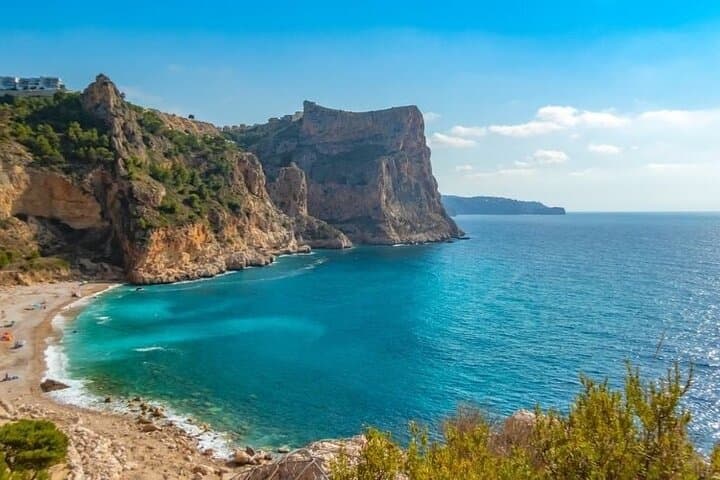
You step out of the minibus and the Mediterranean hits first as color: a bright, clear turquoise pooling beneath white limestone walls. The cove of Cala Moraig presses inward like a natural amphitheater, pebbled beach underfoot and a narrow stairway carved into rock that leads down from the parking area; the sea seems to dare you to wade in.
You step out of the minibus and the Mediterranean hits first as color: a bright, clear turquoise pooling beneath white limestone walls. The cove of Cala Moraig presses inward like a natural amphitheater, pebbled beach underfoot and a narrow stairway carved into rock that leads down from the parking area; the sea seems to dare you to wade in.
Geology here is direct and readable — layered limestone cliffs carved by wave action and rare karst caves such as the Cova dels Arcs. For centuries small fishing hamlets dotted the nearby coast; today the local culture mixes working boats with weekend visitors from Valencia and Alicante, and the rhythm of the area still follows tide and wind.
On the ground, the experience is straightforward: swimming and snorkeling in very clear water, sun on smooth pebbles, and short coastal trails that stitch viewpoints together. Trails are rocky and exposed in parts, with modest elevation changes (expect roughly 2–3 km of walking and 80–150 m of cumulative gain if you explore the headlands). The cove is also a good spot for spotting seabirds and, occasionally, dolphins offshore.
Practical guidance: bring water shoes for pebbles, reef-safe sunscreen, and a snorkel set if you want to explore underwater. Mornings are cooler and quieter; summer afternoons can be hot and crowded. Transport and entry fees are often included on organized day trips from Valencia, but still plan for uneven steps, sun exposure, and limited shade. Respect fragile coastal plants and pack out any trash — the clarity of this cove depends on it.