THE ADVENTURE COLLECTIVE® · Independent discovery and booking for outdoor travel

A day trip from Valencia to Cala del Moraig combines a dramatic sea-arched cave, crystalline swimming waters and an optional 3 km coastal hike to the secluded Cala Llebeig. Expect rocky trails, towering limestone cliffs and uncrowded coves.
A day trip from Valencia to Cala del Moraig combines a dramatic sea-arched cave, crystalline swimming waters and an optional 3 km coastal hike to the secluded Cala Llebeig. Expect rocky trails, towering limestone cliffs and uncrowded coves.
The bus eases off the highway and the air sharpens—salty, sun-warmed and carrying the terse cry of gulls. Travelers spill onto a small parking area above Cala del Moraig and descend a stony path to a narrow pebble beach ringed by limestone cliffs. The Cova dels Arcs cuts like a doorway into the Mediterranean; tide and light trade places, and the sea pushes through the arches with a steady, insistent breath.
Verified experiences and guided adventures in the surrounding area.
Operated by Hola Trip · El Poble Nou de Benitatxell (Benitachell), Alicante
The bus eases off the highway and the air sharpens—salty, sun-warmed and carrying the terse cry of gulls. Travelers spill onto a small parking area above Cala del Moraig and descend a stony path to a narrow pebble beach ringed by limestone cliffs. The Cova dels Arcs cuts like a doorway into the Mediterranean; tide and light trade places, and the sea pushes through the arches with a steady, insistent breath.
Geology here reads like a slow-motion drama: Miocene limestones carved by waves and wind into sheer cliffs over 200 meters high, sea caves and natural arches that photographers prize. Culturally, this stretch of the Costa Blanca was shaped by small fishing communities and a network of watchtowers; the cliff paths once linked coves used for landing boats and drying nets.
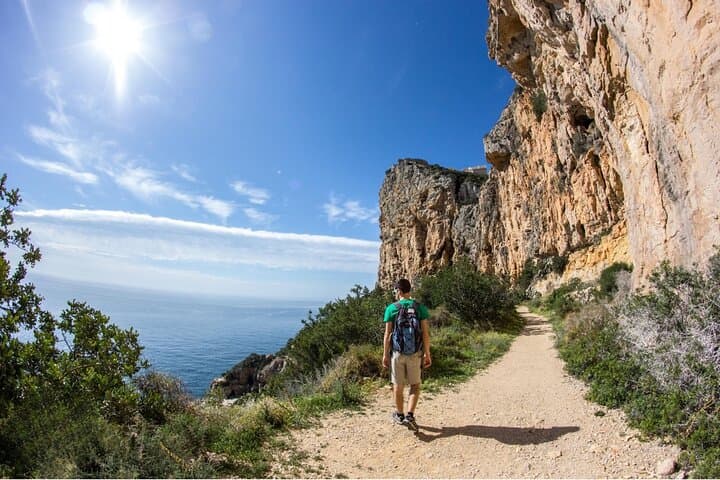
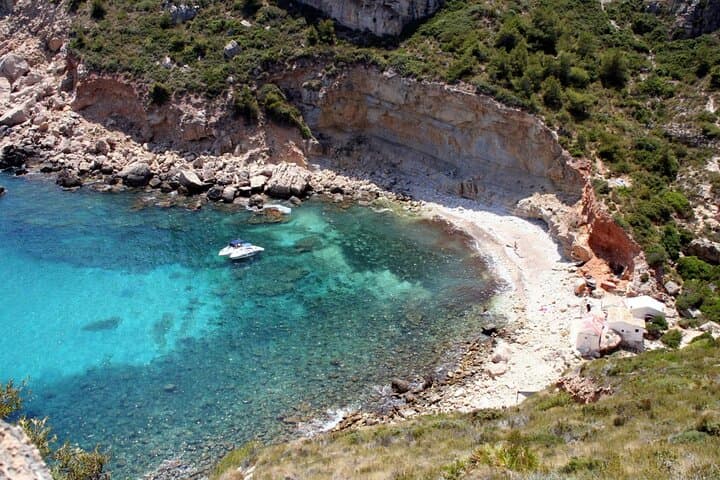
An optional 3 km coastal hike climbs and drops along exposed limestone, offering views into hidden coves—Cala Llebeig is a quiet remnant of that old fishing life. Expect rocky, uneven terrain, low scrub (garrigue) and sections with narrow ledges where footing matters; the trail rewards effort with uncrowded bays and clear water for swimming.
Practical guidance: bring sturdy shoes with grip, sun protection and a refillable water bottle; tide windows affect swim and cave access so check local conditions. Aim for morning or late afternoon to avoid peak heat and busier beaches. The trip is ideal for travelers comfortable with moderate hikes and rocky descents; those with cardiovascular concerns should consult a doctor. Leave no trace: pack out waste and stick to established paths to protect fragile coastal vegetation.
moderate.
9–10 hours.
Requires moderate fitness: able to handle a 3 km rocky coastal hike with short steep sections and unpaved descents.
The coastal route is about 3 km each way with rocky, uneven ground and short climbs; plan 1–1.5 hours each way depending on pace.
Yes—waters are clear and suitable for swimming when sea conditions are calm; avoid the cave and arch openings if waves are high.
The beach descent and coastal trail include uneven steps and ledges, so it’s best for children used to hiking and not recommended for those with significant mobility limits.
Yes—this organized day trip typically includes an English-speaking guide and air-conditioned transportation from Valencia as described in the booking details.
The coves were historically used by small fishing communities and linked by cliff-top paths; nearby watchtowers once signaled against pirate raids.
High visitor pressure and fragile garrigue vegetation mean staying on marked paths and packing out all waste is important to protect the coastline.
Hola Trip operates guided outdoor trips and adventures with an emphasis on safety, stewardship, and memorable experiences.
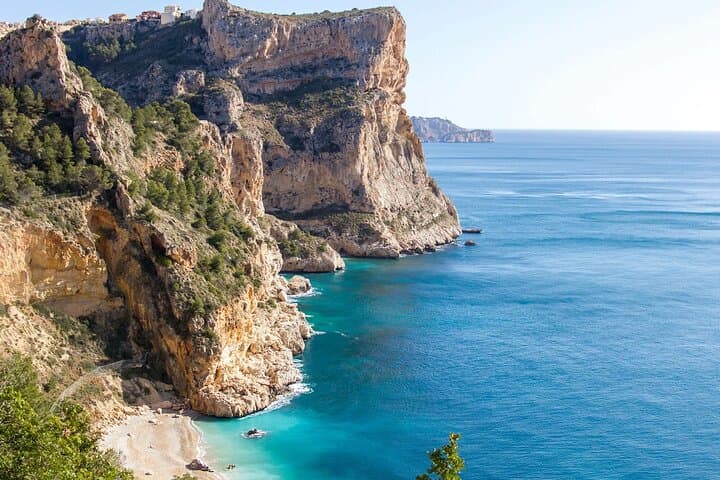
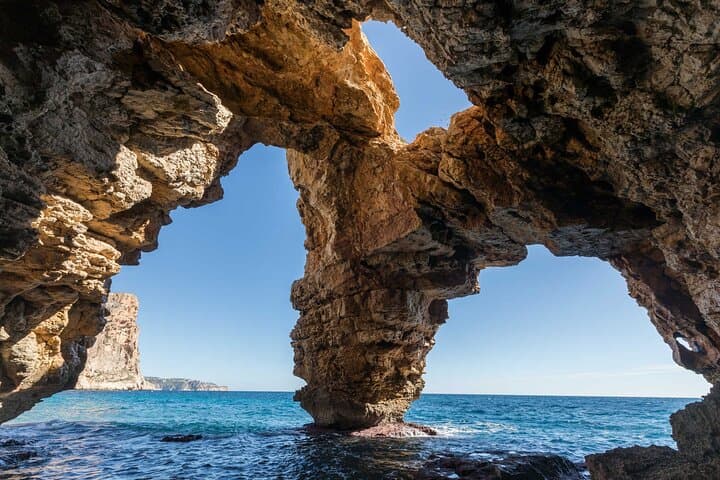
The bus eases off the highway and the air sharpens—salty, sun-warmed and carrying the terse cry of gulls. Travelers spill onto a small parking area above Cala del Moraig and descend a stony path to a narrow pebble beach ringed by limestone cliffs. The Cova dels Arcs cuts like a doorway into the Mediterranean; tide and light trade places, and the sea pushes through the arches with a steady, insistent breath.
The bus eases off the highway and the air sharpens—salty, sun-warmed and carrying the terse cry of gulls. Travelers spill onto a small parking area above Cala del Moraig and descend a stony path to a narrow pebble beach ringed by limestone cliffs. The Cova dels Arcs cuts like a doorway into the Mediterranean; tide and light trade places, and the sea pushes through the arches with a steady, insistent breath.
Geology here reads like a slow-motion drama: Miocene limestones carved by waves and wind into sheer cliffs over 200 meters high, sea caves and natural arches that photographers prize. Culturally, this stretch of the Costa Blanca was shaped by small fishing communities and a network of watchtowers; the cliff paths once linked coves used for landing boats and drying nets.
An optional 3 km coastal hike climbs and drops along exposed limestone, offering views into hidden coves—Cala Llebeig is a quiet remnant of that old fishing life. Expect rocky, uneven terrain, low scrub (garrigue) and sections with narrow ledges where footing matters; the trail rewards effort with uncrowded bays and clear water for swimming.
Practical guidance: bring sturdy shoes with grip, sun protection and a refillable water bottle; tide windows affect swim and cave access so check local conditions. Aim for morning or late afternoon to avoid peak heat and busier beaches. The trip is ideal for travelers comfortable with moderate hikes and rocky descents; those with cardiovascular concerns should consult a doctor. Leave no trace: pack out waste and stick to established paths to protect fragile coastal vegetation.