THE ADVENTURE COLLECTIVE® · Independent discovery and booking for outdoor travel

Head to Thurso for a guided puffin tour along Caithness’s rugged north coast. Expect guaranteed puffin sightings, expert ecological interpretation, and a mix of easy and more demanding coastal walks.
Head to Thurso for a guided puffin tour along Caithness’s rugged north coast. Expect guaranteed puffin sightings, expert ecological interpretation, and a mix of easy and more demanding coastal walks.
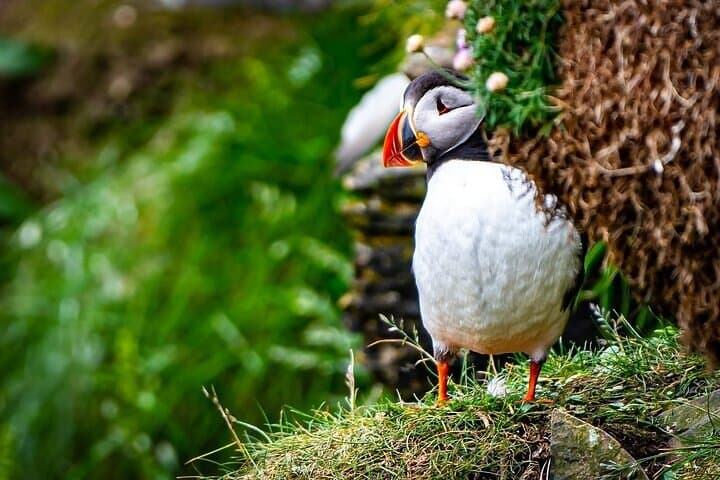
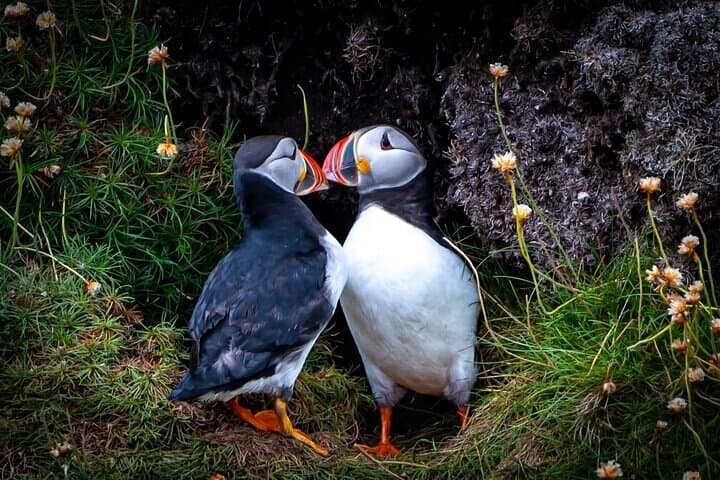
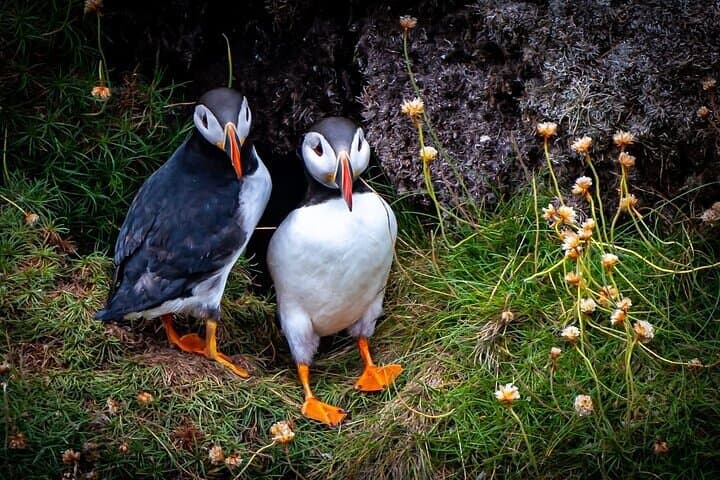
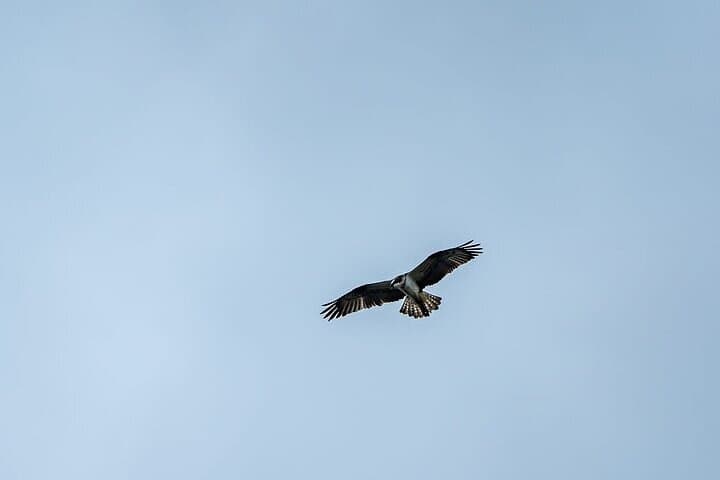
The wind off the Pentland Firth sharpens the air as you step out at Thurso Harbour, binoculars pressed to your face and cliffs rising dark and abrupt ahead. Guides lead you toward the headlands where gannets wheel and puffins shuttle like small black-and-white arrows, dropping to the sea and lifting with sand-laden beaks to ferry food to noisy burrows.
Verified experiences and guided adventures in the surrounding area.
Operated by Seawolf Wildlife Tours · Thurso, Highland
The wind off the Pentland Firth sharpens the air as you step out at Thurso Harbour, binoculars pressed to your face and cliffs rising dark and abrupt ahead. Guides lead you toward the headlands where gannets wheel and puffins shuttle like small black-and-white arrows, dropping to the sea and lifting with sand-laden beaks to ferry food to noisy burrows.
Caithness’s coast is carved from Old Red Sandstone and Orkney flags, a geology that creates sheer stacks and grassy ledges ideal for seabirds. Human history here is long—Norse and Pictish names dot the shoreline—and fishing communities shaped the rhythms that puffins now follow each spring to breed. Local ecologists work with landowners and RSPB volunteers to protect nesting sites and manage visitor access.
Expect a mix of easy shore paths and steeper viewpoints; the tour adapts to families or fitter hikers and departs from Thurso Harbour Car Park (look for the Orca mural). Guides supply high-powered binoculars and ID guides, and will point out razorbills, guillemots, fulmars and grey seals; whales or dolphins are occasional extras.
Plan for quickly changing weather: waterproof layers and good walking boots are essential. Tours can be canceled in high winds or sea fog for safety. Aim for morning light for the best bird activity and quieter parking. Keep to marked paths, follow your guide’s distance rules around colonies, and bring a camera with a good zoom—puffins are photogenic at a distance but nesting areas must not be disturbed.
moderate.
3 hours.
Suitable for people comfortable with 1–3 miles of uneven coastal walking and short steep sections; families can join on easier routes.
The operator advertises guaranteed puffin sightings at their monitored roosts, but viewing can be affected by weather or sea conditions; guides will adapt locations to maximize sightings.
Guides enforce safe viewing distances from nesting areas to avoid disturbance; expect to use binoculars from clifftop viewpoints and designated hides.
Yes — there are easier routes tailored for families and young children, but good walking boots and supervision on cliff paths are required.
High winds or dangerous conditions can trigger cancellations; the booking policy allows refunds if canceled at least 24 hours in advance or by the operator for bad weather.
Caithness has Pictish and Norse heritage; coastal communities historically depended on fishing and seabird products, shaping local place names and trackways.
Stick to marked paths and follow guide rules — trampling and disturbance are the main threats to nesting seabirds; local groups work to balance access with protection.
Seawolf Wildlife Tours operates guided outdoor trips and adventures with an emphasis on safety, stewardship, and memorable experiences.
The wind off the Pentland Firth sharpens the air as you step out at Thurso Harbour, binoculars pressed to your face and cliffs rising dark and abrupt ahead. Guides lead you toward the headlands where gannets wheel and puffins shuttle like small black-and-white arrows, dropping to the sea and lifting with sand-laden beaks to ferry food to noisy burrows.
The wind off the Pentland Firth sharpens the air as you step out at Thurso Harbour, binoculars pressed to your face and cliffs rising dark and abrupt ahead. Guides lead you toward the headlands where gannets wheel and puffins shuttle like small black-and-white arrows, dropping to the sea and lifting with sand-laden beaks to ferry food to noisy burrows.
Caithness’s coast is carved from Old Red Sandstone and Orkney flags, a geology that creates sheer stacks and grassy ledges ideal for seabirds. Human history here is long—Norse and Pictish names dot the shoreline—and fishing communities shaped the rhythms that puffins now follow each spring to breed. Local ecologists work with landowners and RSPB volunteers to protect nesting sites and manage visitor access.
Expect a mix of easy shore paths and steeper viewpoints; the tour adapts to families or fitter hikers and departs from Thurso Harbour Car Park (look for the Orca mural). Guides supply high-powered binoculars and ID guides, and will point out razorbills, guillemots, fulmars and grey seals; whales or dolphins are occasional extras.
Plan for quickly changing weather: waterproof layers and good walking boots are essential. Tours can be canceled in high winds or sea fog for safety. Aim for morning light for the best bird activity and quieter parking. Keep to marked paths, follow your guide’s distance rules around colonies, and bring a camera with a good zoom—puffins are photogenic at a distance but nesting areas must not be disturbed.