THE ADVENTURE COLLECTIVE® · Independent discovery and booking for outdoor travel

Cover Cairo’s signature sites in two days: ascend the Giza plateau, explore Saqqara’s Step Pyramid, and walk the Egyptian Museum’s galleries before wandering Old Cairo. A compact cultural tour designed for travelers based in Hurghada.
Cover Cairo’s signature sites in two days: ascend the Giza plateau, explore Saqqara’s Step Pyramid, and walk the Egyptian Museum’s galleries before wandering Old Cairo. A compact cultural tour designed for travelers based in Hurghada.
You step off the morning flight into Cairo’s dry air and the city immediately sets a brisk pace — traffic hums, minarets edge the skyline, and the Pyramids loom like history come down to street level.
Verified experiences and guided adventures in the surrounding area.
Operated by Available travel Egypt · Cairo, Cairo Governorate
You step off the morning flight into Cairo’s dry air and the city immediately sets a brisk pace — traffic hums, minarets edge the skyline, and the Pyramids loom like history come down to street level.
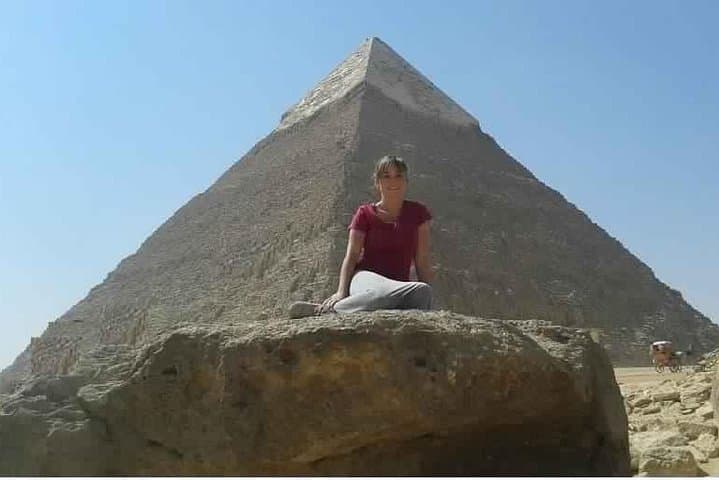
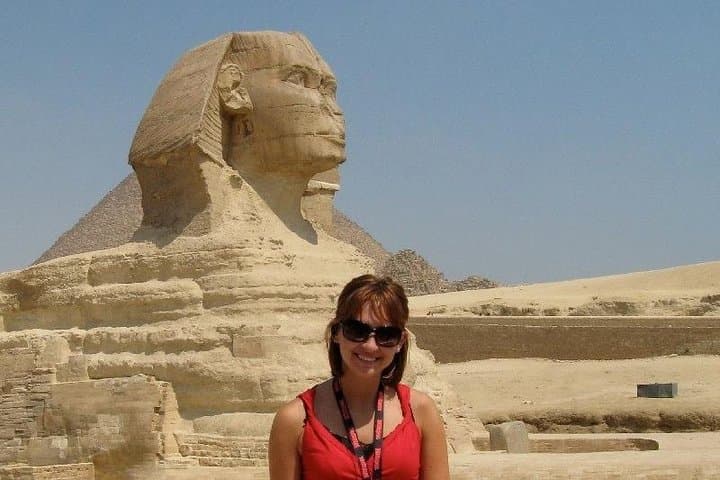
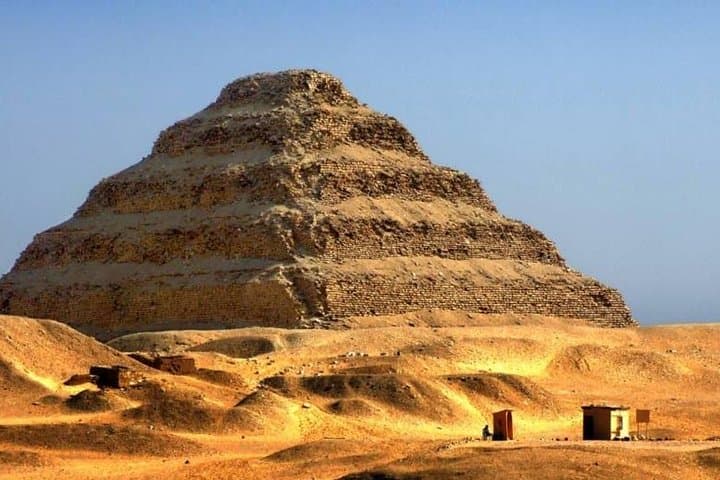
Day one throws you into the Giza plateau: the Great Pyramid of Khufu stands massive and mute while the Sphinx watches visitors like a guardian. Nearby, Saqqara’s Step Pyramid unfolds differently — layered stone that marks the shift from mastaba tombs to monumental architecture. The stones keep a cool, dusty record of dynasties; hieroglyphs and reliefs warn, praise, and catalogue lives.
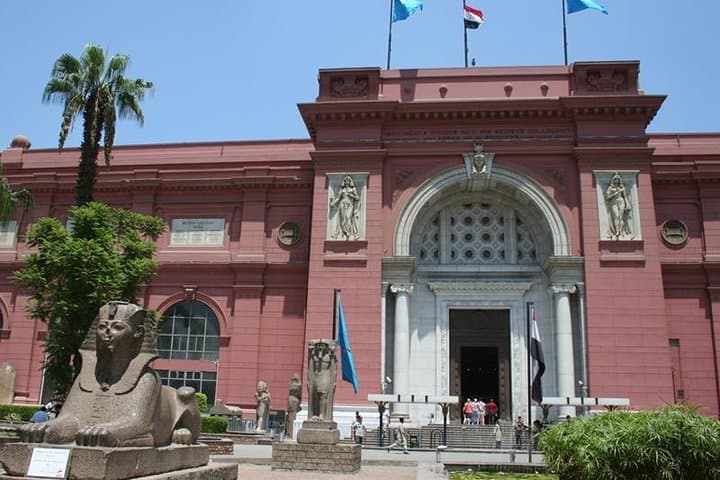
On day two the Egyptian Museum in Tahrir concentrates millennia in glass cases — gilded funerary masks and painted wood work that reframe what “treasure” means. The Citadel of Salah al-Din climbs above the city with Ottoman-era Muhammad Ali Mosque announcing itself on the skyline; Old Cairo’s tight lanes and Coptic churches show the city’s religious patchwork. Khan el-Khalili bazaar offers sensory contrast: spices, copperware, and the steady negotiation rhythm of Egyptian markets.
Practical edge: both days involve extended walking on uneven stone and in urban traffic; carry a water bottle, wear closed-toe shoes, and reserve time for domestic flights between Hurghada and Cairo. Expect museum queues, security checks, and reachable but busy viewpoints. This is a compact cultural sprint — rich on monuments, tight on time — ideal for travelers who want concentrated history with logistical support and local insight.
easy.
2 days.
Light to moderate fitness; able to walk several hours across uneven surfaces and climb stairs.
Entrance fees are typically included on this tour, but confirm in your booking details; some optional activities (like entering a pyramid) may be extra.
Flight time is about 1 hour each way; allow extra time for airport transfers and security.
Many sites have uneven ground and steps; the tour notes wheelchair accessibility but contact the operator to confirm specific site access and arrangements.
Lunches and one night’s B&B in a 5-star Cairo hotel are included per the itinerary; check for dietary needs when booking.
Cairo grew from a medieval military camp; the Citadel was expanded in the 12th century to defend against Crusader threats and later became a seat of power under successive rulers.
High visitor volumes strain fragile archaeological sites; follow marked paths, avoid touching reliefs, and favor licensed guides and local operators to support conservation fees and site maintenance.
Available travel Egypt operates guided outdoor trips and adventures with an emphasis on safety, stewardship, and memorable experiences.
You step off the morning flight into Cairo’s dry air and the city immediately sets a brisk pace — traffic hums, minarets edge the skyline, and the Pyramids loom like history come down to street level.
You step off the morning flight into Cairo’s dry air and the city immediately sets a brisk pace — traffic hums, minarets edge the skyline, and the Pyramids loom like history come down to street level.
Day one throws you into the Giza plateau: the Great Pyramid of Khufu stands massive and mute while the Sphinx watches visitors like a guardian. Nearby, Saqqara’s Step Pyramid unfolds differently — layered stone that marks the shift from mastaba tombs to monumental architecture. The stones keep a cool, dusty record of dynasties; hieroglyphs and reliefs warn, praise, and catalogue lives.
On day two the Egyptian Museum in Tahrir concentrates millennia in glass cases — gilded funerary masks and painted wood work that reframe what “treasure” means. The Citadel of Salah al-Din climbs above the city with Ottoman-era Muhammad Ali Mosque announcing itself on the skyline; Old Cairo’s tight lanes and Coptic churches show the city’s religious patchwork. Khan el-Khalili bazaar offers sensory contrast: spices, copperware, and the steady negotiation rhythm of Egyptian markets.
Practical edge: both days involve extended walking on uneven stone and in urban traffic; carry a water bottle, wear closed-toe shoes, and reserve time for domestic flights between Hurghada and Cairo. Expect museum queues, security checks, and reachable but busy viewpoints. This is a compact cultural sprint — rich on monuments, tight on time — ideal for travelers who want concentrated history with logistical support and local insight.