THE ADVENTURE COLLECTIVE® · Independent discovery and booking for outdoor travel

Ride the elevator up Cairo Tower for sweeping Nile views, a dinner with rotating vistas, and a clear sightline to the pyramids. This practical guide covers timing, accessibility, and what to expect at Egypt’s most commanding urban lookout.
Ride the elevator up Cairo Tower for sweeping Nile views, a dinner with rotating vistas, and a clear sightline to the pyramids. This practical guide covers timing, accessibility, and what to expect at Egypt’s most commanding urban lookout.
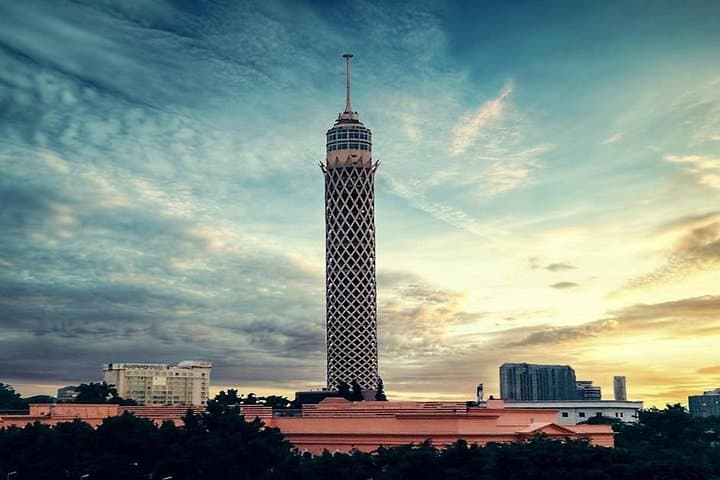
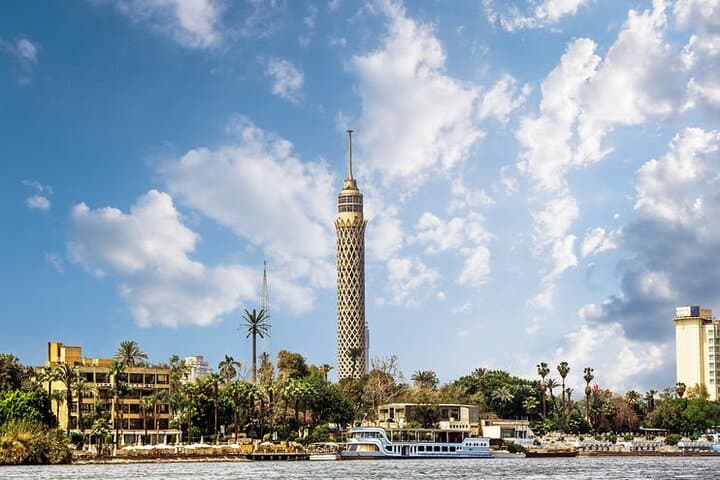
You step out of the van onto Gezira Island and the Cairo Tower rises like a sculpted reed above the Nile, its concrete ribs catching late light while the river dares you to look farther. Inside, an elevator whisks you up fifteen floors where the city unfolds: the ribbon of the Nile, the geometric block of Cairo’s radio building, and the distant serrated silhouettes of the Giza pyramids.
Verified experiences and guided adventures in the surrounding area.
Operated by Sheba Tour company · Cairo, Cairo Governorate
You step out of the van onto Gezira Island and the Cairo Tower rises like a sculpted reed above the Nile, its concrete ribs catching late light while the river dares you to look farther. Inside, an elevator whisks you up fifteen floors where the city unfolds: the ribbon of the Nile, the geometric block of Cairo’s radio building, and the distant serrated silhouettes of the Giza pyramids.
The tower was completed in 1961 by architect Naoum Shebib and remains Cairo’s most prominent vantage point, its lotus-inspired form reflecting mid-century modernism and national pride. The site sits on native Nile silt and landfill; its height and placement purposefully command views across different urban layers—residential, governmental, and historic. The tower’s restaurant offers dinner with rotating views, and binocular stations help you pick out neighborhoods and monuments.
Practicalities are straightforward: tours often include round-trip transfers and entry, and the site is stroller-accessible with elevators and infant seats available. Peak light is at sunset — book for 90 minutes before dusk to see day, sunset, and city lights. Bring a camera with a mid-telephoto lens or use the tower’s magnifiers for distant sights. Expect crowds during evenings and weekends; lines are shorter mid-morning on weekdays.
Carry ID for ticketing, keep to marked walkways, and allocate at least two hours if you plan to dine. The tower is a compact but full-bodied urban experience: accessible, panoramic, and quietly instructive about Cairo’s layered time and geography.
easy.
3–4 hours.
Suitable for all fitness levels; limited walking and elevators make it accessible to most travelers
Plan 2–4 hours including travel, elevator queues, time on the observation deck and a meal if you choose to dine.
Yes—there is a restaurant offering dinner with panoramic views; reservations are recommended for sunset seating.
The tower has elevators and is stroller-accessible; staff can assist, but accessibility may vary for specific areas of the restaurant or viewing platform.
Bookings commonly request passport details and you should carry ID; foreign visitors may be asked for passport information at booking or check-in.
Completed in 1961 and designed by Naoum Shebib, the tower commemorates modern Egyptian architecture and offers a post-monarchical urban perspective of Cairo.
Light pollution and waste from high visitor numbers are local concerns; use public transit or shared transfers and dispose of trash in provided bins to reduce impact.
Sheba Tour company operates guided outdoor trips and adventures with an emphasis on safety, stewardship, and memorable experiences.
You step out of the van onto Gezira Island and the Cairo Tower rises like a sculpted reed above the Nile, its concrete ribs catching late light while the river dares you to look farther. Inside, an elevator whisks you up fifteen floors where the city unfolds: the ribbon of the Nile, the geometric block of Cairo’s radio building, and the distant serrated silhouettes of the Giza pyramids.
You step out of the van onto Gezira Island and the Cairo Tower rises like a sculpted reed above the Nile, its concrete ribs catching late light while the river dares you to look farther. Inside, an elevator whisks you up fifteen floors where the city unfolds: the ribbon of the Nile, the geometric block of Cairo’s radio building, and the distant serrated silhouettes of the Giza pyramids.
The tower was completed in 1961 by architect Naoum Shebib and remains Cairo’s most prominent vantage point, its lotus-inspired form reflecting mid-century modernism and national pride. The site sits on native Nile silt and landfill; its height and placement purposefully command views across different urban layers—residential, governmental, and historic. The tower’s restaurant offers dinner with rotating views, and binocular stations help you pick out neighborhoods and monuments.
Practicalities are straightforward: tours often include round-trip transfers and entry, and the site is stroller-accessible with elevators and infant seats available. Peak light is at sunset — book for 90 minutes before dusk to see day, sunset, and city lights. Bring a camera with a mid-telephoto lens or use the tower’s magnifiers for distant sights. Expect crowds during evenings and weekends; lines are shorter mid-morning on weekdays.
Carry ID for ticketing, keep to marked walkways, and allocate at least two hours if you plan to dine. The tower is a compact but full-bodied urban experience: accessible, panoramic, and quietly instructive about Cairo’s layered time and geography.