THE ADVENTURE COLLECTIVE® · Independent discovery and booking for outdoor travel

Explore the Egyptian Museum on a focused half-day private tour: Tutankhamun’s treasures, royal mummies and rooms packed with five millennia of artifacts, all paired with a practical local guide. Morning visits avoid crowds and Cairo’s heat—bring ID, comfortable shoes and confirm photo rules.
Explore the Egyptian Museum on a focused half-day private tour: Tutankhamun’s treasures, royal mummies and rooms packed with five millennia of artifacts, all paired with a practical local guide. Morning visits avoid crowds and Cairo’s heat—bring ID, comfortable shoes and confirm photo rules.
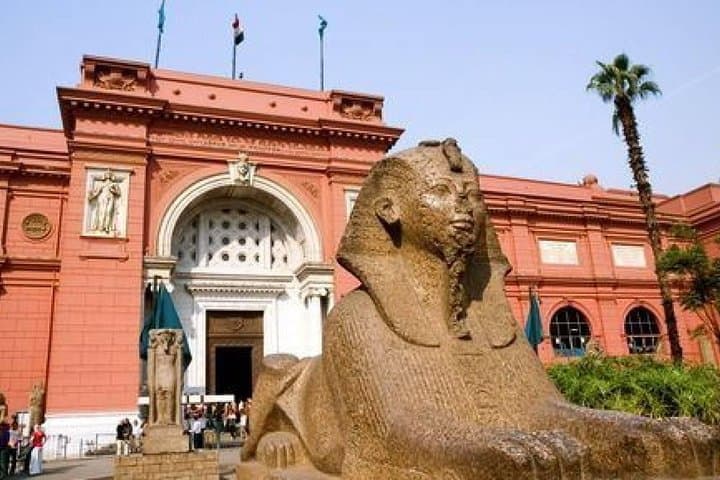
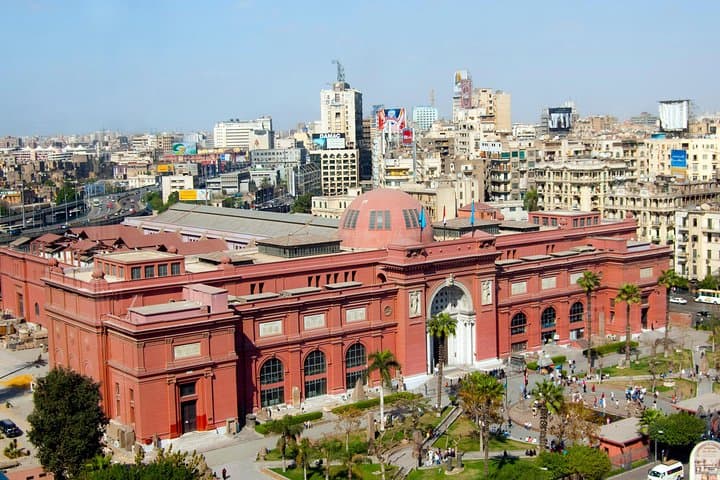
You step out of a shaded sedan into the bustle of Tahrir Square; the city’s heat is kept at bay by the museum’s high stone walls and cool corridors where centuries keep their own rhythm.
Verified experiences and guided adventures in the surrounding area.
Operated by Emo Tours Egypt · Cairo, Cairo Governorate
You step out of a shaded sedan into the bustle of Tahrir Square; the city’s heat is kept at bay by the museum’s high stone walls and cool corridors where centuries keep their own rhythm.
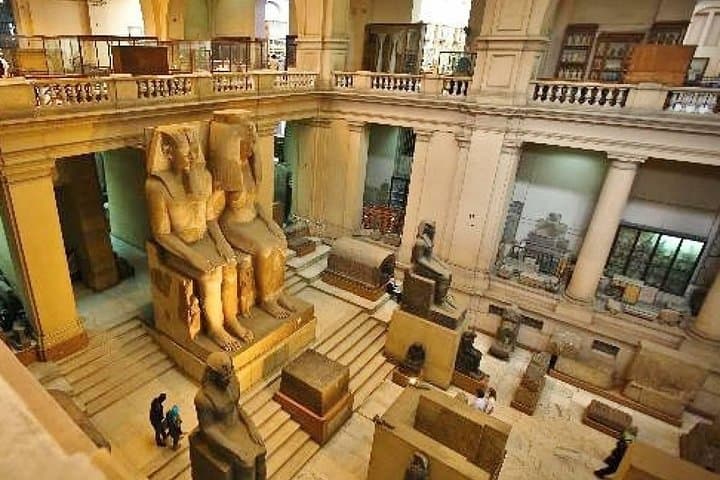
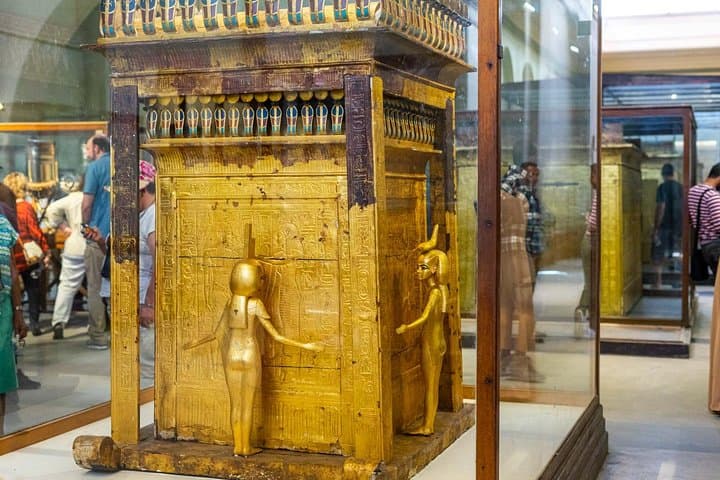
The Egyptian Museum — opened in 1902 and designed by French architect Marcel Dourgnon — houses an extraordinary concentration of Pharaonic material culture. Expect gallery rooms of funerary gold, carved stone stelae, painted coffins and the glitter of Tutankhamun’s treasure, plus cabinets of everyday objects that anchor grand history to daily life. The building itself is part of the story: early-20th-century museum design meant long, axial halls that move visitors from cramped tomb reconstructions to lofty, statue-filled chambers.
Beyond artifacts, the museum sits on a crossroads of modern Cairo: the Nile hums a few blocks away, Tahrir’s traffic pushes and recedes, and nearby streets lead to the historic bazaar districts. Guides frame objects with archaeological context — how excavation techniques evolved in the 19th and 20th centuries, how repatriation debates shape displays today.
Practical edge: this half-day private tour typically lasts four hours with hotel pickup, a licensed guide and bottled water. Arrive early to beat crowds and Cairo’s midday heat; security screening is strict so bring a passport copy. Photography policies vary by gallery (some rooms restrict flash or photos), and the Tutankhamun display can have separate access rules. Wear comfortable shoes, set aside time for the museum shop and plan onward travel — Khan el-Khalili and Nile felucca rides are easy after the visit.
easy.
4 hours.
Suitable for all fitness levels; involves standing and walking through multiple galleries.
The private half-day tour runs about four hours including hotel pickup, guided museum time and return transfer.
The tour listing includes entry fees and a private guide, but confirm at booking as policies and ticketing can change.
Photography is permitted in many galleries but may be restricted in special exhibits or for conservation reasons; flash is commonly prohibited—ask your guide on arrival.
Major circulation areas and many galleries are accessible, but parts of the historic building have stairs; notify the operator in advance to arrange assistance.
The Egyptian Museum opened in 1902 and was designed by Marcel Dourgnon; it became the primary repository for the country’s pharaonic antiquities during the height of Egyptology in the early 20th century.
The museum maintains conservation labs and ongoing restoration projects; visitors are asked not to touch artifacts and to follow signage to minimize wear and humidity exposure.
Emo Tours Egypt operates guided outdoor trips and adventures with an emphasis on safety, stewardship, and memorable experiences.
You step out of a shaded sedan into the bustle of Tahrir Square; the city’s heat is kept at bay by the museum’s high stone walls and cool corridors where centuries keep their own rhythm.
You step out of a shaded sedan into the bustle of Tahrir Square; the city’s heat is kept at bay by the museum’s high stone walls and cool corridors where centuries keep their own rhythm.
The Egyptian Museum — opened in 1902 and designed by French architect Marcel Dourgnon — houses an extraordinary concentration of Pharaonic material culture. Expect gallery rooms of funerary gold, carved stone stelae, painted coffins and the glitter of Tutankhamun’s treasure, plus cabinets of everyday objects that anchor grand history to daily life. The building itself is part of the story: early-20th-century museum design meant long, axial halls that move visitors from cramped tomb reconstructions to lofty, statue-filled chambers.
Beyond artifacts, the museum sits on a crossroads of modern Cairo: the Nile hums a few blocks away, Tahrir’s traffic pushes and recedes, and nearby streets lead to the historic bazaar districts. Guides frame objects with archaeological context — how excavation techniques evolved in the 19th and 20th centuries, how repatriation debates shape displays today.
Practical edge: this half-day private tour typically lasts four hours with hotel pickup, a licensed guide and bottled water. Arrive early to beat crowds and Cairo’s midday heat; security screening is strict so bring a passport copy. Photography policies vary by gallery (some rooms restrict flash or photos), and the Tutankhamun display can have separate access rules. Wear comfortable shoes, set aside time for the museum shop and plan onward travel — Khan el-Khalili and Nile felucca rides are easy after the visit.