THE ADVENTURE COLLECTIVE® · Independent discovery and booking for outdoor travel

Combine Cairo’s world-class antiquities with the unexpected landscapes of Fayoum and Wadi Rayan on a compact 4-day tour. Spend mornings at Giza and the National Museum, and afternoons exploring Lake Qarun, Roman ruins, and Wadi Rayan’s waterfalls.
Combine Cairo’s world-class antiquities with the unexpected landscapes of Fayoum and Wadi Rayan on a compact 4-day tour. Spend mornings at Giza and the National Museum, and afternoons exploring Lake Qarun, Roman ruins, and Wadi Rayan’s waterfalls.
You step out of Cairo’s humid traffic into a horizon that suddenly makes space for itself: the desert opens like a slow exhale, dunes pitching shadows while a distant waterfall in Wadi Rayan dares you to close the distance.
Verified experiences and guided adventures in the surrounding area.
Operated by Oman Day Tours · Cairo, Cairo Governorate
You step out of Cairo’s humid traffic into a horizon that suddenly makes space for itself: the desert opens like a slow exhale, dunes pitching shadows while a distant waterfall in Wadi Rayan dares you to close the distance.
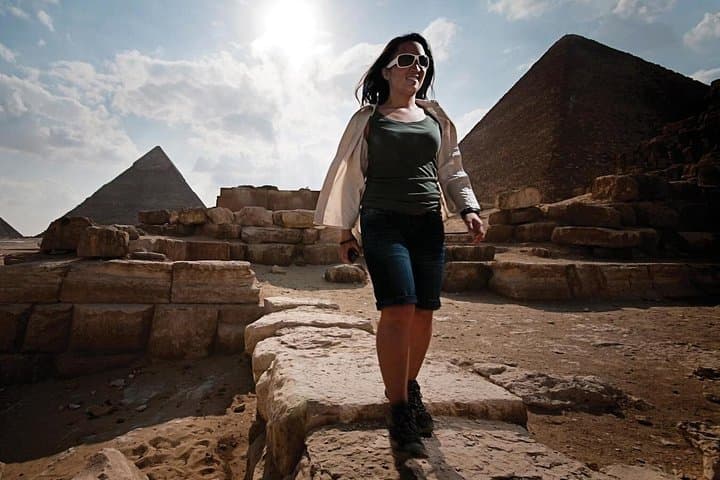
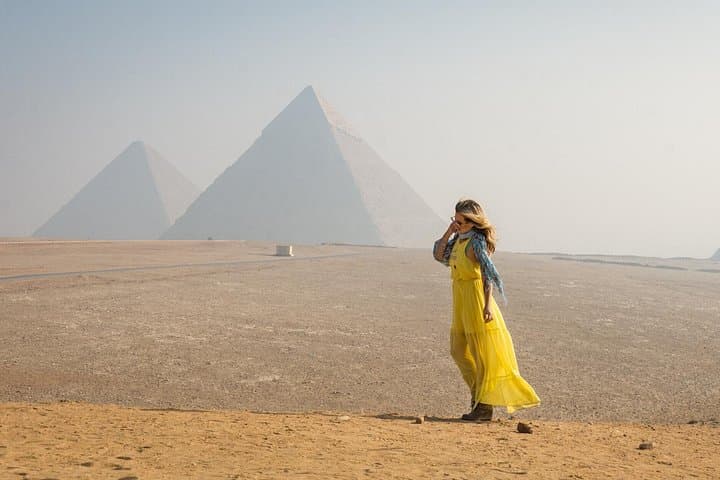
Day two drops you onto the Giza Plateau, where limestone giants and the Sphinx watch the city’s churn from an ancient quiet. The National Museum follows — halls of gilded coffins and Tutankhamun’s small, hard stare that compresses millennia into a teachable moment.
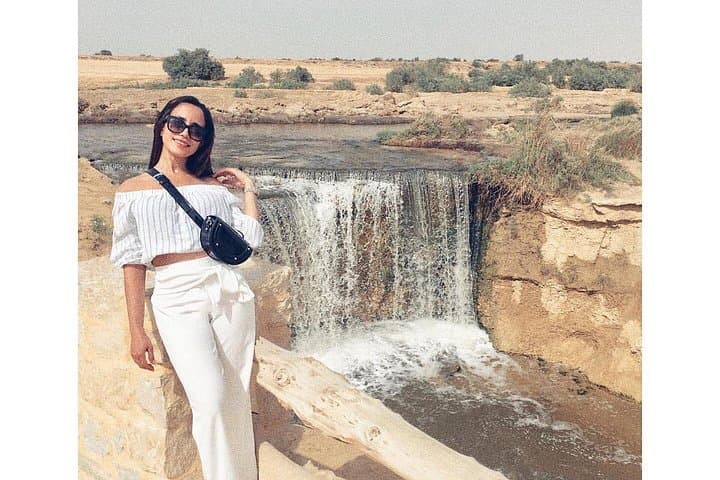
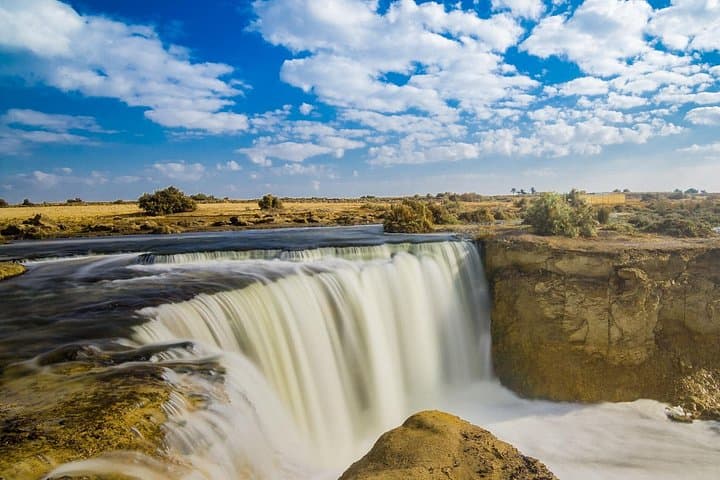
By day three the itinerary shifts from archaeology to geology and rural life. Fayoum’s Lake Qarun and the Roman ruins at Dimet al-Sabba show how the basin’s salt lakes and fan-shaped deposits shaped settlements for thousands of years. Wadi Rayan National Park presents a different geology: stepped escarpments, limestone shelves and seasonal waterfalls carved where runoff meets the depression. The upper and lower lakes host migratory birds and reed-lined margins where locals fish and farm.
Practical edge: the tour moves at a steady pace with air-conditioned transfers and a four-wheel-drive run into Wadi Rayan. Expect dusty short hikes, uneven ruins, and sun-exposed viewpoints. Bring layered sun protection, plenty of water, and cash for local vendors. Timing matters — mornings and late afternoons are best for photography and cooler desert light. Respect sites by staying on paths and following your Egyptologist guide; souvenir stalls and small cafés offer chances to sample Fayoumi cuisine and support local vendors.
This mix of urban antiquity and raw desert terrain is ideal for travelers who want history, short explorations, and a taste of Egypt’s quieter landscapes.
moderate.
4 days.
Moderate fitness; able to walk on uneven ground, climb short stone steps, and tolerate heat for several hours.
Yes — this tour includes entrance fees for the listed attractions and an Egyptologist guide for site visits.
Visits involve moderate walking, short climbs at archaeological sites, and brief uneven desert hikes; not recommended for those with serious mobility or spinal issues.
The tour includes transfers in Cairo with meet-and-assist at the airport and escorted hotel transfers for arrival and departure.
Children can join but should be able to tolerate long drives, heat, and short walks; families should plan for shade and frequent water breaks.
Fayoum is one of Egypt’s oldest cultivated regions; its Roman and Pharaonic remains reflect centuries of settlement around a shifting lake basin.
Wadi Rayan’s wetlands are sensitive to water management and tourism; stick to marked paths, avoid disturbing bird habitats, and minimize plastic waste.
Oman Day Tours operates guided outdoor trips and adventures with an emphasis on safety, stewardship, and memorable experiences.
You step out of Cairo’s humid traffic into a horizon that suddenly makes space for itself: the desert opens like a slow exhale, dunes pitching shadows while a distant waterfall in Wadi Rayan dares you to close the distance.
You step out of Cairo’s humid traffic into a horizon that suddenly makes space for itself: the desert opens like a slow exhale, dunes pitching shadows while a distant waterfall in Wadi Rayan dares you to close the distance.
Day two drops you onto the Giza Plateau, where limestone giants and the Sphinx watch the city’s churn from an ancient quiet. The National Museum follows — halls of gilded coffins and Tutankhamun’s small, hard stare that compresses millennia into a teachable moment.
By day three the itinerary shifts from archaeology to geology and rural life. Fayoum’s Lake Qarun and the Roman ruins at Dimet al-Sabba show how the basin’s salt lakes and fan-shaped deposits shaped settlements for thousands of years. Wadi Rayan National Park presents a different geology: stepped escarpments, limestone shelves and seasonal waterfalls carved where runoff meets the depression. The upper and lower lakes host migratory birds and reed-lined margins where locals fish and farm.
Practical edge: the tour moves at a steady pace with air-conditioned transfers and a four-wheel-drive run into Wadi Rayan. Expect dusty short hikes, uneven ruins, and sun-exposed viewpoints. Bring layered sun protection, plenty of water, and cash for local vendors. Timing matters — mornings and late afternoons are best for photography and cooler desert light. Respect sites by staying on paths and following your Egyptologist guide; souvenir stalls and small cafés offer chances to sample Fayoumi cuisine and support local vendors.
This mix of urban antiquity and raw desert terrain is ideal for travelers who want history, short explorations, and a taste of Egypt’s quieter landscapes.