THE ADVENTURE COLLECTIVE® · Independent discovery and booking for outdoor travel

Spend a full day exploring El Fayoum’s unusual contrasts: salt lakes, desert waterfalls and ancient whale fossils. This guided 10‑hour tour blends geology and easy adventure with short 4x4 rides and sandboarding on sweeping dunes.
Spend a full day exploring El Fayoum’s unusual contrasts: salt lakes, desert waterfalls and ancient whale fossils. This guided 10‑hour tour blends geology and easy adventure with short 4x4 rides and sandboarding on sweeping dunes.
You leave Cairo before dawn and the city’s noise thins into a flat, ochre horizon. The highway pushes you toward Faiyum; olive-gray salt flats and sculpted dunes slide past the window as your guide outlines the day.
Verified experiences and guided adventures in the surrounding area.
Operated by Egyptian Daily Tours · Faiyum, Faiyum Governorate
You leave Cairo before dawn and the city’s noise thins into a flat, ochre horizon. The highway pushes you toward Faiyum; olive-gray salt flats and sculpted dunes slide past the window as your guide outlines the day.
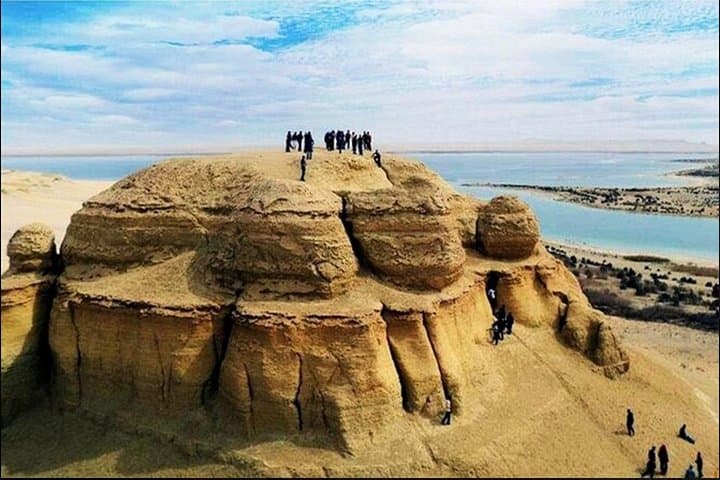
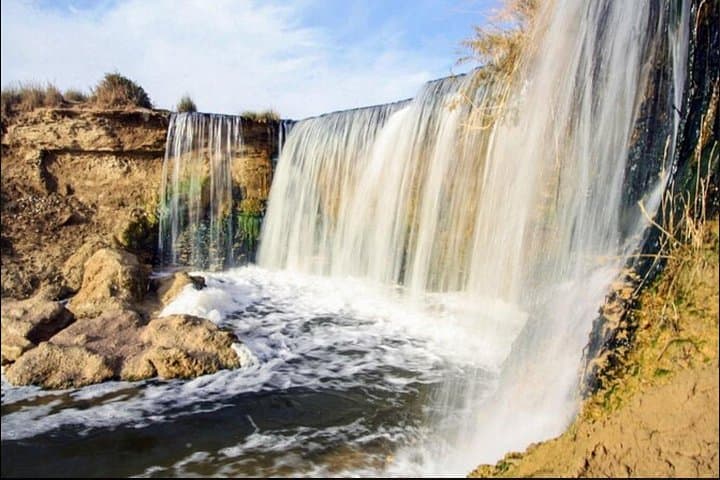
El Fayoum is an inland oasis carved by the Nile’s ancient courses. Qarun Lake—one of Egypt’s oldest natural lakes—sits like an inland sea, its shallow margins dotted with reed beds and migratory birds. Wadi El Rayan’s tiered waterfalls are unexpected waterfalls in a desert setting, water daring the dunes to keep moving. Further west, Wadi Al-Hitan (Whales Valley) exposes fossilized skeletons of Archaeoceti: hard evidence of whales’ evolution from land to sea and a clear geological record of a prehistoric shoreline.
Culturally, Fayoum blends rural agricultural life with Bedouin and oasis traditions; Tunis Village’s simple pottery and waterfront viewpoints give a human scale to the landscape. The land here is low and mostly flat—expect negligible elevation gain and a day of short walks, fossil viewing, and sandboarding on dunes.
Practical notes: the full excursion runs about 10 hours with roughly an hour’s drive from Cairo to the Fayoum area; most transit is in air-conditioned vehicles and short 4x4 transfers. Wear closed shoes for fossil sites and sandboarding, carry sun protection and at least 1.5–2 liters of water, and bring a camera with extra batteries—the light across the lake and dunes is dramatic near midday and then again late afternoon. Respect protected signs at Wadi Al-Hitan and follow your guide on fragile fossil sites to minimize impact.
moderate.
10 hours.
Suitable for travelers in average fitness: able to walk short uneven sections, climb small dunes and stand for guided explanations.
Most sites on this itinerary include admissions; confirm at booking whether the Jeep safari or specific site permits are included or will require an extra fee.
Expect roughly a 1‑hour drive to the Fayoum region from central Cairo depending on traffic; the full tour is about 10 hours round-trip.
Yes—sandboarding is offered on gentle dunes with basic instruction; wear closed shoes and follow the guide’s safety tips.
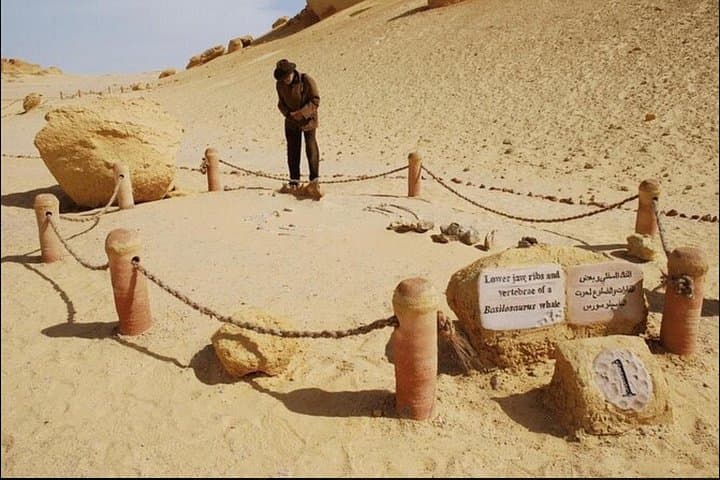
You can view fossils at designated zones, but touching or removing specimens is prohibited—guides will point out key displays and interpretive features.
Wadi Al‑Hitan preserves early whale fossils that document the evolution of cetaceans from land‑based mammals to fully aquatic forms; the Faiyum basin has supported agriculture and settlement since Pharaonic times.
Wadi Al‑Hitan is UNESCO‑protected—stay on paths and follow guides to reduce erosion and preserve fossils; minimize plastic and pack out waste.
Egyptian Daily Tours operates guided outdoor trips and adventures with an emphasis on safety, stewardship, and memorable experiences.
You leave Cairo before dawn and the city’s noise thins into a flat, ochre horizon. The highway pushes you toward Faiyum; olive-gray salt flats and sculpted dunes slide past the window as your guide outlines the day.
You leave Cairo before dawn and the city’s noise thins into a flat, ochre horizon. The highway pushes you toward Faiyum; olive-gray salt flats and sculpted dunes slide past the window as your guide outlines the day.
El Fayoum is an inland oasis carved by the Nile’s ancient courses. Qarun Lake—one of Egypt’s oldest natural lakes—sits like an inland sea, its shallow margins dotted with reed beds and migratory birds. Wadi El Rayan’s tiered waterfalls are unexpected waterfalls in a desert setting, water daring the dunes to keep moving. Further west, Wadi Al-Hitan (Whales Valley) exposes fossilized skeletons of Archaeoceti: hard evidence of whales’ evolution from land to sea and a clear geological record of a prehistoric shoreline.
Culturally, Fayoum blends rural agricultural life with Bedouin and oasis traditions; Tunis Village’s simple pottery and waterfront viewpoints give a human scale to the landscape. The land here is low and mostly flat—expect negligible elevation gain and a day of short walks, fossil viewing, and sandboarding on dunes.
Practical notes: the full excursion runs about 10 hours with roughly an hour’s drive from Cairo to the Fayoum area; most transit is in air-conditioned vehicles and short 4x4 transfers. Wear closed shoes for fossil sites and sandboarding, carry sun protection and at least 1.5–2 liters of water, and bring a camera with extra batteries—the light across the lake and dunes is dramatic near midday and then again late afternoon. Respect protected signs at Wadi Al-Hitan and follow your guide on fragile fossil sites to minimize impact.