THE ADVENTURE COLLECTIVE® · Independent discovery and booking for outdoor travel

From the Giza plateau’s pyramids to Siwa’s salt lakes and springs, this private seven-day tour pairs Egypt’s archaeological highlights with remote desert adventure. Expect long road transfers, changing terrain, and unforgettable sunsets over the Great Sand Sea.
From the Giza plateau’s pyramids to Siwa’s salt lakes and springs, this private seven-day tour pairs Egypt’s archaeological highlights with remote desert adventure. Expect long road transfers, changing terrain, and unforgettable sunsets over the Great Sand Sea.
You step off the plane into Cairo’s dust-warmed air, the city’s noise folding around you like a busy river. Within hours you’ll trade traffic-clotted streets and the Giza plateau’s stone geometry for a different kind of vast—Siwa’s pale salt flats, dunescapes that push and reshape with every wind, and pockets of palm shade where springs rise like surprise conversations.
Verified experiences and guided adventures in the surrounding area.
Operated by True Egypt - Day Tours · Cairo, Cairo Governorate
You step off the plane into Cairo’s dust-warmed air, the city’s noise folding around you like a busy river. Within hours you’ll trade traffic-clotted streets and the Giza plateau’s stone geometry for a different kind of vast—Siwa’s pale salt flats, dunescapes that push and reshape with every wind, and pockets of palm shade where springs rise like surprise conversations.
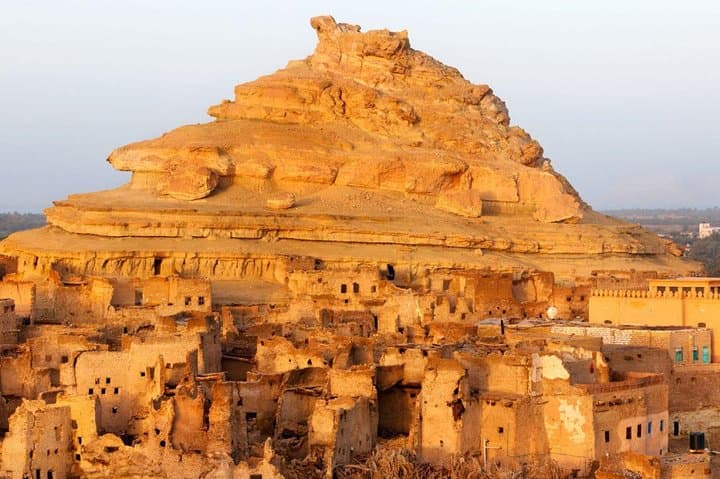
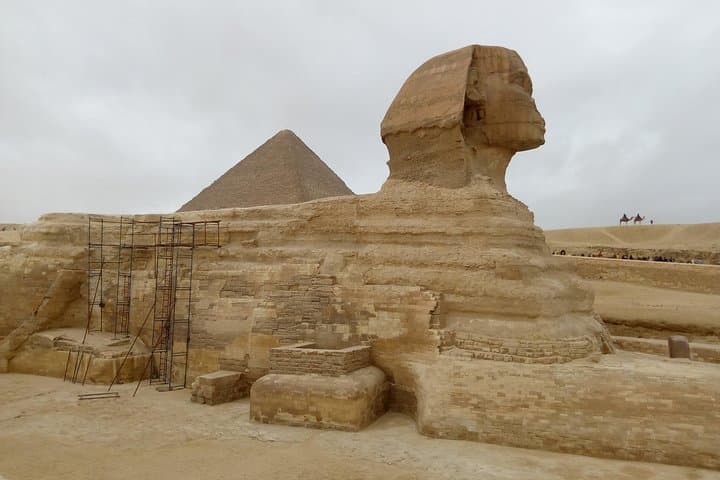
This seven-day private tour threads pharaonic history with wartime memory and Sahara geology. In Cairo, the Great Pyramid and Egyptian Museum anchor millennia of empire: carved stone, funerary art, and the Tutankhamun collection. Westward, Al Alamein’s cemeteries and its second‑world‑war museum mark modern history on a Mediterranean margin. Siwa itself is a geological and cultural island — a depression ringed by escarpments, salt lakes that crystallize into bright plains, freshwater springs (Cleopatra’s Spring among them), and the Mountain of the Dead, where Greco‑Roman and Late Period tombs look over date palms.
Practical edge: expect long desert transfers (road crossings can be 8–10 hours depending on route and stops), private transport, and mixed terrain — paved roads, gravel tracks, loose sand and short rocky climbs. Bring sun protection, a refillable water bottle, sturdy shoes for walking over dunes and archaeological sites, and a layer for cool desert nights. Time your photography for sunrise and sunset at Fatnas peninsula or the salt flats. Respect local Siwan customs, conserve water at springs, and plan for moderate physical activity with plenty of rest between drives.
moderate.
6–7 days.
Suitable for travelers in average fitness: requires walking on uneven ground and tolerance for long vehicle transfers.
By road the transfer is long and can take roughly 8–10 hours depending on route and stops (Al Alamein/Matrouh stops are common); some itineraries use internal flights or split the drive with overnight stops.
Yes—accommodations and transportation are private and family-friendly, but prepare for lengthy transfers and plan breaks for younger travelers.
Pack comfortable, modest clothing, closed-toe shoes, sun protection, and a small daypack for water and camera gear; follow guide instructions at protected sites.
Popular springs like Cleopatra’s are used for swimming and known for warm, clear water, but follow local guidance about depth, hygiene, and site etiquette.
Siwa was home to the Oracle of Amun visited by Alexander the Great; Cairo and Al Alamein layer ancient pharaonic and modern wartime histories within short geographic spans.
Siwa’s fragile springs and salt pans are vulnerable to overuse—minimize water consumption, avoid littering, and support local businesses that practice sustainable tourism.
True Egypt - Day Tours operates guided outdoor trips and adventures with an emphasis on safety, stewardship, and memorable experiences.
You step off the plane into Cairo’s dust-warmed air, the city’s noise folding around you like a busy river. Within hours you’ll trade traffic-clotted streets and the Giza plateau’s stone geometry for a different kind of vast—Siwa’s pale salt flats, dunescapes that push and reshape with every wind, and pockets of palm shade where springs rise like surprise conversations.
You step off the plane into Cairo’s dust-warmed air, the city’s noise folding around you like a busy river. Within hours you’ll trade traffic-clotted streets and the Giza plateau’s stone geometry for a different kind of vast—Siwa’s pale salt flats, dunescapes that push and reshape with every wind, and pockets of palm shade where springs rise like surprise conversations.
This seven-day private tour threads pharaonic history with wartime memory and Sahara geology. In Cairo, the Great Pyramid and Egyptian Museum anchor millennia of empire: carved stone, funerary art, and the Tutankhamun collection. Westward, Al Alamein’s cemeteries and its second‑world‑war museum mark modern history on a Mediterranean margin. Siwa itself is a geological and cultural island — a depression ringed by escarpments, salt lakes that crystallize into bright plains, freshwater springs (Cleopatra’s Spring among them), and the Mountain of the Dead, where Greco‑Roman and Late Period tombs look over date palms.
Practical edge: expect long desert transfers (road crossings can be 8–10 hours depending on route and stops), private transport, and mixed terrain — paved roads, gravel tracks, loose sand and short rocky climbs. Bring sun protection, a refillable water bottle, sturdy shoes for walking over dunes and archaeological sites, and a layer for cool desert nights. Time your photography for sunrise and sunset at Fatnas peninsula or the salt flats. Respect local Siwan customs, conserve water at springs, and plan for moderate physical activity with plenty of rest between drives.