THE ADVENTURE COLLECTIVE® · Independent discovery and booking for outdoor travel

Travel from Cairo into the hollow of Siwa on a private three-day journey that pairs archaeology, hot springs, and sand dunes. Expect long desert drives, ancient temples, salt lakes and a sample of living Siwan culture.
Travel from Cairo into the hollow of Siwa on a private three-day journey that pairs archaeology, hot springs, and sand dunes. Expect long desert drives, ancient temples, salt lakes and a sample of living Siwan culture.
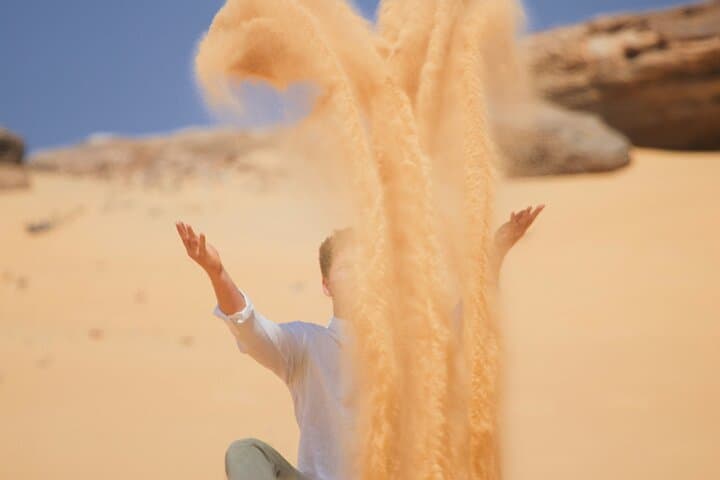
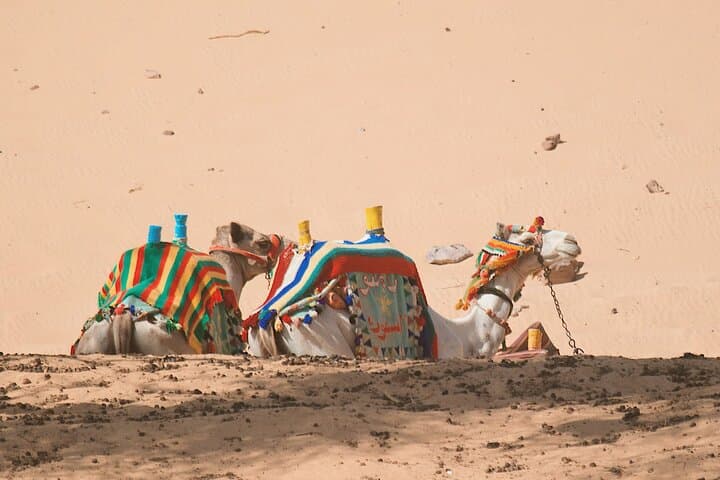
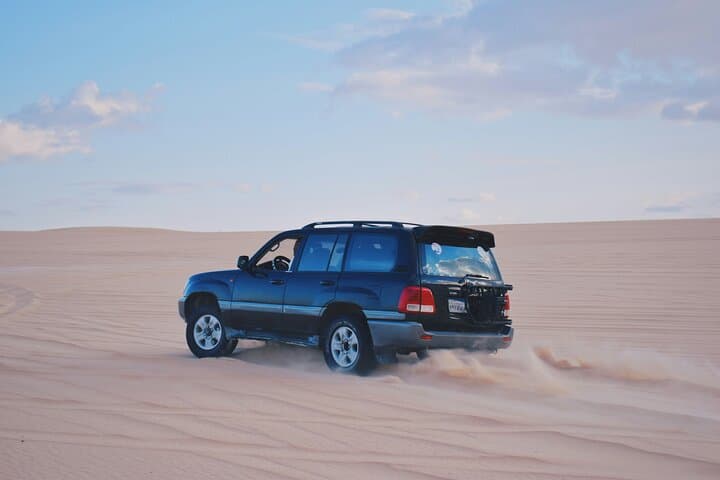
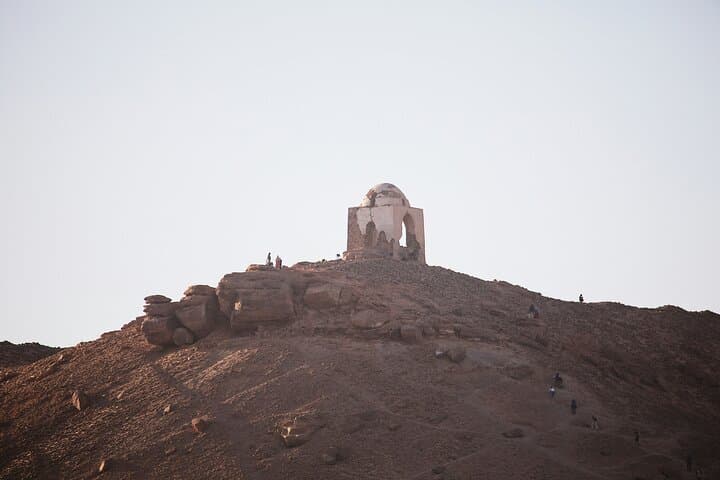
A low sun slices across the Western Desert as your private limousine leaves Cairo behind, the Nile’s green giving way to a sand palette that stretches to the horizon. By late afternoon you cross into the hollow of Siwa—about 17 meters below sea level—where salt flats mirror the sky and dunes push the wind into sharp, mobile ridgelines. Shali Fortress perches like a relic of time; its crumbling kershef walls catch the sunset in bronze.
Verified experiences and guided adventures in the surrounding area.
Operated by Fifth Pillar Tours · Siwa, Matrouh Governorate
A low sun slices across the Western Desert as your private limousine leaves Cairo behind, the Nile’s green giving way to a sand palette that stretches to the horizon. By late afternoon you cross into the hollow of Siwa—about 17 meters below sea level—where salt flats mirror the sky and dunes push the wind into sharp, mobile ridgelines. Shali Fortress perches like a relic of time; its crumbling kershef walls catch the sunset in bronze.
Siwa’s stones tell layered stories: the Amoun (Amun) Temple dates to Egypt’s 30th Dynasty and the Oracle here once drew Alexander the Great, who sought confirmation of his divine rank. Geologically the oasis survives on groundwater fed by distant rains and perched aquifers; salt lakes are the visible edges of that fragile system. Siwan culture blends Amazigh (Berber) language, oral crafts, and olive cultivation—markets still trade silver filigree and woven baskets.
Practical guidance: the loop from Cairo includes stops at Al Alamein WWII museum and a lunch in Marsa Matrouh; expect a long drive (roughly 8–10 hours with stops) each road day. Wear sun-protective clothing, sturdy closed-toe shoes for dunes and ruins, and bring a refillable water bottle—the springs are safe but limited. Modest dress is respectful in town; ask before photographing people. Sandboarding and short dune hikes are moderate and require basic balance; hotels and a Bedouin dinner are included on the itinerary. Best travel months are October–April when daytime heat is manageable. Leave no trace: the oasis depends on limited freshwater—plan to minimize plastic and water waste while enjoying one of Egypt’s most remote, living desert landscapes.
easy.
3 days.
Suitable for travelers in average physical condition; requires ability to walk short distances on uneven ground and get in/out of vehicles.
Expect roughly 8–10 hours by road with scheduled stops (Al Alamein, Marsa Matrouh); the itinerary spaces the travel across a full day.
Yes—entrance fees to listed sites and 4-star hotel accommodation, plus two lunches and specified meals, are included in the itinerary.
The tour is listed as suitable for all fitness levels but involves long vehicle transfers and short walks on uneven terrain; travelers with mobility limitations should check specifics with the operator.
Autumn through spring (October–April) offers cooler, more comfortable daytime temperatures; summers are hot and can be taxing for prolonged outdoor activity.
Siwa’s Amun oracle was a notable ancient pilgrimage site; Alexander the Great reportedly consulted the oracle during his campaigns.
Siwa relies on shallow aquifers and seasonal rainfall; visitors should minimize water use, avoid disturbing springs and support local sustainable craft sellers.
Fifth Pillar Tours operates guided outdoor trips and adventures with an emphasis on safety, stewardship, and memorable experiences.
A low sun slices across the Western Desert as your private limousine leaves Cairo behind, the Nile’s green giving way to a sand palette that stretches to the horizon. By late afternoon you cross into the hollow of Siwa—about 17 meters below sea level—where salt flats mirror the sky and dunes push the wind into sharp, mobile ridgelines. Shali Fortress perches like a relic of time; its crumbling kershef walls catch the sunset in bronze.
A low sun slices across the Western Desert as your private limousine leaves Cairo behind, the Nile’s green giving way to a sand palette that stretches to the horizon. By late afternoon you cross into the hollow of Siwa—about 17 meters below sea level—where salt flats mirror the sky and dunes push the wind into sharp, mobile ridgelines. Shali Fortress perches like a relic of time; its crumbling kershef walls catch the sunset in bronze.
Siwa’s stones tell layered stories: the Amoun (Amun) Temple dates to Egypt’s 30th Dynasty and the Oracle here once drew Alexander the Great, who sought confirmation of his divine rank. Geologically the oasis survives on groundwater fed by distant rains and perched aquifers; salt lakes are the visible edges of that fragile system. Siwan culture blends Amazigh (Berber) language, oral crafts, and olive cultivation—markets still trade silver filigree and woven baskets.
Practical guidance: the loop from Cairo includes stops at Al Alamein WWII museum and a lunch in Marsa Matrouh; expect a long drive (roughly 8–10 hours with stops) each road day. Wear sun-protective clothing, sturdy closed-toe shoes for dunes and ruins, and bring a refillable water bottle—the springs are safe but limited. Modest dress is respectful in town; ask before photographing people. Sandboarding and short dune hikes are moderate and require basic balance; hotels and a Bedouin dinner are included on the itinerary. Best travel months are October–April when daytime heat is manageable. Leave no trace: the oasis depends on limited freshwater—plan to minimize plastic and water waste while enjoying one of Egypt’s most remote, living desert landscapes.