THE ADVENTURE COLLECTIVE® · Independent discovery and booking for outdoor travel

A long, full-day journey from Cairo to Luxor that concentrates pharaonic Egypt into a single, unforgettable itinerary—Karnak’s columns, the royal tombs of the Valley of the Kings and Hatshepsut’s cliff temple. Practical guidance on what to expect and how to prepare for a demanding but accessible cultural day trip.
A long, full-day journey from Cairo to Luxor that concentrates pharaonic Egypt into a single, unforgettable itinerary—Karnak’s columns, the royal tombs of the Valley of the Kings and Hatshepsut’s cliff temple. Practical guidance on what to expect and how to prepare for a demanding but accessible cultural day trip.
You leave Cairo before sunrise and, after a long ride, arrive where the Nile opens and the city of Thebes once reigned. Palm-lined fields give way to sand and limestone scarps; Karnak’s avenue of broken sphinxes rises like a row of patient giants, and the West Bank cliffs hold tunnels that have kept their secrets for millennia.
Verified experiences and guided adventures in the surrounding area.
Operated by Egyptra Tours · Luxor, Luxor Governorate
You leave Cairo before sunrise and, after a long ride, arrive where the Nile opens and the city of Thebes once reigned. Palm-lined fields give way to sand and limestone scarps; Karnak’s avenue of broken sphinxes rises like a row of patient giants, and the West Bank cliffs hold tunnels that have kept their secrets for millennia.
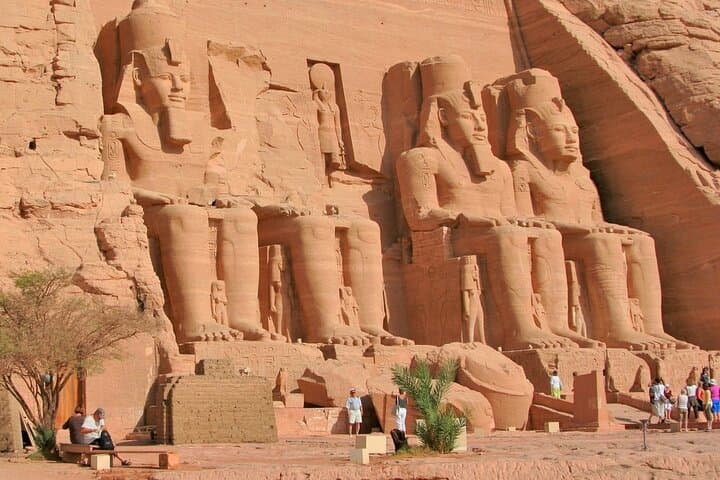
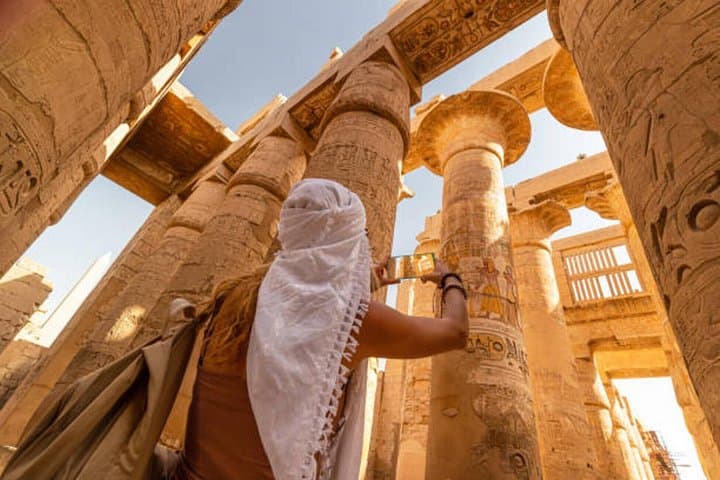
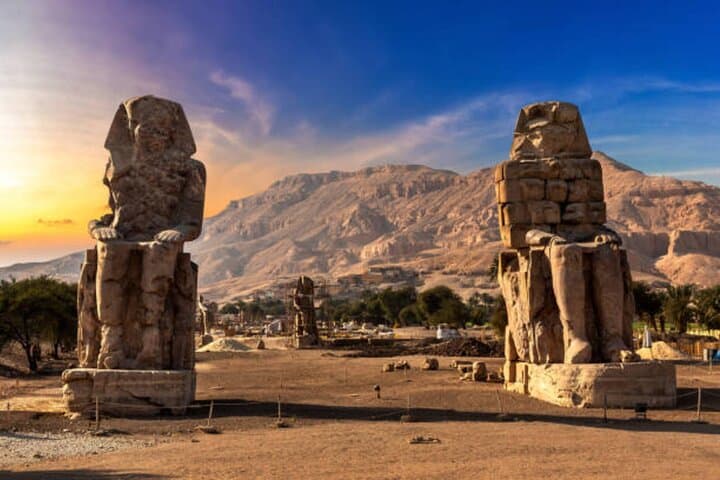
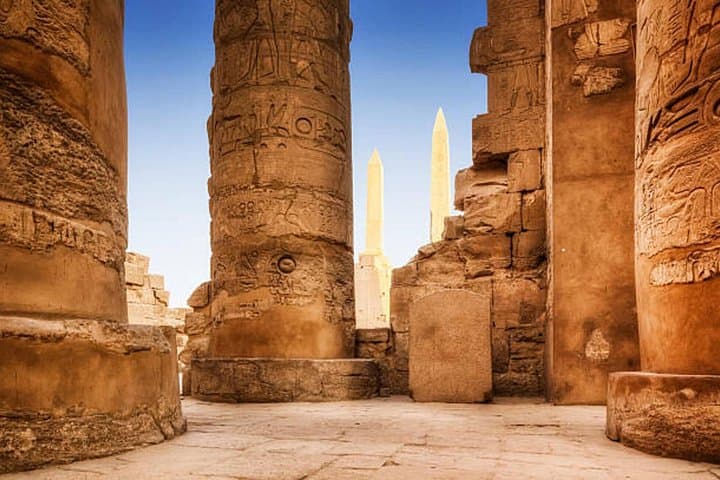
This is the landscape of pharaonic power: Karnak, the largest temple complex in the ancient world; the Valley of the Kings, where royal tombs are cut into the geomorphic bench of the Nile floodplain; Hatshepsut’s mortuary temple, carved into a stratified limestone cliff; and the Colossi of Memnon, two colossal statues worn by wind and time. Local markets and alabaster workshops tie contemporary life to ancient craft—stone, paint and prayer continuing across generations.
Expect a day of steady walking on uneven stone, stairs and short climbs between sites. An Egyptologist guide narrates inscriptions and iconography, while timed tomb entries manage fragile interiors. Photography and touching walls are restricted in many tombs; follow guides and signage. Lunch is typically at a nearby restaurant; optional short Nile cruises to Banana Island are available as an easy cap to the day.
Practical notes: wear sturdy walking shoes, sun protection and carry at least 1–2 liters of water. Travel light, keep passport copies handy for permits, and budget time for heat and crowds—early or late-season travel softens midday temperatures. Respect local customs and the strict conservation rules inside tombs: look, but don’t touch.
easy.
12–13 hours.
Suitable for most fitness levels; requires ability to walk on uneven surfaces for several hours.
The itinerary indicates access to royal tombs including Tutankhamun; keep in mind Egyptian authorities sometimes rotate public access and the guide will confirm which tombs are open that day.
The full-day program runs about 12–13 hours door-to-door, reflecting the long transfer; departures are early to fit multiple sites in one day.
Some sites have ramps or level sections but many tombs require stairs and uneven footing; travelers with limited mobility should check specifics with the operator before booking.
Lunch is included; inform the operator of dietary restrictions during booking so they can arrange suitable options when possible.
Luxor occupies the site of ancient Thebes, a political and religious capital of Egypt where pharaohs built monumental temples and royal tombs across the New Kingdom.
Tomb interiors are vulnerable to humidity, light and touch; follow site rules, avoid flash photography and support local conservation fees and guides who help protect fragile sites.
Egyptra Tours operates guided outdoor trips and adventures with an emphasis on safety, stewardship, and memorable experiences.
You leave Cairo before sunrise and, after a long ride, arrive where the Nile opens and the city of Thebes once reigned. Palm-lined fields give way to sand and limestone scarps; Karnak’s avenue of broken sphinxes rises like a row of patient giants, and the West Bank cliffs hold tunnels that have kept their secrets for millennia.
You leave Cairo before sunrise and, after a long ride, arrive where the Nile opens and the city of Thebes once reigned. Palm-lined fields give way to sand and limestone scarps; Karnak’s avenue of broken sphinxes rises like a row of patient giants, and the West Bank cliffs hold tunnels that have kept their secrets for millennia.
This is the landscape of pharaonic power: Karnak, the largest temple complex in the ancient world; the Valley of the Kings, where royal tombs are cut into the geomorphic bench of the Nile floodplain; Hatshepsut’s mortuary temple, carved into a stratified limestone cliff; and the Colossi of Memnon, two colossal statues worn by wind and time. Local markets and alabaster workshops tie contemporary life to ancient craft—stone, paint and prayer continuing across generations.
Expect a day of steady walking on uneven stone, stairs and short climbs between sites. An Egyptologist guide narrates inscriptions and iconography, while timed tomb entries manage fragile interiors. Photography and touching walls are restricted in many tombs; follow guides and signage. Lunch is typically at a nearby restaurant; optional short Nile cruises to Banana Island are available as an easy cap to the day.
Practical notes: wear sturdy walking shoes, sun protection and carry at least 1–2 liters of water. Travel light, keep passport copies handy for permits, and budget time for heat and crowds—early or late-season travel softens midday temperatures. Respect local customs and the strict conservation rules inside tombs: look, but don’t touch.